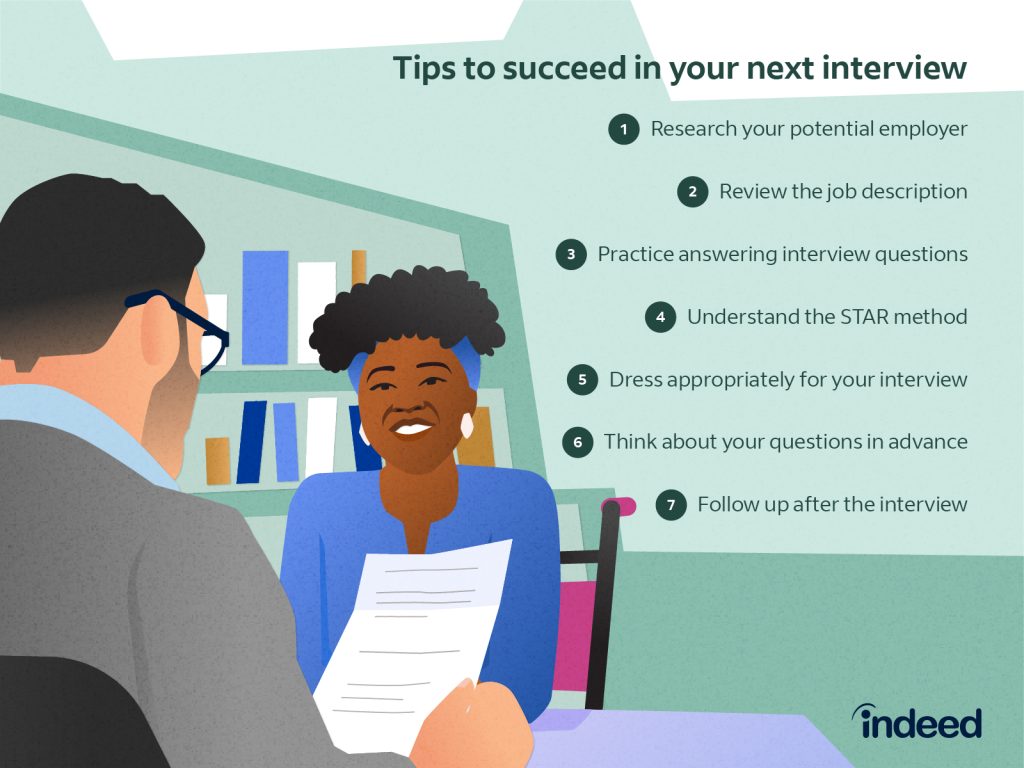

Job interviews are one of the most pivotal moments in a student’s career journey. Whether you’re stepping into the workforce for the first time or aiming for a more advanced role, preparing for a job interview is essential to showcasing your skills and securing your desired job. This guide will provide you with the necessary tips, techniques, and strategies to ace your job interview and boost your confidence.
1. Understand the Job Description
The first step to preparing for a job interview is thoroughly understanding the job description. Many candidates make the mistake of not fully grasping what the job entails, which leads to confusion during the interview. Make sure to:
- Carefully read the job description: Identify key responsibilities, qualifications, and the required skill set. Highlight the skills you possess and think about how your experiences align with the job’s expectations.
- Identify key competencies: Employers often look for specific traits in candidates such as problem-solving abilities, communication skills, and leadership qualities. Make sure you understand what the company values most and how you fit into their culture.
- Research the company: Understanding the company’s mission, values, and products will help you demonstrate genuine interest in the organization. Visit their website, read their blog, and follow them on social media to get a comprehensive understanding of what they do.
2. Research Common Interview Questions
Job interview questions often follow a predictable pattern. By practicing your responses to commonly asked questions, you can reduce the anxiety associated with unexpected queries. Some of the most frequently asked questions include:
- Tell me about yourself: This is often the icebreaker in an interview. Your answer should briefly cover your educational background, relevant work experience, and why you’re interested in the position.
- Why should we hire you?: This is your opportunity to shine. Highlight your skills, achievements, and experiences that make you the ideal candidate for the role.
- What are your strengths and weaknesses?: Be honest and reflective when answering this question. Talk about a strength that directly benefits the position you’re applying for, and discuss a weakness you’re actively working on improving.
- Why do you want to work here?: This question tests your knowledge of the company. Discuss how the company’s values align with your own and why you’re excited about the position.
- Where do you see yourself in five years?: Employers like to know if you’re committed to growing with the company. While you don’t need to have a concrete plan, demonstrate that you’re interested in personal and professional development.
By practicing your answers to these common questions, you’ll build confidence and ensure your responses are clear and concise.
3. Prepare Your STAR Stories
Many interviewers use behavioral interview techniques to assess how candidates handle different situations. The STAR method (Situation, Task, Action, Result) is a great tool for structuring your answers to behavioral questions.
- Situation: Describe a situation or challenge you faced in a past job, internship, or academic setting.
- Task: Explain what your role was and the objectives you had to accomplish.
- Action: Detail the steps you took to resolve the issue or achieve the objective.
- Result: Share the outcomes of your actions, including any positive results or lessons learned.
Prepare at least three STAR stories that highlight your key skills such as teamwork, leadership, problem-solving, and communication. For example, if you’re asked about a time when you worked in a team, your STAR story might describe a group project where you contributed to solving a specific challenge and how the team succeeded because of your collaboration.
4. Dress for Success
First impressions matter, and your appearance plays a significant role in how you’re perceived during an interview. While it’s essential to dress professionally, you should also consider the industry and company culture. For instance, if you’re applying for a creative role in a startup, you might have more flexibility in your attire, but a corporate environment might call for more traditional business attire.
Some general guidelines for dressing for an interview include:
- Keep it professional: Choose clothing that is neat, clean, and well-fitting. Avoid flashy accessories or overly casual attire like jeans or sneakers, unless you’re sure that casual is appropriate for the company.
- Research the company’s dress code: Companies vary in their dress expectations. Look at photos of employees on the company’s website or social media to get a sense of the workplace dress culture.
- Groom yourself appropriately: Make sure your hair is tidy, your nails are clean, and your shoes are polished. Small details matter.
5. Prepare Questions for the Interviewer
At the end of most interviews, candidates are asked if they have any questions for the interviewer. This is your chance to demonstrate your interest in the position and the company. It’s crucial to have thoughtful questions prepared, as it shows you’ve done your research and are genuinely engaged in the conversation. Some questions you can ask include:
- What does a typical day look like for someone in this role?
- How do you evaluate success in this position?
- What opportunities are there for professional development and growth within the company?
- What is the company culture like?
- What are the next steps in the interview process?
Asking questions not only gives you valuable insight into the company but also shows that you’re serious about the opportunity.
6. Practice, Practice, Practice
There’s no substitute for practice when it comes to preparing for a job interview. The more you practice, the more confident and prepared you’ll feel. Some ways to practice include:
- Mock interviews: Have a friend, family member, or mentor conduct a mock interview with you. This will allow you to simulate the interview environment and practice your responses in real-time.
- Video yourself: Record your answers to common interview questions and watch the footage. Pay attention to your body language, tone of voice, and how you phrase your answers. You can adjust and improve after reviewing your performance.
- Use interview preparation platforms: Some websites and platforms allow you to practice job interviews online. These platforms often provide feedback on your answers, which can help you refine your responses.
7. Rehearse Your Elevator Pitch
An elevator pitch is a brief, compelling introduction to who you are, what you’ve done, and why you’re interested in the job. You should be able to deliver your elevator pitch in 30 to 60 seconds, which makes it an essential tool for interviews.
Your elevator pitch should include:
- Who you are: Your name, academic background, and relevant work experience.
- What you’ve accomplished: A brief mention of a key achievement that relates to the job you’re applying for.
- What you’re seeking: A statement about why you’re interested in the position and how your skills align with the company’s needs.
8. Manage Your Body Language
Non-verbal communication plays a significant role in how you’re perceived during an interview. Your body language can either enhance or detract from the message you’re trying to convey. Some body language tips include:
- Maintain good posture: Sit up straight with your shoulders back. This conveys confidence and professionalism.
- Make eye contact: Look the interviewer in the eye when speaking, but don’t stare. This shows attentiveness and respect.
- Avoid fidgeting: Fidgeting or excessive hand movements can make you appear nervous or disengaged. Try to keep your hands still and focused.
- Smile: Smiling naturally can help create a positive and friendly atmosphere.
9. Plan Your Travel and Logistics
Ensure that you arrive at the interview on time. Aim to arrive at least 10-15 minutes early to avoid any unforeseen delays. Here are some logistics tips:
- Know the location: Double-check the location of the interview, whether it’s in person or virtual. For in-person interviews, plan your route in advance.
- Prepare your documents: Bring extra copies of your resume, cover letter, references, and any other documents the employer may require.
- Test virtual platforms: If your interview is online, test the platform (Zoom, Skype, etc.) ahead of time to avoid technical glitches.
10. Follow Up After the Interview
After the interview, it’s important to send a thank-you note to express your gratitude for the opportunity. This is a simple but effective way to leave a lasting positive impression.
- Send a thank-you email: Within 24 hours, send a polite thank-you email to the interviewer. Express your appreciation for their time, reiterate your interest in the position, and mention a key point discussed during the interview to reinforce your qualifications.
- Be professional and concise: Keep the email short, polite, and professional. Avoid sounding overly casual or making excuses for anything that went wrong during the interview.
Conclusion
Preparing for a job interview is a process that requires time, effort, and a strategic approach. By understanding the job description, researching common interview questions, preparing STAR stories, dressing professionally, practicing your responses, and managing your body language, you’ll set yourself up for success. Most importantly, practice and confidence are key—preparation will empower you to face the interview with poise and show the employer that you’re the best fit for the role.
With these steps, you’re ready to ace your interview and take a major step toward landing your dream job.