
By Study Rhino
French is often referred to as the language of love, culture, and diplomacy. But for English speakers and learners around the world, mastering French pronunciation can feel like unlocking a secret code. Silent letters, nasal sounds, and liaisons between words can confuse even the most dedicated students.
At Study Rhino, we believe that clear pronunciation is the key to confidence in any language. In this guide, we’ll walk you through practical steps, proven tips, and simple techniques to help you master French pronunciation and sound more like a native speaker—without needing to live in Paris!
Why French Pronunciation Can Be Tricky
French pronunciation differs from English in many ways:
- Many letters are silent, especially at the end of words.
- French includes nasal sounds, which don’t exist in English.
- Vowels can change meaning with even a small change in sound.
- Liaisons (linking final consonants to the beginning of the next word) can confuse learners.
- Words often look different from how they sound.
But the good news? With regular practice and focused strategies, anyone can speak French clearly and naturally.
1. Understand the French Alphabet & Sounds
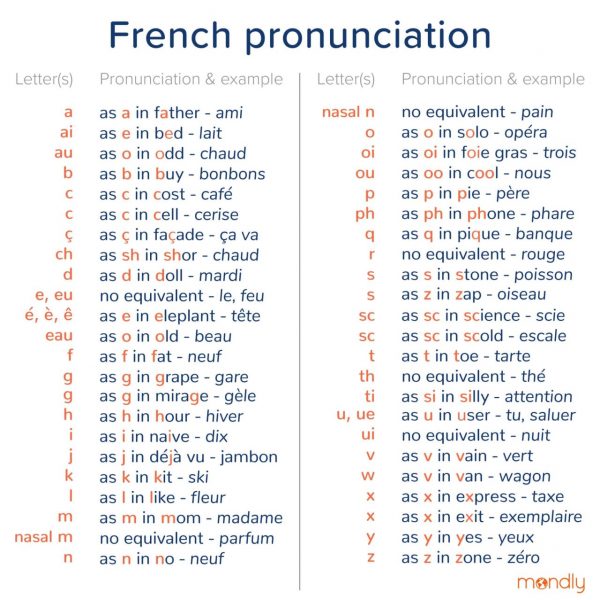
The first step is to familiarize yourself with French phonetics. While the French alphabet has the same 26 letters as English, many letters are pronounced differently.
French Vowel Sounds:
French has 16 vowel sounds. Here are a few essentials:
- A – like ah in “father”
- E – multiple sounds, but often like uh or ay
- I – like ee in “see”
- O – more closed than in English, like oh
- U – unique sound made by rounding the lips (not found in English)
Tip: Use a mirror to watch your mouth shape while practicing. French requires more precise lip movement than English.
2. Learn the French Nasal Vowels
French has four major nasal vowels that give the language its distinctive tone:
- an / am / en / em → pronounced like ah~
- on / om → pronounced like oh~
- in / im / ain / ein → pronounced like eh~
- un / um → pronounced like uh~
These sounds are made by letting air escape through the nose and mouth at the same time. It takes some practice, but they’re essential to sounding natural in French.
Practice Tip:
Try saying the English word “song” and stop before finishing the ‘ng’ sound. That nasal tone is close to what French uses.
3. Watch Out for Silent Letters
In French, many consonants at the end of words are silent. For example:
- “Parler” (to speak) is pronounced par-LAY, not par-ler.
- “Petit” (small) is pronounced puh-TEE, not pet-it.
General Rule:
If a word ends in -e, -s, -t, -x, -d, it’s often silent. But there are exceptions—so listening practice is key.
4. Master Liaisons and Elisions
Liaisons:
French links some words together, which means a normally silent consonant is pronounced when the next word begins with a vowel.
Example:
- “Nous avons” → noo-zah-VOHN
- “Ils ont” → eel-ZOHN
Elisions:
When a vowel-ending word meets another word that starts with a vowel, French replaces one with an apostrophe.
Example:
- “Je aime” becomes “J’aime” → pronounced zhem
These are small changes, but they’re essential to smooth, natural speech.
5. Get the Rhythm and Intonation Right
French is a syllable-timed language, which means each syllable is pronounced with equal stress. This is different from English, where stress varies a lot.
In French:
- Every syllable matters: ba-na-ne (banana) is 3 equal beats
- The stress is usually on the last syllable of a word or phrase
Intonation Tip:
French questions often end in a rising tone, while statements fall at the end. Mimicking native speakers helps with this.
6. Listen to Native Speakers Daily
One of the best ways to improve pronunciation is listening regularly.
Here’s how:
- Watch French TV or movies (with subtitles at first)
- Listen to French music or podcasts while commuting
- Follow French YouTube channels or TikTok creators
- Repeat sentences aloud like a shadowing exercise
Shadowing means repeating what someone says immediately after hearing it, trying to match their tone, rhythm, and speed.
7. Use IPA (International Phonetic Alphabet)
The IPA system shows exactly how words should sound. French dictionaries often list the IPA pronunciation beside each word.
Example:
- chanson (song) = /ʃɑ̃sɔ̃/
- manger (to eat) = /mɑ̃ʒe/
Learning the symbols for common French sounds will boost your confidence, especially with reading and pronunciation.
8. Train Your Mouth with Tongue Twisters
Tongue twisters are fun and powerful tools to train your mouth muscles and pronunciation accuracy.
Try these:
- “Un chasseur sachant chasser sans son chien est un bon chasseur.”
(A hunter knowing how to hunt without his dog is a good hunter.) - “Ces six saucissons-ci sont si secs qu’on ne sait si c’en sont.”
(These six sausages are so dry we don’t know if they are sausages.)
Start slowly, then build up speed as you improve.
9. Record Yourself
Use your phone or computer to record yourself reading French out loud. Then:
- Compare it to a native speaker’s version.
- Note the differences.
- Practice and re-record.
This is a simple but effective way to hear what you’re doing right—and where you can improve.
10. Work with a Tutor or Language Exchange Partner
Nothing beats personal feedback. A French tutor can correct mistakes, show you better techniques, and explain pronunciation rules more clearly.
Or find a language exchange partner online who’s learning your language and speaks French. You help them with your native language, and they help you with French!
Great places to find partners:
- HelloTalk
- Tandem
- Speaky
- iTalki
11. Use French Pronunciation Tools
There are many free or affordable tools online to support your learning:
- com – Hear native speakers pronounce any French word
- Google Translate’s audio feature – Quick, accurate pronunciation
- LingQ – Read & listen at the same time
- Anki or Quizlet – Use flashcards with audio to drill sounds
12. Practice Daily (Even for 5 Minutes!)
Consistency is the key. Even 5–10 minutes a day can make a huge difference over time. Make pronunciation a small part of your daily routine:
- Speak French to yourself while cooking
- Read a French article aloud each day
- Say your to-do list or grocery list in French
- Narrate your day in simple French sentences
13. Be Patient—Don’t Aim for Perfection
Many learners hesitate to speak because they fear sounding “wrong.” But pronunciation improves only when you use it actively.
French people appreciate the effort, even if your accent isn’t perfect. What matters most is being understood and making steady progress.
Conclusion: Your French Pronunciation Toolkit
Let’s quickly recap the essential tools to master French pronunciation:
✅ Learn vowel and nasal sounds
✅ Watch for silent letters and liaisons
✅ Match French rhythm and stress
✅ Listen, mimic, and shadow native speakers
✅ Use tongue twisters and record yourself
✅ Practice every day—even a little
✅ Get feedback from tutors or native speakers
✅ Use technology to your advantage