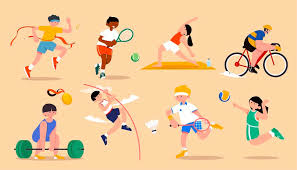

Physical education (PE) is an integral part of the educational curriculum, providing students with the opportunity to improve their physical health, develop social skills, and build character. In the fast-paced world we live in today, where sedentary lifestyles are becoming increasingly common, it is crucial that schools continue to prioritize physical education. This article delves into the multifaceted role that physical education plays in schools, highlighting its impact on students’ physical health, mental well-being, social development, and academic performance.
1. Physical Health Benefits
The most obvious and immediate benefit of physical education is the enhancement of physical health. In an era where childhood obesity rates are on the rise, physical education provides a structured environment for students to engage in physical activity regularly. These activities help children develop strength, endurance, coordination, and flexibility. Regular exercise also supports cardiovascular health, improves muscle tone, and enhances bone density.
One of the key benefits of PE is that it helps establish lifelong habits of physical activity. Children who are exposed to physical activity at a young age are more likely to continue engaging in physical exercise as they grow older. This can significantly reduce the risk of developing chronic conditions such as obesity, heart disease, and diabetes later in life.
2. Mental Health and Well-Being
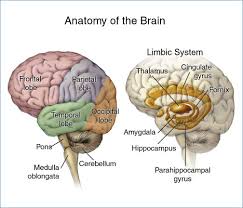
Physical education is not only about developing the body but also about fostering mental well-being. Exercise has been shown to reduce stress, anxiety, and depression. For students, engaging in regular physical activity allows them to release pent-up energy and emotions, leading to improved mood and mental clarity. Furthermore, physical activity triggers the release of endorphins, which are the brain’s “feel-good” chemicals. These endorphins can help combat stress and enhance overall mental health.
In addition, physical education can help students develop a healthy sense of self-esteem and confidence. Through the mastery of physical skills, students gain a sense of accomplishment, which can boost their self-worth and positively impact other areas of their lives. For example, a student who succeeds in a challenging game or learns a new sport might feel more confident in academic settings as well.
3. Improved Social Skills
Physical education often involves team sports or group activities, which provide students with opportunities to develop social skills. In team sports, students learn the value of cooperation, communication, and teamwork. They also learn how to handle both victory and defeat with grace and sportsmanship. These experiences are essential in helping students build strong interpersonal skills, which are vital for success in both their academic and professional futures.
PE classes also allow students to form friendships that may not have emerged in a traditional classroom setting. They can bond over shared experiences, whether it’s working together to win a game or supporting each other during a physical challenge. These social connections can have a lasting impact, contributing to a sense of community and belonging within the school.
4. Development of Discipline and Goal-Setting Skills
Physical education instills a sense of discipline and encourages goal setting. In PE, students often set personal fitness goals, such as running a certain distance within a set time or mastering a particular sport. To achieve these goals, students must develop habits of consistency, perseverance, and focus. These habits can be transferred to other areas of their lives, including academics. For example, a student who sets a goal to improve their performance in a sport might apply the same level of dedication and focus to their studies.
Moreover, PE teaches students the importance of time management. Whether they are balancing practice schedules with schoolwork or preparing for a game, students learn how to manage their time effectively, a skill that will serve them well in adulthood.
5. Impact on Academic Performance
There is growing evidence that physical activity has a positive impact on academic performance. Studies have shown that students who participate in physical education tend to perform better academically than those who are not physically active. This is because physical activity increases blood flow to the brain, which helps improve cognitive function and memory.
Furthermore, physical education can improve focus and attention span in the classroom. After engaging in physical activity, students often return to their academic work feeling refreshed and more focused. Physical activity has also been linked to improved problem-solving skills and creative thinking, which are essential in academic settings.
6. Promotion of Healthy Lifestyles
Physical education plays a critical role in promoting healthy lifestyles. By teaching students about the importance of nutrition, physical activity, and overall well-being, PE classes help students make informed decisions about their health. This education is especially important in an age where unhealthy eating habits and sedentary behavior are prevalent among young people.
PE classes can also introduce students to a variety of physical activities, allowing them to explore different sports and fitness routines. This exposure can help students discover lifelong activities they enjoy, whether it’s swimming, tennis, yoga, or hiking. Encouraging students to stay active beyond school hours is a key goal of physical education.
7. Cultural Awareness and Inclusivity
Physical education offers students the opportunity to engage in activities from different cultures, helping to promote cultural awareness and inclusivity. For example, students might learn about traditional sports or games from around the world, such as cricket, soccer, or martial arts. This exposure not only broadens students’ horizons but also encourages respect for diversity.
Moreover, physical education programs can be adapted to accommodate students with various abilities, ensuring that all students have the chance to participate and succeed. This inclusivity fosters an environment where every student is valued and supported, regardless of their skill level.
8. Physical Education and Character Development
Physical education is a powerful tool for character development. Through PE, students learn important life skills such as resilience, accountability, and perseverance. Sports and physical activities often involve challenges and setbacks, and how students respond to these challenges can shape their character. Learning to overcome obstacles in sports can translate to overcoming obstacles in life.
PE also teaches students the value of fair play and integrity. In competitive environments, students learn how to follow rules, respect opponents, and demonstrate good sportsmanship. These values are important for personal growth and contribute to the development of well-rounded individuals.
9. Reducing Behavioral Problems
Schools that prioritize physical education may see a reduction in behavioral problems. Students who are physically active tend to exhibit better behavior and focus in the classroom. This is because physical activity helps regulate mood and energy levels. When students are given opportunities to burn off excess energy through physical activity, they are less likely to become disruptive in class.
Additionally, PE provides students with a healthy outlet for their emotions, helping to prevent aggression or frustration from manifesting in negative behaviors. This makes PE a valuable tool in maintaining a positive and productive school environment.
10. The Future of Physical Education
As the world continues to evolve, so too must the role of physical education in schools. Today’s students face new challenges, such as the increasing prevalence of screen time and the rise of online learning. In response, physical education must continue to adapt and innovate, embracing new technologies and teaching methods to keep students engaged.
Virtual fitness classes, interactive games, and fitness trackers are just a few examples of how PE can evolve to meet the needs of today’s students. By incorporating these modern tools, physical education can remain relevant and continue to provide valuable experiences for students in the years to come.
Conclusion
Physical education plays a critical role in the holistic development of students. It enhances their physical health, supports their mental well-being, fosters social skills, and contributes to academic success. By promoting healthy lifestyles and teaching important life skills, PE prepares students for the challenges of adulthood. As such, schools must continue to prioritize physical education to ensure that students have the opportunity to thrive both in and out of the classroom. In a world where physical activity is more important than ever, the role of physical education in schools cannot be overstated.