
Mental health plays a crucial role in education, influencing not only the academic performance of students but also their overall well-being and personal development. The impact of mental health on education is often overlooked, with many students and even educators focusing primarily on intellectual skills and knowledge acquisition. However, mental health is foundational to a student’s ability to learn, interact socially, and cope with the challenges they face both inside and outside the classroom. In this article, we will explore the role of mental health in education, its implications for students, and the steps that can be taken to create a supportive environment for mental well-being in schools.
1. The Link Between Mental Health and Academic Performance
It is widely recognized that a student’s mental health significantly impacts their ability to learn and perform academically. When students struggle with mental health issues such as anxiety, depression, or stress, their focus, concentration, and memory can be impaired, making it difficult to engage with lessons and complete assignments. Mental health problems can also lead to absences from school, which can further hinder academic progress.
For example, students with anxiety disorders may experience intense worry and fear, which can prevent them from attending school regularly or participating in class discussions. Similarly, depression can lead to a lack of motivation, energy, and interest in academic work, which can result in poor grades and disengagement from the learning process.
Furthermore, mental health issues can lead to a negative cycle in which poor academic performance exacerbates the student’s mental health struggles, creating a barrier to success. On the other hand, students who are provided with mental health support are more likely to experience improvements in their academic performance, as they can manage their emotions, reduce stress, and stay focused on their studies.
2. The Impact of Mental Health on Social Interactions
Education is not just about learning academic content; it also involves developing social skills and forming relationships with peers and teachers. Mental health challenges can have a significant impact on a student’s social interactions, which, in turn, can affect their overall school experience.
Students struggling with mental health issues may experience feelings of isolation or alienation. For instance, a student with social anxiety may avoid interacting with others, leading to loneliness and a lack of support from peers. This can contribute to a sense of disconnect from the school community, which can further affect their academic performance and mental well-being.
In contrast, students who are mentally healthy are more likely to engage in positive social interactions, develop friendships, and contribute to a supportive classroom environment. Mental health support programs can help students build coping mechanisms, develop emotional intelligence, and enhance their ability to navigate social situations, which fosters a sense of belonging and inclusion in the school community.
3. The Role of Schools in Supporting Mental Health
Schools play a critical role in promoting mental health and well-being among students. They are not only academic institutions but also places where students spend a significant amount of their time, and they can be a vital support system for students facing mental health challenges. The role of educators and school staff is pivotal in creating an environment that promotes positive mental health and addresses mental health concerns effectively.
- a) Raising Awareness and Reducing Stigma
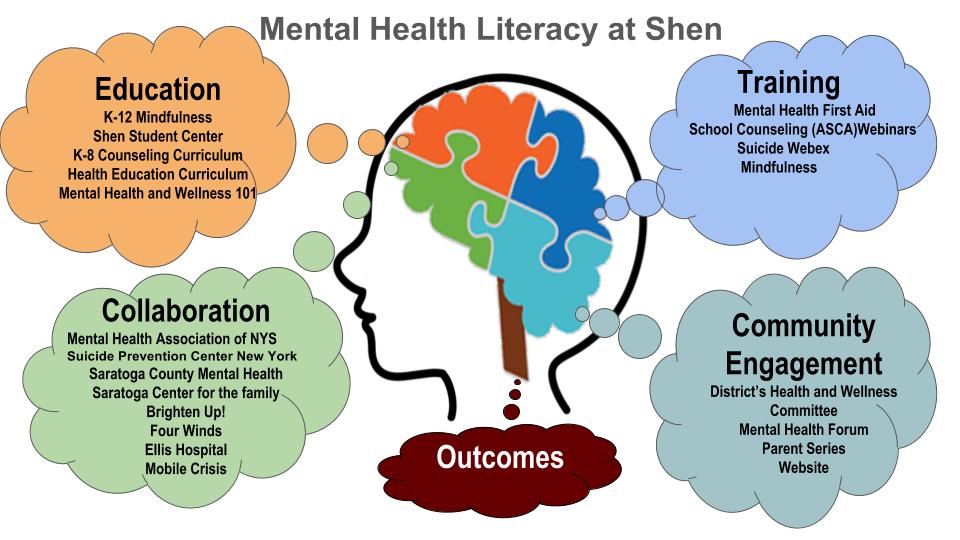
One of the first steps in supporting mental health in education is raising awareness about mental health issues. Many students are unaware of the importance of mental health or may feel ashamed to seek help due to the stigma associated with mental illness. Schools can address this by implementing educational programs that promote mental health awareness, teaching students about common mental health conditions, and highlighting the importance of seeking support when needed.
By reducing the stigma around mental health, schools can create a culture of openness and support, where students feel comfortable discussing their mental health concerns without fear of judgment or discrimination. This can encourage students to reach out for help before their problems escalate, leading to better outcomes for their academic success and overall well-being.
- b) Providing Access to Counseling and Mental Health Services
In addition to awareness campaigns, schools should provide access to counseling and mental health services for students. School counselors and psychologists play an essential role in identifying and addressing mental health issues among students. They can offer individual counseling sessions, provide emotional support, and help students develop coping strategies to manage stress, anxiety, or other mental health challenges.
For students who need more specialized care, schools can partner with external mental health providers to offer additional resources. By making mental health services easily accessible, schools can ensure that students receive the support they need to thrive both academically and personally.
- c) Creating a Supportive School Environment
A positive school environment that emphasizes inclusivity, respect, and empathy is essential for promoting mental health. Schools can take various steps to create a supportive atmosphere, such as implementing anti-bullying programs, fostering positive teacher-student relationships, and encouraging peer support systems.
Teachers and school staff should be trained to recognize the signs of mental health issues and respond appropriately. Creating a culture of support within the school encourages students to seek help when they are struggling and provides them with the tools they need to manage their emotions and cope with stress.
4. The Role of Parents and Communities
While schools play a significant role in supporting mental health in education, parents and communities are also crucial in fostering mental well-being. Parents are often the first to notice changes in their child’s behavior or mental health, and their support can make a significant difference in a student’s ability to overcome challenges.
Parents can support their children by maintaining open communication, recognizing signs of mental health struggles, and seeking professional help if needed. It is important for parents to create a supportive and nurturing home environment that encourages their children to prioritize their mental health and well-being.
Communities, too, can contribute to mental health support by offering resources such as mental health workshops, community counseling centers, and peer support groups. By working together, schools, parents, and communities can create a holistic approach to mental health that ensures students have the support they need to succeed.
5. Mental Health and Long-Term Success
Addressing mental health in education is not only about improving academic performance in the short term; it also has long-term implications for students’ personal development and success in life. Students who receive mental health support are better equipped to handle life’s challenges, develop resilience, and build positive coping strategies that will serve them well in adulthood.
Mental health awareness in education also contributes to reducing the risk of future mental health problems, as students learn to recognize and manage their emotions from an early age. This can lead to a generation of individuals who are more emotionally intelligent, mentally resilient, and capable of navigating the complexities of modern life.
Conclusion
Mental health is an integral part of the educational experience, influencing not only students’ academic performance but also their social interactions and overall well-being. By recognizing the importance of mental health in education and taking proactive steps to support students’ mental well-being, schools can create an environment where students are able to thrive both academically and personally.
Mental health support should be a priority in every educational setting, and it requires the combined efforts of schools, parents, and communities to ensure that students have access to the resources and support they need. When students’ mental health is prioritized, they are more likely to succeed in their academic endeavors, develop positive social relationships, and grow into resilient and emotionally healthy individuals.
Incorporating mental health education into the school curriculum, providing counseling services, reducing stigma, and creating a supportive environment are all essential steps toward fostering a generation of students who are not only academically successful but also mentally healthy and well-prepared for the challenges of the future.