
he Industrial Revolution stands as one of the most transformative periods in human history. Spanning the late 18th to the early 19th century, it marked a monumental shift in technological, economic, social, and cultural aspects of life. What began in Great Britain quickly spread across Europe, North America, and eventually the entire world. The consequences of the Industrial Revolution are still felt today, influencing modern industry, labor, technology, and even the way societies are structured.
In this article, we will explore the origins of the Industrial Revolution, the key technological advancements that powered it, and its far-reaching impacts on society, the economy, and the environment.
1. Origins of the Industrial Revolution
The Industrial Revolution did not occur overnight. It was a gradual process that built upon earlier innovations and changes. The key factors that contributed to the Industrial Revolution include the following:
a. Agricultural Revolution
Before the Industrial Revolution could begin, significant changes in agriculture had to occur. The Agricultural Revolution, which took place in the 17th and 18th centuries, saw improvements in farming techniques. New tools like the seed drill (invented by Jethro Tull) and the mechanization of tasks such as threshing and plowing allowed for higher yields with fewer workers. These advancements increased the food supply, which allowed populations to grow.
b. Population Growth
With more food available, the population of Britain and other countries grew steadily. A larger population meant a bigger workforce for factories, and it also created more consumers for the products that would be produced.
c. Geography and Resources
Britain was particularly well-positioned for the Industrial Revolution. The country had abundant natural resources, such as coal and iron ore, which were essential for powering new machinery and building factories. Additionally, Britain had a large network of rivers and ports, which facilitated the movement of goods and raw materials.
d. Political Stability and Colonial Trade
Unlike many European nations, Britain enjoyed political stability during the 17th and 18th centuries. This allowed for economic growth and the accumulation of wealth. Additionally, the British Empire’s vast colonial holdings provided both a supply of raw materials (like cotton from India and the Americas) and a market for manufactured goods.
2. Technological Innovations
At the heart of the Industrial Revolution were a series of technological innovations that revolutionized industry and manufacturing. These innovations allowed for mass production, reduced costs, and increased efficiency. Some of the most significant inventions include:
a. The Steam Engine
The development of the steam engine by James Watt in the late 18th century was perhaps the most important innovation of the Industrial Revolution. Originally created to pump water out of mines, the steam engine quickly found applications in a variety of industries, including textiles, transportation, and manufacturing. It enabled factories to be located away from rivers, which had previously been necessary for water-powered mills.
b. The Spinning Jenny
Invented by James Hargreaves in 1764, the Spinning Jenny was a revolutionary machine that could spin multiple spools of thread simultaneously. This invention significantly increased the speed and efficiency of textile production, one of the first industries to be mechanized.
c. The Power Loom
Edmund Cartwright’s invention of the power loom in 1785 further improved the textile industry by automating the process of weaving. This allowed for the mass production of fabrics and led to the creation of large textile factories, which became the centerpiece of the Industrial Revolution.
d. The Cotton Gin
Eli Whitney’s invention of the cotton gin in 1793 revolutionized cotton production by making it easier to separate cotton fibers from seeds. This invention led to a dramatic increase in cotton production, which, in turn, fueled the textile industry in Britain and the United States.
e. The Steamship and the Locomotive
The advent of steam-powered transportation was another key development of the Industrial Revolution. The steamship, pioneered by Robert Fulton in the early 19th century, made long-distance water travel faster and more reliable. Similarly, George Stephenson’s invention of the steam locomotive in the 1820s made rail travel possible, revolutionizing transportation on land.
3. Economic Impact
The Industrial Revolution had profound effects on the global economy, reshaping industries, markets, and wealth distribution. Key economic impacts include:
a. The Rise of Factory Production
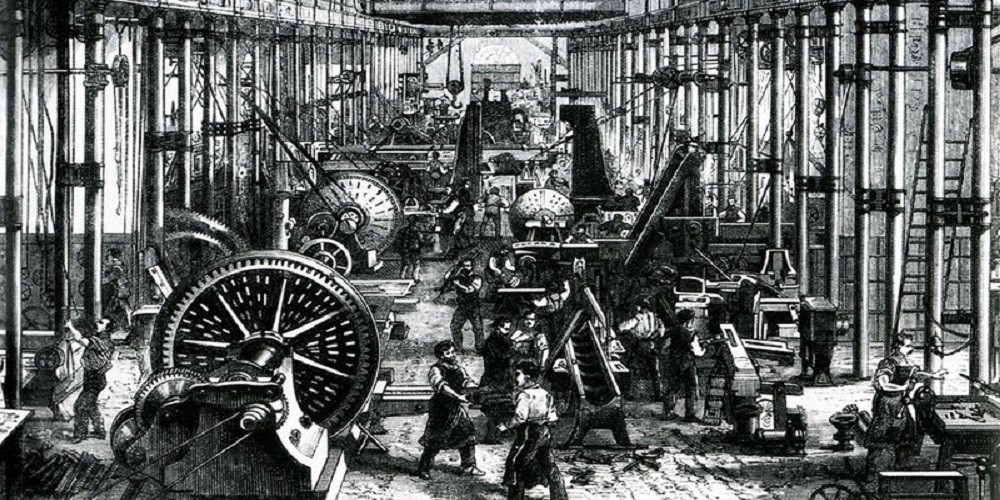
Prior to the Industrial Revolution, most goods were produced in small workshops or at home by artisans and craftsmen. With the advent of mechanized production, goods could now be produced in large factories, often with hundreds or even thousands of workers. This shift led to the rise of the factory system and a dramatic increase in productivity.
b. Growth of Capitalism
The Industrial Revolution accelerated the growth of capitalism, particularly in Western Europe and North America. Factory owners, entrepreneurs, and investors accumulated vast amounts of wealth, while workers were often paid low wages for long hours. This led to the concentration of wealth in the hands of a few, while many workers remained in poverty. However, the overall economy grew rapidly, and the middle class began to expand.
c. The Expansion of Global Trade
As industrialized nations produced more goods, they required new markets to sell these products. This drove the expansion of global trade, with industrialized countries exporting manufactured goods to colonies and other nations. This expansion also facilitated the exchange of raw materials, such as cotton, coal, and iron ore, which fueled industrial production.
4. Social Impact
The social impacts of the Industrial Revolution were far-reaching and complex. Some of the most significant changes include:
a. Urbanization
As factories sprouted up in cities, people began moving from rural areas to urban centers in search of work. This led to the rapid growth of cities, which often became overcrowded and unsanitary. While urbanization offered new economic opportunities, it also created poor living conditions for many workers, who lived in cramped and poorly constructed housing.
b. Labor Conditions
Factory work was often grueling, with long hours, low wages, and dangerous conditions. Many workers, including women and children, were employed in factories, where they were subjected to harsh working conditions. Over time, labor movements emerged, advocating for workers’ rights, better wages, and safer working environments. These movements led to the eventual establishment of labor laws, including regulations on child labor, work hours, and wages.
c. Rise of the Middle Class
The Industrial Revolution contributed to the growth of a new middle class. This class consisted of factory owners, entrepreneurs, and professionals who profited from industrialization. The middle class enjoyed a higher standard of living and greater access to education, healthcare, and other social benefits.
d. Changes in Family Structure
The rise of factory work altered family dynamics. In rural settings, families often worked together on farms, with everyone contributing to the household’s livelihood. In industrial cities, however, family members often worked in separate locations, with children and women employed in factories. This shift led to changes in gender roles, family life, and social expectations.
5. Environmental Impact
While the Industrial Revolution spurred economic growth and technological advancement, it also had significant environmental consequences. Some of the major environmental impacts include:
a. Pollution
The growth of factories, which relied on coal to fuel steam engines, led to widespread air and water pollution. Cities became plagued with smog, and rivers and streams were often contaminated with industrial waste. The environmental degradation caused by industrialization had long-lasting effects on health and the natural environment.
b. Deforestation and Resource Depletion
The demand for raw materials, such as coal, iron, and timber, led to extensive deforestation and the depletion of natural resources. As industries expanded, the need for land to build factories and extract resources grew, leading to changes in the landscape.
6. Global Impact and Legacy
The Industrial Revolution had a global impact, with its effects reaching far beyond Europe and North America. It contributed to the rise of new global powers, the spread of industrialization to other parts of the world, and the creation of global economic systems. In addition, the innovations of the Industrial Revolution laid the groundwork for the modern technological world. Today, industries like manufacturing, transportation, and communication continue to benefit from the advancements made during this period.
The legacy of the Industrial Revolution is complex. It brought about significant improvements in living standards for many people but also caused deep social inequality, exploitation, and environmental degradation. In modern times, there is still much debate about how to balance the benefits of industrialization with its negative consequences.
Conclusion
The Industrial Revolution was a defining moment in human history. Its technological innovations, economic shifts, and social changes transformed the world in profound ways. The era’s legacy is a testament to human ingenuity, but it also serves as a reminder of the need to consider the long-term consequences of industrial progress. As we continue to navigate the challenges of the modern world, the lessons of the Industrial Revolution offer valuable insights into the intersection of technology, society, and the environment.