
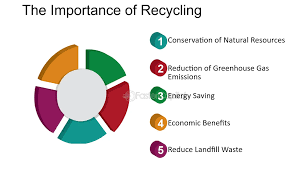

In today’s world, where rapid industrialization and consumerism are putting immense pressure on the environment, recycling is no longer just an option—it is a necessity. Recycling is the process of converting waste materials into new products instead of discarding them as trash. It offers a practical way to conserve resources, reduce pollution, and promote sustainable living. As an educational platform, Study Rhino emphasizes the importance of understanding and practicing recycling from an early age, so that the next generation can lead the way to a greener future.
What is Recycling?
Recycling involves collecting waste materials, processing them, and transforming them into new products. Common recyclable materials include paper, glass, metal, plastics, and certain electronics. By recycling, we are able to reuse valuable raw materials, reduce the need for fresh resources, and minimize the strain on the planet’s ecosystems.
Why is Recycling Important?
- Conserving Natural Resources
Earth’s natural resources are finite. Every time we use wood, water, oil, or minerals, we consume part of what has been built up over millions of years. Recycling allows us to reuse existing materials, meaning less need to extract new raw materials. For example:
- Recycling paper saves trees and reduces deforestation.
- Recycling metals like aluminum saves the effort and energy needed for mining.
By recycling, we ensure that valuable resources are preserved for future generations.
- Reducing Pollution
Manufacturing products from raw materials often leads to air, water, and soil pollution. For instance, mining operations can contaminate groundwater, and industrial processes release toxic gases into the atmosphere. Recycling reduces the need for such manufacturing processes, thereby cutting down pollution significantly.
Moreover, when waste is thrown into landfills, it often releases methane, a potent greenhouse gas. Recycling minimizes landfill waste and therefore helps lower greenhouse gas emissions that contribute to climate change.
- Saving Energy
Producing new products from recycled materials generally consumes much less energy than producing them from raw materials. For example:
- Recycling aluminum saves up to 95% of the energy needed to make aluminum from bauxite ore.
- Recycling paper uses about 60% less energy compared to making paper from virgin wood pulp.
Energy savings help reduce our reliance on fossil fuels, which are a major source of pollution and greenhouse gas emissions.
- Protecting Wildlife
By reducing the need for resource extraction like mining, logging, and drilling, recycling helps protect natural habitats and biodiversity. Many forms of resource extraction destroy ecosystems, displace animal species, and contribute to loss of biodiversity. Recycling allows us to maintain a healthier environment where wildlife can thrive.
- Creating Economic Opportunities
Recycling is not just good for the planet—it’s good for the economy too. It creates jobs in the collection, processing, and selling of recycled materials. In fact, recycling industries generate millions of jobs worldwide. These jobs support local economies and promote technological innovation in waste management and product design.
- Encouraging Sustainable Development
A sustainable future depends on using resources responsibly. Recycling supports the principles of sustainability by promoting a circular economy—where products and materials are reused, refurbished, or recycled instead of thrown away. This reduces waste, saves resources, and promotes responsible consumption.
The Recycling Process: Step by Step
Understanding the recycling process helps us appreciate the journey waste materials take to become useful again. The general steps include:
- Collection and Sorting: Waste materials are collected from homes, schools, and businesses. They are then sorted into different categories like paper, plastics, metals, and glass.
- Cleaning and Processing: Sorted materials are cleaned to remove impurities. They are then processed into raw forms such as shredded paper, crushed glass, or melted plastic pellets.
- Manufacturing: The raw materials are used to manufacture new products. For instance, recycled plastic can become new bottles, clothing, or furniture.
- Purchasing Recycled Products: Consumers close the recycling loop by buying products made from recycled materials.
By participating actively in every stage, we can contribute to the success of the recycling ecosystem.
Common Materials that Can Be Recycled
It is essential to know what materials are recyclable to ensure we recycle effectively. Common recyclable materials include:
- Paper and Cardboard: Newspapers, magazines, office paper, cereal boxes.
- Plastics: Bottles, containers, packaging materials (check the recycling code numbers).
- Metals: Aluminum cans, tin cans, scrap metal.
- Glass: Bottles and jars.
- Electronics: Old computers, mobile phones, batteries (through specialized e-waste programs).
It is important to clean recyclables and remove any food residue to prevent contamination in recycling facilities.
Challenges in Recycling
Despite its many benefits, recycling faces several challenges:
- Contamination
Contamination occurs when non-recyclable items are mixed with recyclables or when recyclables are not properly cleaned. Contaminated recycling can ruin entire batches and cause them to be sent to landfills instead.
- Lack of Awareness
Many people are unaware of how or what to recycle. Without proper education, recyclable items often end up in the trash, and non-recyclables end up in recycling bins.
- Economic Costs
Setting up and maintaining recycling programs can be expensive for cities and towns. In some areas, recycling costs more than landfill disposal, making it a less attractive option for local governments.
- Market Demand
For recycling to be successful, there must be a market for recycled materials. If manufacturers do not buy recycled materials, they pile up and create new environmental problems.
How Students Can Make a Difference
At Study Rhino, we believe that students have a critical role to play in promoting recycling and sustainability. Here are some ways students can make an impact:
- Educate Yourself and Others
Learn about recycling and share your knowledge with friends, family, and your school community. Awareness is the first step toward action.
- Start a Recycling Program
If your school or community does not have a recycling program, consider starting one. Work with teachers and local authorities to set up collection bins and awareness campaigns.
- Reduce and Reuse
Before thinking about recycling, remember the first two Rs: Reduce and Reuse. Reduce waste by using reusable water bottles, lunch boxes, and shopping bags. Reuse items whenever possible.
- Be a Conscious Consumer
Choose products made from recycled materials. Support brands and companies that prioritize sustainable practices.
- Participate in Clean-up Drives
Join or organize local clean-up events. Picking up litter and properly disposing of waste helps the environment and sets a positive example for others.
Global Recycling Efforts
Many countries around the world have implemented successful recycling programs:
- Germany has one of the highest recycling rates globally due to its strict recycling laws and public participation.
- Sweden recycles nearly 99% of its waste, using innovative technology to convert waste into energy.
- South Korea has a highly organized recycling system and even recycles food waste separately.
These examples show that with the right policies, education, and public cooperation, recycling can become a way of life.
Conclusion
Recycling is not just about throwing waste into the right bin—it’s about making a conscious decision to care for the planet. It conserves natural resources, reduces pollution, saves energy, protects wildlife, boosts the economy, and supports a sustainable future.
Every piece of paper you recycle, every plastic bottle you return, and every can you repurpose makes a difference. Together, through education, action, and commitment, we can create a cleaner, healthier world.
At Study Rhino, we encourage all our readers—students, parents, and educators—to embrace recycling as a vital part of daily life. Remember: small actions lead to big changes. Start recycling today for a better tomorrow!
Would you also like me to suggest a quick infographic layout or a printable recycling checklist that Study Rhino readers could use? 🌟