
Cultural awareness is the ability to understand, appreciate, and interact with people from cultures different from our own. In an increasingly globalized world, it has become more essential than ever for individuals, especially students, to recognize and respect cultural diversity. Cultural awareness is not merely about being knowledgeable about customs, languages, and traditions from around the world—it is also about understanding how these differences shape experiences, attitudes, and behaviors in a global context.
In this article, we will explore why cultural awareness is critical for students in education, career development, and personal growth. We will also discuss the benefits of fostering cultural awareness and the steps students can take to build and improve this important skill.
1. Understanding the Concept of Cultural Awareness
Cultural awareness refers to the ability to recognize and acknowledge cultural differences and similarities within and among groups. It involves understanding the ways in which people from different backgrounds communicate, behave, and perceive the world. While the concept often encompasses race, ethnicity, and nationality, it also extends to other aspects of identity, such as gender, religion, sexual orientation, and socioeconomic background.
Being culturally aware means more than simply knowing about cultural differences—it means actively engaging with and embracing those differences in a respectful and open-minded way. Students who are culturally aware can navigate the complexities of diverse environments with confidence and sensitivity, whether they are studying abroad, working in multinational teams, or interacting with peers from different backgrounds.
2. The Benefits of Cultural Awareness in Education
For students, cultural awareness plays a significant role in the educational experience. As classrooms become more diverse, students encounter classmates, teachers, and educational materials from a range of cultural backgrounds. Understanding these differences can enhance their learning and contribute to a more inclusive and respectful educational environment.
a. Improved Communication Skills
Cultural awareness helps students develop better communication skills. In an increasingly globalized world, students will need to collaborate with peers, professors, and professionals from a variety of cultural backgrounds. By understanding cultural differences in communication styles, students can navigate cross-cultural conversations with greater ease.
For example, some cultures value direct communication, while others prioritize indirect communication to maintain harmony. Understanding these differences can help students avoid misunderstandings and ensure that their messages are effectively conveyed. Furthermore, cultural awareness allows students to appreciate diverse perspectives and foster empathy and active listening in their interactions.
b. Promoting Respect and Tolerance
When students are culturally aware, they are more likely to appreciate the value of diversity and respect people’s differences. This respect helps build a positive and inclusive learning environment where all students feel valued and heard.
By embracing cultural diversity, students learn to recognize the importance of equality, fairness, and social justice. In an academic setting, where diverse perspectives contribute to the richness of discussions, cultural awareness encourages respectful dialogue and challenges stereotypes, biases, and prejudices.
c. Broader Perspectives and Critical Thinking
Cultural awareness broadens students’ perspectives by exposing them to new ways of thinking, problem-solving, and interpreting the world. Students who understand different cultural frameworks are better equipped to analyze complex global issues and think critically about various perspectives.
For instance, a student studying history may approach a particular event with a broader understanding of how it is perceived by different cultures. By learning about multiple viewpoints, students develop critical thinking skills that allow them to make more informed and thoughtful decisions in both academic and real-world contexts.
3. Cultural Awareness in Career Development
In addition to its role in education, cultural awareness is also an essential skill in the professional world. As businesses become increasingly international, employers value individuals who can work effectively with colleagues, clients, and customers from different cultural backgrounds. Here’s why cultural awareness is important in career development:
a. Enhancing Global Competence
Cultural awareness is critical for students who aspire to work in international or multicultural environments. Global competence refers to the ability to interact effectively with people from diverse cultural backgrounds. In today’s interconnected world, professionals are often required to navigate diverse markets, manage cross-cultural teams, and collaborate with individuals from different regions.
Students who develop cultural awareness early on are better prepared to succeed in global careers. They understand the nuances of international business etiquette, the importance of adapting to different cultural norms, and how to build relationships across cultural boundaries. These competencies are invaluable in industries like international relations, global marketing, hospitality, and education.
b. Improving Teamwork and Collaboration
Cultural awareness is vital for teamwork, particularly in multinational teams. By understanding and appreciating the different work styles, values, and communication preferences of team members from various cultural backgrounds, students can improve their ability to collaborate effectively.
For instance, in some cultures, collective decision-making is valued over individual autonomy, while in others, individual initiative is encouraged. Recognizing these differences allows team members to find common ground and work together more efficiently, fostering a collaborative atmosphere and improving overall productivity.
c. Enhancing Leadership Skills
Cultural awareness is also an important component of effective leadership. Leaders who are culturally aware are better equipped to manage diverse teams, resolve conflicts, and inspire trust among team members. They are able to navigate cultural differences with sensitivity, ensuring that all employees feel respected and understood.
Culturally aware leaders are also adept at recognizing and leveraging the strengths of a diverse team. By understanding the unique perspectives and skills that individuals from different cultural backgrounds bring to the table, leaders can create an inclusive environment that fosters innovation and creativity.
4. Personal Growth and Development Through Cultural Awareness
Beyond education and career development, cultural awareness contributes significantly to personal growth. In a world that is increasingly interconnected, understanding and respecting cultural differences allows individuals to cultivate empathy, open-mindedness, and emotional intelligence. These qualities are crucial for building meaningful relationships and contributing positively to society.
a. Fostering Empathy and Open-Mindedness
Cultural awareness helps students develop empathy by encouraging them to see the world through the eyes of others. By learning about different cultures, students can better understand the challenges, values, and aspirations of people from various backgrounds. This understanding fosters a deeper sense of connection and compassion, which is essential for building strong, supportive relationships.
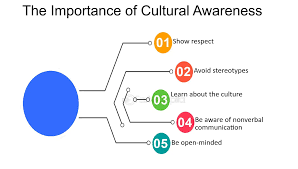
In addition, cultural awareness encourages open-mindedness. Students who embrace cultural diversity are more likely to approach new experiences with curiosity and a willingness to learn. They are less likely to make assumptions or generalizations about others based on stereotypes, and more likely to engage in meaningful and respectful interactions.
b. Enriching Personal Experiences
Cultural awareness can also enrich students’ personal lives. Traveling to different countries, participating in cultural exchange programs, or engaging with people from different cultures exposes students to new ideas, customs, and traditions. These experiences broaden their worldview and provide valuable opportunities for personal enrichment.
Students who are culturally aware are also more likely to engage in community service or volunteer work, particularly in diverse settings. By contributing to causes that promote cultural understanding and social inclusion, they can make a positive impact on society while gaining valuable life experiences.
c. Building Confidence in Cross-Cultural Interactions
Developing cultural awareness enhances a student’s confidence in cross-cultural interactions. Whether it’s communicating with international classmates, negotiating with foreign partners, or working in a multicultural workplace, students with cultural awareness feel more comfortable and capable in diverse settings.
This confidence can lead to greater personal satisfaction and success, both academically and professionally. It also helps students navigate challenges and opportunities in the globalized world with greater ease and resilience.
5. How Students Can Build Cultural Awareness
Building cultural awareness is an ongoing process that requires curiosity, reflection, and active engagement. Here are some steps students can take to cultivate cultural awareness:
a. Engage with Diverse Communities
One of the best ways to build cultural awareness is to engage with people from diverse communities. Students can participate in cultural exchange programs, attend multicultural events, or join student organizations that celebrate cultural diversity. These experiences allow students to learn firsthand about different cultures, traditions, and perspectives.
b. Learn a New Language
Learning a new language is a powerful way to gain insight into another culture. Language is deeply connected to cultural identity, and by learning a new language, students can better understand the values, beliefs, and customs of the people who speak it.
c. Read and Research About Different Cultures
Students can expand their cultural knowledge by reading books, articles, and research papers about different cultures. This includes studying history, literature, art, and social issues from various cultural perspectives. Watching documentaries or listening to podcasts that explore global topics can also deepen students’ understanding of cultural differences.
d. Reflect on Personal Biases
Cultural awareness also involves self-reflection. Students should take time to reflect on their own cultural biases and assumptions. By recognizing and challenging these biases, students can become more open-minded and empathetic towards others.
Conclusion
In today’s interconnected world, cultural awareness is a critical skill for students. It enhances communication, promotes respect and tolerance, broadens perspectives, and prepares students for success in education, careers, and personal growth. By fostering cultural awareness, students can contribute to a more inclusive and compassionate society, where diversity is celebrated and valued