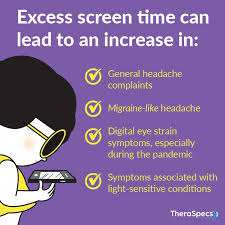

In today’s digital age, screens are an integral part of our daily lives, from smartphones and tablets to computers, televisions, and gaming consoles. As we increasingly rely on these devices for work, education, socializing, and entertainment, it’s crucial to understand the potential impact of screen time on our health. While technology brings numerous benefits, excessive or improper screen use can have various physical, psychological, and social consequences. This article delves into the multifaceted effects of screen time on health and offers practical tips to mitigate its negative impacts.
What is Screen Time?
Screen time refers to the amount of time spent using devices with screens, including televisions, computers, smartphones, tablets, and other digital media. In modern society, screen time is no longer limited to leisure activities such as watching TV or playing video games; it has extended into work, education, and communication. The rise of remote learning, work-from-home setups, and digital entertainment has made screen time a pervasive element of daily life.
While the definition of “too much” screen time may vary, experts generally agree that excessive screen time can negatively impact physical and mental well-being. For the sake of clarity, the American Academy of Pediatrics (AAP) recommends limiting screen time for children to no more than two hours per day and advocating for balance with physical activity and face-to-face social interactions.
Physical Health Impacts of Excessive Screen Time
1. Eye Strain and Discomfort
One of the most immediate effects of prolonged screen time is digital eye strain (also known as computer vision syndrome). Symptoms include eye discomfort, dryness, blurred vision, headaches, and difficulty focusing. The blue light emitted by screens can contribute to these issues, as it interferes with the production of melatonin, a hormone that regulates sleep.
Mitigation: To reduce eye strain, experts recommend the 20-20-20 rule: every 20 minutes, take a 20-second break and look at something 20 feet away. Additionally, adjusting screen brightness, using blue light filters, and maintaining proper screen distance (around 20-30 inches from the eyes) can help alleviate strain.
2. Poor Posture and Back Pain
Extended screen use often leads to poor posture, particularly when individuals slouch or hunch over their devices. Over time, this can result in musculoskeletal problems, such as back pain, neck pain, and shoulder tension. In children and adolescents, poor posture can also affect spinal development.
Mitigation: Maintaining an ergonomic setup is essential. Ensure that your screen is at eye level and that your chair provides proper support for the lower back. Frequent breaks and stretching exercises can help reduce the risk of musculoskeletal issues.
3. Sleep Disruption
Excessive screen time, particularly before bedtime, can interfere with sleep quality. The blue light emitted by screens inhibits melatonin production, making it harder to fall asleep. Moreover, engaging with stimulating content on devices—whether it’s social media, video games, or intense work—can increase alertness, making it harder to unwind.
Mitigation: Limit screen exposure at least one hour before bedtime. Instead of using screens, consider engaging in relaxing activities like reading or meditation. Using blue light-blocking glasses or enabling night mode on devices can also help reduce the impact on sleep.
4. Obesity and Physical Inactivity
A sedentary lifestyle is often associated with extended screen time. The more time spent on screens, the less time is spent engaging in physical activity. This can lead to weight gain and an increased risk of obesity. Research has shown a correlation between higher screen time and an increased likelihood of unhealthy eating habits, such as snacking on junk food during screen sessions.
Mitigation: Incorporating physical activity into daily routines is crucial. Take breaks to walk, stretch, or exercise. Encourage outdoor play for children, and limit screen time during meals to promote healthier eating habits.
Psychological and Mental Health Impacts
1. Increased Stress and Anxiety
Prolonged screen time, especially on social media, can contribute to heightened levels of stress and anxiety. Constant exposure to curated, idealized images of others’ lives can foster feelings of inadequacy, loneliness, and self-doubt. Social media platforms also expose individuals to cyberbullying, negative news, and online harassment, further exacerbating mental health concerns.
Mitigation: Set boundaries around social media use by limiting the amount of time spent online. Take regular breaks from social media and practice digital detoxes to reconnect with real-world experiences. Encourage mindfulness practices to reduce the effects of negative emotions associated with online interactions.
2. Impaired Attention and Focus
Excessive screen time has been linked to difficulties in concentrating and reduced attention spans, particularly in children and teenagers. The fast-paced nature of digital media, including video games and social media, can train the brain to expect constant stimulation, making it difficult to focus on less stimulating tasks, such as reading or studying.
Mitigation: Encourage activities that promote focus, such as reading books, puzzles, or practicing mindfulness exercises. Setting specific times for screen use can help create a balance between digital and offline activities, improving overall attention span.
3. Social Isolation and Relationship Strain
Spending more time in front of screens can reduce face-to-face interactions, leading to social isolation and a decline in social skills. For children, excessive screen time may hinder the development of critical social abilities, such as empathy, communication, and conflict resolution. Adults may also experience relationship strain due to excessive screen use, particularly in families where screens take precedence over meaningful conversations.
Mitigation: Encourage family time without screens, such as playing board games, going for walks, or engaging in hobbies together. For children, ensure that screen time is balanced with outdoor play and interaction with peers. Open communication about the impact of screen time on relationships can also help improve family dynamics.
Cognitive Development and Screen Time in Children
The impact of screen time on children’s cognitive development is a growing concern for parents, educators, and health professionals. Studies suggest that excessive screen time, especially in young children, can negatively affect language development, attention span, and academic performance.
Language Development: Young children who spend too much time on screens may have delayed language development, as they miss out on face-to-face communication with caregivers and peers. Interactive screen time, such as educational apps or videos, is beneficial when used appropriately, but it cannot replace human interaction.
Attention and Memory: Research has shown that children who engage in excessive screen time may experience difficulties with memory retention and attention span. This can impact their academic performance and ability to focus in school.
Mitigation: The American Academy of Pediatrics recommends no screen time for children under two years of age, and for older children, screen time should be limited to no more than two hours per day. Encourage educational and interactive screen content while balancing it with physical activities, outdoor play, and personal interactions.
Strategies to Manage Screen Time
Given the various impacts of screen time, it’s important to adopt strategies to manage its use effectively. Here are some practical steps:
- Set Screen Time Limits: Establish clear boundaries around screen time, particularly for children. Use parental controls or built-in features on devices to monitor and limit screen usage.
- Encourage Breaks and Movement: Take regular breaks from screens to stretch, walk around, and rest the eyes. Incorporate movement into daily routines to reduce the risks associated with a sedentary lifestyle.
- Practice Digital Detoxes: Schedule regular digital detoxes, where individuals disconnect from screens for a set period. This can help improve mental well-being and foster more meaningful connections with the real world.
- Promote Screen-Free Zones: Designate areas of the home, such as the dining room or bedroom, as screen-free zones to encourage face-to-face interaction and better sleep hygiene.
- Educate on Healthy Screen Habits: Teach children and adults alike about the importance of balance, self-care, and moderation when it comes to screen use. Promote the use of screens for educational or productive purposes rather than passive consumption.
Conclusion
Screen time is an unavoidable part of modern life, but its impact on physical, mental, and social health cannot be ignored. While technology offers many benefits, excessive or improper use can lead to a range of health issues, including eye strain, poor posture, sleep disturbances, and increased stress. By understanding the potential risks of excessive screen time and adopting strategies to manage its use, individuals can enjoy the benefits of technology while maintaining their overall well-being.
Ultimately, balance is key. A healthy relationship with screens involves mindful usage, regular breaks, and a commitment to offline activities that promote physical activity, social interaction, and mental relaxation. By taking proactive steps, we can ensure that our digital lives do not come at the cost of our health.