
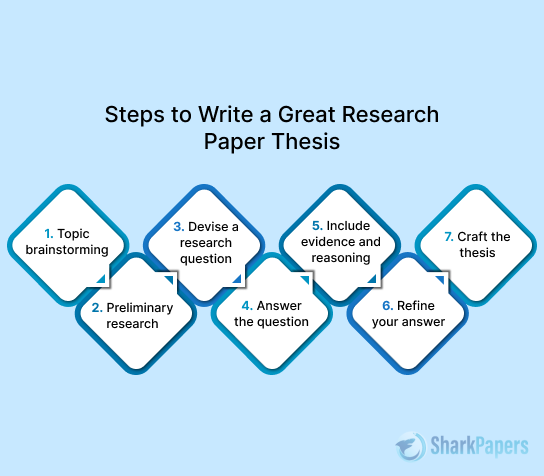

Writing a thesis can be one of the most challenging yet rewarding academic tasks a student can undertake. It requires deep research, critical thinking, and strong writing skills. The thesis is a culmination of your academic journey, and it plays a vital role in demonstrating your expertise on a specific topic. Whether you’re in the early stages of your thesis or in the final drafting process, understanding how to write an effective thesis is crucial. This guide will walk you through each step of the thesis-writing process, from choosing a topic to refining the final draft.
- Choosing the Right Thesis Topic
The first and most critical step in writing an effective thesis is choosing the right topic. Your thesis topic should be specific, focused, and relevant to your field of study. A good thesis topic should:
- Be Narrow and Focused: A broad topic will make it hard to research and write effectively. For instance, instead of writing about “climate change,” consider focusing on “The Impact of Climate Change on Coastal Ecosystems in the Arctic.”
- Align with Your Interests: Writing a thesis requires long hours of research and writing. Choosing a topic you’re passionate about will make the process more enjoyable.
- Contribute to the Field: Your thesis should add value to the existing body of knowledge. It could offer a new perspective, fill gaps in existing research, or explore an under-researched area.
Tip: Start with a brainstorming session or create a mind map to explore potential topics. Once you have a few ideas, conduct some preliminary research to see if sufficient resources are available.
- Conducting Thorough Research
Once you’ve settled on a topic, it’s time to dive into the research. Effective research is the backbone of any thesis. Your research should be comprehensive, relevant, and up-to-date.
- Start with Scholarly Sources: Use academic journals, books, and reputable online databases (such as Google Scholar, JSTOR, or your university’s library) to gather relevant literature.
- Take Notes: As you read through various sources, take detailed notes. Organize your notes by themes or key ideas, which will help in structuring your thesis later.
- Evaluate Your Sources: Make sure your sources are credible, peer-reviewed, and academic in nature. Avoid relying on websites or non-academic sources.
- Identify Gaps: Look for areas in the literature that have not been extensively covered. This could be a place to contribute new insights through your research.
Tip: Keep track of your references as you go. Using citation management tools like Zotero or EndNote can save time when creating your bibliography later.
- Crafting a Strong Thesis Statement
The thesis statement is the heart of your thesis. It’s a concise summary of the main point or claim of your paper and serves as the foundation for your entire argument. A strong thesis statement should:
- Be Clear and Specific: Avoid vague or overly broad statements. Instead of saying, “Social media affects people,” say something like, “Social media use is linked to increased anxiety levels among teenagers.”
- Be Arguable: A good thesis statement presents a position that can be debated or supported with evidence. It’s not just a factual statement, but rather a claim that requires validation through research.
- Reflect the Scope of Your Thesis: Your thesis statement should be in line with the depth and scope of your research. It shouldn’t be too broad or too narrow for the amount of evidence available.
Tip: Write your thesis statement early in the process, but be open to refining it as you conduct more research.
- Creating an Outline
Before you start writing, it’s essential to organize your thoughts and research into a clear structure. An outline serves as a roadmap for your thesis, ensuring that your argument is coherent and logically developed. Here’s a basic structure for a thesis outline:
- Introduction:
- Background information
- Thesis statement
- Overview of the structure of the thesis
- Literature Review:
- Summary of key research in the field
- Identification of gaps in existing research
- How your research fills these gaps
- Methodology:
- Explanation of the research methods used
- Justification for your chosen methodology
- Results/Findings:
- Presentation of the data or findings from your research
- Clear and concise presentation of results (tables, graphs, charts, etc.)
- Discussion:
- Interpretation of the results
- Comparison with previous research
- Implications of your findings
- Conclusion:
- Summary of key findings
- Suggestions for future research
- Final thoughts on the topic
Tip: Use bullet points in your outline to break down each section into smaller, manageable tasks.
- Writing the First Draft
With your research and outline in hand, it’s time to start writing your thesis. Writing the first draft can be daunting, but it’s important to focus on getting your ideas down on paper without worrying too much about perfection. Here are some tips for writing your first draft:
- Start with the Body Sections: Don’t worry about the introduction or conclusion at first. Focus on writing the body of the thesis (literature review, methodology, results, and discussion) because this is where you’ll be presenting the bulk of your research.
- Use Clear and Concise Language: Avoid jargon or overly complicated sentences. Your goal is to communicate your research findings clearly and effectively.
- Support Every Claim with Evidence: Make sure every argument you make is backed by relevant research. Use direct quotes, paraphrasing, or citations to support your claims.
- Write in the Active Voice: Where possible, use active voice instead of passive voice. For example, instead of saying “It was found that,” say “The study found.”
Tip: Don’t worry if the first draft isn’t perfect. The goal is to get your ideas down, and you can always revise later.
- Revising and Editing
After completing your first draft, it’s time to revise. Revising involves refining the structure, improving the flow of your argument, and ensuring that your thesis is clear and well-organized. Here’s how to approach revision:
- Take a Break Before Revising: After completing your draft, take some time away from it. Coming back with fresh eyes will help you identify areas that need improvement.
- Check for Coherence: Ensure that each section of your thesis flows logically from one to the next. Transitions between paragraphs should be smooth.
- Simplify Complex Sentences: If you find any long, convoluted sentences, simplify them to improve readability.
- Check for Consistency: Ensure that terminology and formatting are consistent throughout your thesis. Double-check your citations and bibliography.
Tip: Read your thesis aloud to catch awkward phrasing or errors you might miss when reading silently.
- Proofreading
The final step in writing an effective thesis is proofreading. This stage focuses on finding and correcting grammatical errors, spelling mistakes, and formatting issues. Here’s how to proofread effectively:
- Look for Common Mistakes: Focus on common errors, such as subject-verb agreement, punctuation, and spelling.
- Check Formatting: Ensure your thesis adheres to the required style guide (APA, MLA, Chicago, etc.) and that your citations and bibliography are formatted correctly.
- Use Online Tools: Tools like Grammarly or ProWritingAid can help catch errors you might miss.
Tip: Consider asking a peer or advisor to proofread your thesis as well. A fresh set of eyes can catch mistakes you may have overlooked.
- Final Submission
Once your thesis is thoroughly revised and proofread, it’s time for final submission. Be sure to follow all submission guidelines provided by your university, such as formatting requirements, deadlines, and the number of copies to submit. It’s also helpful to print a copy for your own records before submission.
Conclusion
Writing an effective thesis is a challenging but rewarding process. By choosing the right topic, conducting thorough research, crafting a strong thesis statement, and following a clear structure, you can write a thesis that will contribute to the body of knowledge in your field. Remember, the process may take time, and revisions will likely be necessary, but with patience and diligence, you can produce a thesis that reflects your hard work and expertise.
Happy writing, and good luck with your thesis!