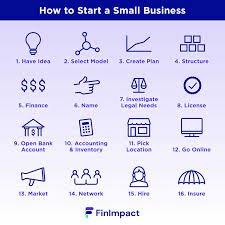

Starting a small business can be one of the most exciting and rewarding adventures in your life. It gives you the chance to follow your passion, be your own boss, and create something valuable for your community. However, without careful planning and a clear roadmap, your business could face challenges early on.
At Study Rhino, we believe every entrepreneur deserves a strong foundation. In this step-by-step guide, we’ll walk you through everything you need to know to successfully start your small business — from that first idea to opening your doors to customers.
Step 1: Refine Your Business Idea
Every successful business starts with a great idea. But a great idea alone isn’t enough—you need to refine it. Ask yourself:
- What problem does my business solve?
- Who are my ideal customers?
- Is there a demand for my product or service?
- What sets me apart from competitors?
Tip: Use brainstorming techniques like mind mapping, SWOT analysis (Strengths, Weaknesses, Opportunities, Threats), or surveys to get a clearer picture of your idea’s potential.
Step 2: Conduct Market Research
Market research helps you understand your industry, target audience, and competition. It reduces the risk of failure by making sure there’s actually a market for what you’re offering.
How to Conduct Market Research:
- Surveys and Questionnaires: Collect feedback from potential customers.
- Competitor Analysis: Study businesses offering similar products/services.
- Industry Reports: Use government or industry sources to gather trends and data.
- Focus Groups: Organize small group discussions for more detailed insights.
Remember: Good research gives you the facts needed to shape your business strategy effectively.
Step 3: Write a Business Plan
A business plan is your blueprint for success. It outlines your goals, how you will achieve them, and what resources you need.
Key Elements of a Business Plan:
- Executive Summary: A snapshot of your business.
- Business Description: What you sell and who you sell to.
- Market Analysis: Research findings about your market.
- Organization and Management: Your business structure and team.
- Products or Services: Detailed descriptions of what you offer.
- Marketing and Sales Strategy: How you’ll attract and retain customers.
- Funding Request: If you need external funding.
- Financial Projections: Estimated income, expenses, and profitability.
Pro Tip: Even if you’re not seeking investors, writing a business plan clarifies your vision and keeps you focused.
Step 4: Choose a Business Structure
The legal structure you choose affects your taxes, liability, and operations. Common options include:
- Sole Proprietorship: Simple and low-cost, but no legal separation between you and the business.
- Partnership: Two or more people share ownership and responsibilities.
- Limited Liability Company (LLC): Protects personal assets while offering flexibility.
- Corporation: A more complex structure offering strong liability protection.
Consult a legal advisor if you’re unsure which structure best suits your business.
Step 5: Register Your Business
Once you choose a structure, it’s time to make it official.
Checklist for Registration:
- Choose a Business Name: Make sure it’s unique and memorable.
- Register Your Name: With your state or local government.
- Apply for an EIN (Employer Identification Number): This is like a social security number for your business and is necessary for taxes.
- Obtain Required Licenses and Permits: Requirements vary by industry and location.
Note: Some small businesses may also need special zoning clearances or professional certifications.
Step 6: Set Up Business Finances
Keeping your personal and business finances separate is crucial for legal and financial reasons.
Steps to Set Up Finances:
- Open a Business Bank Account: Easier tracking of income and expenses.
- Set Up Accounting Software: Tools like QuickBooks or Wave can simplify bookkeeping.
- Understand Your Tax Obligations: Know what taxes you’ll owe and when.
- Plan for Funding: Explore loans, grants, investors, or self-funding options if you need startup capital.
Good Practice: Always save receipts, track cash flow, and prepare financial statements regularly.
Step 7: Build Your Brand
Your brand is how the public perceives your business. It includes your logo, color scheme, tone of voice, and values.
Key Branding Elements:
- Business Name: Short, unique, and easy to remember.
- Logo Design: Invest in a professional logo.
- Website: A modern, mobile-friendly website is a must.
- Social Media Presence: Platforms like Instagram, Facebook, and LinkedIn help you connect with customers.
Tip: Consistency across all channels builds trust and loyalty.
Step 8: Develop Your Product or Service
Whether you’re selling handmade jewelry, offering marketing services, or opening a coffee shop, perfecting your offering is essential.
Steps to Develop:
- Create Prototypes or Trial Services: Test your idea in real-world conditions.
- Gather Feedback: Use early testers or customers to refine your product/service.
- Ensure Quality: Customers remember quality over everything else.
Always focus on solving customer problems and exceeding expectations.
Step 9: Launch Marketing Campaigns
You can’t rely solely on “build it and they will come.” You must actively market your business.
Marketing Strategies:
- Content Marketing: Blogs, videos, podcasts.
- Social Media Advertising: Targeted ads can be highly effective.
- Email Marketing: Build a list and communicate regularly with offers and updates.
- Local Marketing: Participate in community events, join local business groups.
- SEO (Search Engine Optimization): Improve your website’s visibility in search engines.
Pro Tip: Start marketing before you officially launch to build excitement and anticipation.
Step 10: Open for Business!
Now it’s time to launch officially. Plan a grand opening (even if it’s virtual) to generate buzz.
Ideas for a Successful Launch:
- Host an event (online or offline).
- Offer special discounts to early customers.
- Partner with influencers or local media.
- Use a countdown on your website or social channels.
Important: Pay attention to customer feedback during the first few weeks — it’s incredibly valuable for adjustments.
Step 11: Monitor, Adapt, and Grow
The first year is critical. Stay flexible and willing to adjust your strategy based on results.
Key Actions Post-Launch:
- Track KPIs (Key Performance Indicators): Sales, website traffic, customer satisfaction.
- Seek Customer Feedback: Regularly and act on it.
- Update Your Business Plan: As your business evolves.
- Invest in Professional Development: Continue learning through books, courses, and networking.
Mindset Matters: Remember that mistakes are learning opportunities. Resilience and adaptability will drive long-term success.
Final Thoughts
Starting a small business is challenging but incredibly rewarding. By following these 11 steps, you’ll create a strong foundation that increases your chances of long-term success.
At Study Rhino, we’re here to support every dreamer, doer, and entrepreneur with the knowledge and confidence to build something amazing. Take your first step today—your future business is waiting!
Want more tips on entrepreneurship and business success? Stay tuned to Study Rhino for the latest guides, expert advice, and inspiring success stories!