
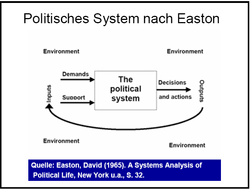

Political systems are the frameworks that define how political power and authority are distributed and exercised in a country. These systems shape the relationships between government institutions, citizens, and political entities. Analyzing political systems is essential for understanding how political power works, how policies are formed, and how societies are governed. This article explores the different approaches, tools, and methods for analyzing political systems.
1. Understanding Political Systems
A political system refers to the structure of institutions, rules, practices, and actors that define how political power is distributed and exercised. The political system is the way in which governance and decision-making processes occur in a society. Political systems can vary greatly across different countries, reflecting unique histories, cultures, and societal norms.
The key components of a political system include:
- Political institutions: These are the structures that govern a country, such as the executive, legislative, and judicial branches of government.
- Political actors: These are individuals or groups who influence political decisions, including politicians, political parties, interest groups, and citizens.
- Political culture: This refers to the shared beliefs, values, and norms about politics and government in a society.
- Political processes: The methods by which decisions are made and implemented, including elections, lawmaking, and policy formulation.
2. Key Approaches to Political Analysis
There are several approaches to analyzing political systems, each offering a different lens through which to understand how political power is exercised. These include comparative politics, institutional analysis, and behavioral analysis.
2.1 Comparative Politics
Comparative politics is the study and comparison of different political systems across the world. It seeks to identify patterns, similarities, and differences between political systems, providing insights into how political institutions and processes function in different countries.
- Country Comparisons: By comparing the political systems of different countries, analysts can identify trends, such as the concentration of power in authoritarian regimes versus the dispersion of power in democratic systems.
- Typologies: Comparative politics often categorizes political systems into broad types, such as democracies, authoritarian regimes, and hybrid systems. Each type of system has unique characteristics that can be studied for better understanding.
2.2 Institutional Analysis
Institutional analysis focuses on the structures and functions of political institutions, such as parliaments, courts, and executive bodies. It looks at how institutions shape political behavior and decision-making.
- Constitutional Framework: Analyzing a political system involves understanding the constitution, which outlines the distribution of power between different levels of government (e.g., central versus regional governments) and establishes checks and balances between the branches of government.
- Electoral Systems: The method by which elections are conducted—such as first-past-the-post, proportional representation, or mixed systems—shapes political competition and outcomes.
- Bureaucracy: The role of bureaucratic agencies in implementing policies, regulating sectors, and ensuring public administration is a critical element of institutional analysis.
2.3 Behavioral Analysis
Behavioral analysis examines the behavior of political actors—such as voters, politicians, and interest groups—and how their actions influence political outcomes.
- Voting Behavior: Analysts study patterns of voting in elections to understand the influence of political parties, public opinion, and socio-economic factors on election results.
- Public Opinion: The preferences and attitudes of the public toward political issues, parties, and policies often play a significant role in shaping government decisions.
- Interest Groups and Advocacy: Interest groups represent particular sections of society and attempt to influence government decisions through lobbying and advocacy.
3. The Tools of Political Analysis
To effectively analyze political systems, scholars and political analysts use various tools and methodologies. These tools provide the foundation for understanding the operation of political systems and evaluating their effectiveness.
3.1 Data Collection
Political analysis often begins with the collection of data. This data can come from a wide range of sources:
- Surveys and Polls: These provide insights into public opinion and voting behavior.
- Election Results: By analyzing election outcomes, political analysts can understand the power dynamics between political parties, electoral systems, and regional voting patterns.
- Government Documents: Legislative records, policy reports, and constitutional texts provide information on how laws are passed and how decisions are made.
3.2 Quantitative Analysis
Quantitative analysis involves the use of statistical methods to examine political data. This can include:
- Election Results Analysis: Quantifying voting behavior, party performance, and demographic patterns.
- Policy Impact Analysis: Using statistical techniques to measure the effectiveness of policies or the success of government initiatives.
3.3 Qualitative Analysis
Qualitative analysis looks at the non-numerical aspects of political systems, focusing on the meaning and interpretation of political phenomena. This approach can include:
- Case Studies: In-depth examinations of specific political events or systems provide rich context for understanding political behavior and decision-making.
- Interviews and Focus Groups: Conversations with political actors, experts, and the general public can provide valuable insights into the motivations and strategies behind political actions.
- Discourse Analysis: Analyzing political speeches, media coverage, and public debates can reveal underlying ideologies, power dynamics, and the framing of political issues.
3.4 Institutional Mapping
Institutional mapping involves understanding the formal and informal networks of political power within a system. This includes identifying the key players, institutions, and relationships that shape political decisions.
- Networks of Power: Mapping the relationships between political parties, influential interest groups, and government bodies helps to identify the balance of power in a political system.
- Decision-Making Processes: Understanding how decisions are made at the political level, including the role of lobbying, bargaining, and coalition-building, provides insights into how policies are formed.
4. Key Areas to Analyze in Political Systems
When analyzing a political system, it is essential to focus on specific areas that help paint a full picture of how the system operates. These include the nature of governance, the functioning of political institutions, civil liberties, and the role of political actors.
4.1 Governance and Political Structure
The political structure defines the organization of political power in a state. Analysts study whether the political system is centralized or decentralized, the degree of power held by elected officials versus unelected bodies, and the effectiveness of governance.
- Centralization vs. Federalism: In some systems, power is concentrated in the central government, while in others, power is shared with regional governments (federal systems).
- Executive-Legislative Relations: Understanding the relationship between the executive and legislative branches is critical to analyzing a system’s ability to make decisions and pass laws.
4.2 Democracy vs. Authoritarianism
Political systems can range from democratic to authoritarian regimes, each with its own distinct characteristics.
- Democratic Systems: In democratic systems, power is derived from the consent of the governed, and elections play a significant role in shaping political outcomes. Key elements of democratic systems include free and fair elections, protection of civil rights, and rule of law.
- Authoritarian Systems: In authoritarian regimes, power is concentrated in the hands of a single ruler or a small group of elites. These systems often lack political pluralism, and citizens have limited political freedoms.
4.3 Civil Liberties and Human Rights
The protection of civil liberties is a cornerstone of democratic political systems. Analysts assess how well a political system protects the rights of its citizens, including freedom of speech, the right to assemble, and the right to participate in politics.
- Freedom of the Press: A free press is essential for holding the government accountable and providing citizens with information about political issues.
- Judicial Independence: The judiciary’s ability to act independently of the executive and legislative branches is vital to maintaining the rule of law and protecting citizens’ rights.
4.4 Political Parties and Electoral Systems
The role of political parties and the electoral system determines how power is distributed and exercised within a political system. Analysts study the party system, the number of parties, party ideology, and the electoral method used to determine political representation.
- Party Systems: A political system may have a single-party, two-party, or multiparty system. Each system has its advantages and challenges.
- Electoral Systems: Different electoral systems impact the way votes are translated into seats and the overall competitiveness of elections.
5. The Role of Culture in Political Systems
Political systems are also influenced by political culture, which refers to the values, beliefs, and attitudes that people hold about their political system. Analyzing political culture involves understanding the public’s trust in institutions, political participation, and political socialization.
- Political Participation: In democratic systems, participation can include voting, activism, and engagement in political debates.
- Political Trust: Public trust in political leaders, institutions, and the electoral process can impact the stability and legitimacy of a political system.
6. Conclusion
Analyzing political systems is an essential task for understanding how political power is organized, exercised, and contested. Whether through comparative analysis, institutional study, or behavioral examination, the tools and approaches outlined in this article help provide a deeper understanding of how different political systems function. By critically analyzing political systems, we can better understand how governance works, how power is distributed, and the implications for the citizens governed by these systems.