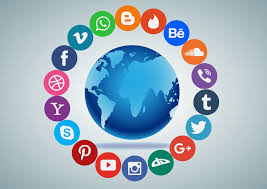

In the 21st century, the rapid development of technology and the internet has fundamentally transformed how people communicate, share information, and interact with each other. One of the most significant changes in communication has been the rise of social media. Platforms like Facebook, Twitter, Instagram, TikTok, LinkedIn, and many others have become central to daily life for millions of people worldwide. Social media has reshaped almost every aspect of society, from personal relationships to political movements, business strategies, and education. This article explores the role of social media in modern society, examining its impact on communication, social behavior, business, politics, and education.
1. Social Media and Communication
Before the advent of social media, communication was largely limited to face-to-face interactions, telephone conversations, or written correspondence. The introduction of social media platforms has drastically altered this. Today, people can communicate with anyone, anywhere, at any time, through text, images, and videos. Social media has created a space for instant communication and real-time interactions, breaking down geographical barriers.
One of the most important aspects of social media in communication is its ability to foster connections between individuals who may never have met in person. People from different cultures, backgrounds, and countries can interact, share ideas, and collaborate on projects. In many ways, social media has created a global village where information is shared instantly and cross-cultural communication is easier than ever.
However, social media communication is not without its drawbacks. While it has made communication more accessible, it has also led to the rise of superficial interactions, with many users preferring online engagement over face-to-face conversations. Moreover, the anonymity that social media provides can sometimes lead to negative behavior such as cyberbullying, trolling, and harassment. These challenges highlight the need for responsible and mindful use of social media platforms.
2. Social Media and Social Behavior
The rise of social media has had a profound impact on social behavior. People today are more connected than ever before, but this connectivity has come at a cost. Social media has altered the way individuals form and maintain relationships, impacting everything from romantic partnerships to friendships.
For example, social media allows people to stay in touch with old friends, family members, and colleagues, even when they are physically distant. Platforms like Facebook and Instagram have made it easier to share updates, photos, and life events, keeping people connected in ways that would have been impossible just a few decades ago.
However, the impact of social media on social behavior is not entirely positive. The constant stream of information and images on social media can contribute to feelings of inadequacy, comparison, and loneliness. Studies have shown that excessive use of social media can lead to a decline in mental health, with users often feeling isolated despite being constantly connected online. The pressure to present a curated, idealized version of one’s life can create a sense of disconnection and anxiety.
Additionally, social media has introduced new forms of social interaction that may not be healthy in the long term. The rise of “like culture” and the emphasis on external validation can lead to individuals seeking approval from their peers rather than cultivating meaningful, authentic relationships. The desire for popularity or fame on platforms like Instagram or TikTok can foster unhealthy competition and a sense of self-worth tied to online engagement rather than personal growth.
3. Social Media and Business
Social media has also become a powerful tool for businesses to connect with customers, promote products, and drive sales. Brands across various industries use social media to create and maintain relationships with their audience, build brand loyalty, and increase visibility. Social media platforms provide businesses with the opportunity to engage directly with consumers, gather feedback, and address customer concerns in real-time.
In addition to customer engagement, social media has revolutionized advertising. Traditional forms of advertising, such as TV and print ads, are being overshadowed by digital marketing campaigns on platforms like Facebook, Instagram, and YouTube. Businesses can now target specific demographics, track engagement metrics, and create personalized marketing strategies that resonate with their audience. This ability to connect with consumers on a personal level has made social media a cornerstone of modern business practices.
The influence of social media on business goes beyond marketing and customer relations. Platforms like LinkedIn have transformed the way professionals network and search for job opportunities. Social media has opened new avenues for freelancers and entrepreneurs to showcase their work, build a personal brand, and attract clients. The gig economy, powered in part by social media, has reshaped the traditional employment landscape, giving individuals more freedom and flexibility in their careers.
Despite the many benefits for businesses, there are challenges as well. Social media is a double-edged sword: while it can enhance brand visibility, negative reviews or viral controversies can quickly damage a company’s reputation. Companies must be vigilant in monitoring their online presence, responding to customer concerns, and maintaining a positive image.
4. Social Media and Politics
Social media has become an essential tool in the political landscape, influencing how campaigns are run, how political discourse is shaped, and how citizens engage with their governments. Platforms like Twitter, Facebook, and Instagram have given politicians a direct channel to communicate with their constituents, bypassing traditional media outlets. This allows for unfiltered communication and the ability to respond quickly to news events, controversies, and public opinion.
Social media has also played a crucial role in mobilizing political movements and organizing protests. Movements like the Arab Spring, Black Lives Matter, and the Me Too movement have gained global attention and support through the viral spread of information on social media. These platforms have provided a space for marginalized voices to be heard and have allowed for grassroots movements to gain momentum without the backing of traditional media outlets.
However, social media’s role in politics is not without controversy. The spread of misinformation, fake news, and propaganda on social media platforms has become a significant issue. During major political events, such as elections and referendums, social media has been used to manipulate public opinion and sow division. The algorithmic nature of platforms like Facebook and Twitter often promotes sensational or polarizing content, further exacerbating political polarization.
In addition, the use of social media for political purposes has raised concerns about privacy, surveillance, and the misuse of personal data. Social media platforms have been criticized for allowing political campaigns and foreign actors to gather vast amounts of personal information to target voters with tailored ads and messages.
5. Social Media and Education
In the realm of education, social media has had both positive and negative effects. On the one hand, it has provided students and educators with new ways to share knowledge, collaborate, and access resources. Platforms like YouTube, Twitter, and LinkedIn offer a wealth of educational content, from tutorials and lectures to discussion groups and professional networks. Social media has also made it easier for students to engage with peers, exchange ideas, and learn from one another, creating a more collaborative and interactive learning environment.
Moreover, social media has opened up opportunities for lifelong learning and professional development. Online communities and forums allow individuals to continue their education well beyond the classroom, gaining insights and expertise from people with diverse perspectives and experiences. Teachers and educators can use social media to share lesson plans, resources, and engage with students in innovative ways.
On the flip side, the impact of social media on education is not always positive. The distractions caused by constant notifications and the temptation to scroll through social media can negatively affect students’ concentration and academic performance. Studies have shown that excessive use of social media can reduce productivity, leading to procrastination and a lack of focus on academic tasks.
Additionally, social media can contribute to the spread of misinformation in educational contexts. Students may come across unreliable sources or fall prey to “fake news” when researching topics for school projects or assignments. Teachers and educators must help students develop critical thinking skills and the ability to evaluate the credibility of sources to combat this issue.
Conclusion
In conclusion, social media has become an integral part of modern society, shaping how we communicate, interact, do business, engage in politics, and even learn. While it offers numerous benefits, such as increased connectivity, access to information, and new opportunities for personal and professional growth, it also presents challenges, including the rise of superficial interactions, the spread of misinformation, and negative impacts on mental health.
As social media continues to evolve, it is essential for individuals, businesses, and governments to use these platforms responsibly and thoughtfully. By promoting positive social behavior, ensuring privacy and security, and fostering critical thinking skills, society can harness the power of social media while mitigating its potential risks. The role of social media in modern society is complex, but its impact is undeniable, and it will continue to shape the future of communication, social interaction, and education for years to come.