
School life can be one of the most exciting and rewarding phases in a student’s life, but it can also become overwhelming at times. With assignments, exams, extracurricular activities, and social pressures, it’s easy for students to feel like they’re constantly on the edge of burnout. Burnout in school doesn’t just affect academic performance—it impacts mental and physical health, social life, and overall well-being.
In this article, we will discuss how to avoid burnout in school by developing healthy habits, managing time effectively, maintaining a balance between academic and personal life, and recognizing the signs of stress before it spirals into full burnout.
What is Burnout?
Burnout is a state of emotional, physical, and mental exhaustion caused by prolonged stress. In the context of school, it happens when students feel they are overwhelmed by academic and personal demands, leading to feelings of frustration, exhaustion, and a lack of motivation. While some stress is normal, excessive stress can lead to burnout, impacting both mental health and academic success.
Signs of Burnout in School
Before we dive into how to prevent burnout, it’s important to identify its signs. Recognizing the early warning signs can help students take action before reaching the point of burnout.
- Excessive fatigue – Constant tiredness despite a good night’s sleep.
- Lack of motivation – Loss of interest in schoolwork and extracurricular activities.
- Negative attitude – Increased frustration, irritability, or cynicism about school.
- Difficulty concentrating – An inability to focus on tasks, leading to reduced productivity.
- Physical symptoms – Headaches, muscle tension, stomach problems, or frequent illness.
- Social withdrawal – Avoiding friends, family, or social events due to feeling overwhelmed.
- Lowered academic performance – Struggling to keep up with schoolwork, missing deadlines, or producing subpar work.
Recognizing these symptoms early can help prevent further escalation into full burnout.
1. Time Management: The Key to Avoiding Burnout
Effective time management is crucial in avoiding school burnout. The pressure to complete assignments, study for exams, participate in extracurricular activities, and manage a social life can be overwhelming. However, with a little planning, students can balance all these demands without feeling stressed out.
Here are some tips for managing time effectively:
- Prioritize tasks – Use a to-do list to organize your tasks based on importance and deadlines. Break down big tasks into smaller, manageable steps. This will make the work feel less overwhelming and more achievable.
- Create a schedule – Designate specific times for studying, extracurriculars, social activities, and relaxation. A routine helps structure your day and ensures you’re not overloading any one area of your life.
- Use a planner or digital calendar – Keep track of all assignments, exams, and deadlines. Mark important dates in your planner to avoid last-minute stress.
- Avoid procrastination – Procrastination leads to rushing at the last minute, causing unnecessary stress. Try the Pomodoro Technique (25 minutes of work followed by a 5-minute break) to stay focused and avoid distractions.
- Set realistic goals – Aim for achievable goals each day. Don’t overburden yourself with unrealistic expectations that may lead to frustration and burnout.
2. Maintain a Balanced Lifestyle
A balanced lifestyle is essential for preventing burnout. Focusing only on schoolwork without taking time for personal care can quickly lead to exhaustion. To maintain a healthy balance, students should ensure they incorporate regular breaks, exercise, and adequate sleep into their daily routines.
- Get enough sleep – Sleep is crucial for cognitive function, emotional regulation, and physical health. Students should aim for 7-9 hours of sleep each night. A well-rested mind is more efficient and better equipped to handle the demands of school.
- Exercise regularly – Physical activity helps reduce stress, improve mood, and increase energy levels. Students should aim for at least 30 minutes of exercise every day, whether it’s a walk, a sport, or a workout routine.
- Eat healthily – A balanced diet contributes to overall well-being. Eating nutritious foods helps maintain energy levels, improves concentration, and stabilizes mood. Avoid heavy, greasy foods that may leave you feeling sluggish.
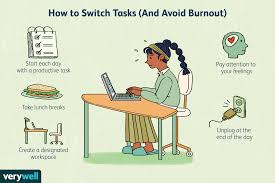
- Take breaks – Constantly working without breaks leads to fatigue and burnout. Schedule short breaks throughout the day to refresh and recharge. A 5-minute walk, stretching, or a short chat with a friend can make a world of difference.
- Engage in hobbies and interests – Taking time for personal activities outside of school can help reduce stress and provide a sense of fulfillment. Whether it’s painting, playing an instrument, or reading, engaging in a hobby can boost mental health and prevent burnout.
3. Build Strong Support Networks
One of the most effective ways to manage school-related stress is to have a solid support system. Talking to friends, family, or a counselor can help alleviate feelings of pressure and isolation. When facing overwhelming stress, it’s easy to feel like you’re alone in your struggles, but having people to talk to can provide comfort, perspective, and encouragement.
- Talk to friends – Reach out to friends who understand what you’re going through. Having someone to share your feelings with can ease the burden of stress.
- Seek help from teachers – Don’t hesitate to ask your teachers for help if you’re struggling with schoolwork. Teachers are there to support students and can offer guidance, resources, or extensions if necessary.
- Counseling services – Many schools offer counseling services to help students cope with academic pressure, anxiety, and other challenges. Speaking to a counselor can help you develop coping strategies and manage stress effectively.
- Family support – Don’t be afraid to talk to your parents or guardians about your feelings. They can offer emotional support and practical advice on how to manage your workload.
4. Learn How to Manage Stress
Stress is an inevitable part of life, especially in school, but it doesn’t have to be overwhelming. Learning how to manage stress effectively can prevent it from developing into burnout.
Here are some stress management techniques to try:
- Practice mindfulness – Mindfulness techniques, such as meditation, deep breathing exercises, or yoga, can help calm the mind and reduce stress. Even taking a few minutes a day to breathe deeply and relax can make a significant difference.
- Break tasks into smaller steps – If a large assignment or exam feels overwhelming, break it down into smaller, more manageable steps. Tackling one piece at a time makes the task feel less intimidating.
- Stay positive – A positive mindset can help reduce stress and increase resilience. Focus on your accomplishments, rather than what you haven’t done. Celebrate small wins and keep reminding yourself that it’s okay to not be perfect.
- Learn to say no – It’s okay to decline additional commitments if you’re already feeling overwhelmed. Overloading yourself with responsibilities can lead to burnout. Prioritize your well-being by saying no to things that aren’t essential.
5. Know When to Seek Professional Help
If you notice that you’re consistently feeling overwhelmed, anxious, or depressed, and none of the above strategies seem to help, it may be time to seek professional support. Mental health is just as important as physical health, and there’s no shame in reaching out for help when you need it.
Speak to a school counselor, therapist, or doctor if you’re struggling with stress, anxiety, or depression. They can help you explore treatment options such as counseling, therapy, or medication if necessary.
Conclusion
Burnout in school is a serious issue that can affect students’ health, well-being, and academic success. By recognizing the signs of burnout early and implementing strategies such as effective time management, maintaining a balanced lifestyle, seeking support, and managing stress, students can avoid burnout and thrive in school.
Remember, it’s okay to ask for help when needed, and taking care of your mental and physical health should always be a priority. With the right strategies and mindset, students can navigate school life successfully while maintaining their well-being