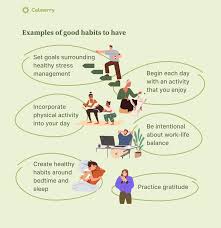

Building healthy habits is essential for a well-balanced life, especially for students. It enables them to stay focused, energized, and successful academically while maintaining physical and mental well-being. Healthy habits not only support academic performance but also enhance the overall quality of life. But how does one build these habits effectively? In this article, we will discuss practical steps to help students cultivate lasting healthy habits for their daily routines.
1. Understand the Importance of Healthy Habits
The first step in building healthy habits is understanding why they are important. Healthy habits affect your physical health, mental well-being, academic success, and overall quality of life. Here are some of the core benefits:
- Physical Health: Good habits like eating a balanced diet, exercising, and getting enough sleep can reduce the risk of chronic diseases such as obesity, diabetes, and heart disease.
- Mental Well-being: Habits like mindfulness, positive thinking, and stress management can reduce anxiety and depression while promoting mental clarity and focus.
- Academic Success: A structured routine with time for studying, reading, and organizing tasks helps improve focus, retention, and overall academic performance.
By building healthy habits, you create a foundation that leads to long-term success.
2. Start Small and Be Specific
One of the biggest mistakes people make when trying to build healthy habits is setting overly ambitious goals. Instead of deciding to change everything about your routine, focus on small, specific habits that you can incorporate into your daily life.
For example, instead of saying, “I want to be healthier,” break that down into achievable steps, like:
- “I will drink 8 glasses of water a day.”
- “I will walk for 15 minutes every morning.”
- “I will aim for 7-8 hours of sleep every night.”
By starting small, you make the habits more manageable and increase the chances of sticking to them.
3. Make Habits a Part of Your Routine
Consistency is key when it comes to habit formation. To create lasting habits, they need to become a regular part of your routine. Integrating your healthy habits into your existing schedule makes it easier to stay consistent.
For example, if you want to develop the habit of exercising every day, try scheduling it at the same time each day, like right after school or work. You can also link the new habit to an existing one. For instance, you can drink a glass of water as soon as you wake up, or you can start your day with 5 minutes of stretching.
By associating new habits with familiar routines, you create a seamless transition to building lasting habits.
4. Set Realistic and Achievable Goals
It’s crucial to set goals that are specific, realistic, and achievable. Aiming for too much too soon can lead to frustration and burnout. Instead, break larger goals down into smaller, manageable milestones.
For instance, instead of committing to 30 minutes of exercise daily right away, start with 10-15 minutes. Once that becomes part of your routine, gradually increase the duration. Similarly, if you’re trying to improve your diet, start with one healthy meal per day and work your way up to making healthier food choices at every meal.
Setting small goals helps you stay motivated and gives you a sense of accomplishment as you progress.
5. Track Your Progress
Tracking your progress is an important step in building healthy habits. It helps you stay accountable and motivated as you can see how far you’ve come. You can track your habits using various methods, such as a journal, a habit-tracking app, or a calendar where you mark off each day you stick to your habit.
Tracking provides visual reinforcement, reminding you that you’re making positive changes and encouraging you to stay committed.
6. Stay Positive and Be Patient
Building healthy habits takes time, and setbacks are a natural part of the process. It’s essential to stay positive and patient. If you slip up and miss a day or two of your new habit, don’t get discouraged. Instead, focus on getting back on track as soon as possible.
Remember, it takes time to form habits, and research shows that it can take anywhere from 21 to 66 days for a new habit to become automatic. So, be patient and kind to yourself as you build your healthy habits.
7. Create a Support System
Building healthy habits is easier when you have support from others. Surround yourself with people who share similar goals, whether it’s eating healthy, exercising, or staying organized. Having a support system not only makes the process more enjoyable but also helps you stay motivated.
If you have friends or family who are also working on their own habits, consider checking in with each other regularly to share progress, challenges, and tips. You can even make it a group activity by doing things together, such as cooking healthy meals, exercising, or studying.
8. Reward Yourself for Success
Rewarding yourself when you reach milestones is a great way to stay motivated and reinforce your commitment to healthy habits. Rewards can be small and simple, such as enjoying your favorite healthy snack after a workout or taking time for a relaxing activity after completing a task.
Make sure the rewards are aligned with your goals. For example, treat yourself to a fun activity after completing a week of consistent study habits or take a break to enjoy a book or a movie after achieving a milestone in your exercise routine.
Rewards create positive associations with the habits you’re building and help you stay motivated.
9. Practice Self-care
Taking care of your mental and emotional well-being is just as important as taking care of your physical health. Practices like mindfulness, meditation, and journaling can help you manage stress and stay focused on your goals.
By integrating self-care practices into your routine, you not only take care of your mental health but also improve your overall resilience, which makes it easier to stay committed to building healthy habits.
10. Learn from Your Challenges
Building healthy habits isn’t always a straight path. You may encounter obstacles such as lack of time, motivation, or unexpected setbacks. Instead of feeling defeated, use these challenges as opportunities for growth. Reflect on what didn’t work and adjust your approach accordingly.
For instance, if you miss a workout because of a busy schedule, reassess your routine to see if you can find a better time to fit in exercise. Learning from these challenges and adjusting your strategy will help you build resilience and make your healthy habits more sustainable in the long run.
11. Make Healthy Habits Fun
Making healthy habits enjoyable is key to sticking with them. If you make your new habits feel like a chore, you’re less likely to follow through. Instead, find ways to make them fun and exciting.
For example, if you want to exercise more, try different types of activities to keep things interesting, such as dancing, swimming, or hiking. If you’re focusing on healthy eating, experiment with new recipes and ingredients to make your meals more enjoyable.
When you enjoy the process, it becomes easier to make healthy habits a long-term part of your lifestyle.
Conclusion
Building healthy habits is a process that requires time, effort, and consistency. By starting small, setting realistic goals, tracking progress, and maintaining a positive mindset, you can create habits that enhance your physical health, mental well-being, and academic performance. Remember, it’s important to stay patient with yourself and focus on making small improvements over time.
As a student, implementing healthy habits into your routine can make a huge difference in your productivity, stress levels, and overall well-being. Whether it’s through proper nutrition, exercise, self-care, or time management, the benefits of healthy habits will support your journey toward success and a fulfilling life.
So, take the first step today and start building habits that will last a lifetime.