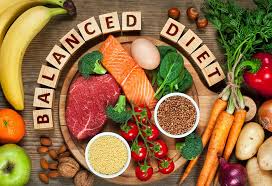

A balanced diet is the foundation of good health and well-being. It provides the necessary nutrients that our bodies need to function properly, supports growth and development, and helps prevent chronic diseases. However, with busy schedules, fast food temptations, and misinformation about dieting trends, maintaining a balanced diet can be a challenge for many. This guide will take you through the essential components of a balanced diet, why it is important, and practical tips on how to maintain it for a healthier lifestyle.
What is a Balanced Diet?
A balanced diet refers to eating a variety of foods in the right proportions to maintain health and energy levels. A well-balanced diet includes:
- Macronutrients:
- Carbohydrates: The body’s main energy source. They are found in foods like bread, rice, pasta, fruits, and vegetables.
- Proteins: Essential for building and repairing tissues, proteins are found in foods like meat, fish, eggs, beans, and nuts.
- Fats: Healthy fats are important for energy, hormone production, and cell function. Good sources include avocados, nuts, seeds, and olive oil.
- Micronutrients:
- Vitamins and Minerals: These are essential for various bodily functions such as immune health, bone health, and energy production. Sources include fruits, vegetables, dairy products, and fortified foods.
- Water: It is essential for digestion, absorption of nutrients, and waste elimination. Proper hydration supports all bodily functions and keeps skin healthy.
Why is a Balanced Diet Important?
A balanced diet is crucial for various reasons:
- Maintaining Healthy Weight: A diet rich in vegetables, fruits, whole grains, and lean proteins helps in weight management and reduces the risk of obesity.
- Preventing Chronic Diseases: A balanced diet can reduce the risk of developing chronic diseases like diabetes, heart disease, and certain cancers.
- Supporting Growth and Development: A balanced diet is especially important during childhood, adolescence, pregnancy, and old age for healthy development.
- Boosting Immunity: Nutrients like vitamins C and D, along with minerals like zinc, strengthen the immune system and protect the body from illnesses.
- Improving Mental Health: What we eat can influence our mental well-being. A balanced diet can improve mood, focus, and cognitive function, reducing the risk of depression and anxiety.
Key Components of a Balanced Diet
- Fruits and Vegetables:
- Aim for at least five servings of fruits and vegetables a day. These foods are rich in vitamins, minerals, fiber, and antioxidants, which are essential for maintaining bodily functions.
- Try to include a variety of colors in your meals. Different colors indicate different nutrients and benefits, such as vitamin A in orange foods (carrots, sweet potatoes) and vitamin C in green and red foods (broccoli, bell peppers).
- Fresh, frozen, and canned vegetables all count, but try to choose whole fruits over fruit juices to get the maximum fiber content.
- Whole Grains:
- Whole grains like brown rice, whole wheat bread, quinoa, and oats provide fiber, B vitamins, and minerals like iron and magnesium.
- Unlike refined grains, whole grains maintain their fiber and nutrient content, which helps to regulate blood sugar levels, support digestion, and provide long-lasting energy.
- Proteins:
- Protein is essential for growth, repair, and maintenance of body tissues. It is also needed for the production of enzymes and hormones.
- Include a variety of protein sources in your diet, such as lean meats (chicken, turkey), fish (salmon, tuna), beans, legumes, tofu, and nuts.
- For plant-based eaters, combining different plant proteins (such as beans with rice) ensures all the essential amino acids are present.
- Healthy Fats:
- Not all fats are created equal. Opt for healthy fats, such as those found in nuts, seeds, avocados, olive oil, and fatty fish (like salmon and mackerel).
- Omega-3 fatty acids, found in fish and certain plant oils, have anti-inflammatory properties and promote heart health.
- Dairy or Dairy Alternatives:
- Dairy products such as milk, cheese, and yogurt are rich in calcium, vitamin D, and protein. These nutrients are crucial for bone health, muscle function, and overall well-being.
- For those who are lactose intolerant or follow a vegan diet, fortified plant-based alternatives such as almond milk, soy milk, and coconut yogurt are excellent options.
- Water:
- Water is vital for the proper functioning of every cell in the body. It aids in digestion, nutrient absorption, and waste removal.
- Aim to drink at least 8 cups (2 liters) of water per day, more if you are physically active or live in a hot climate.
- Limit sugary drinks, as they provide unnecessary calories without any essential nutrients.
Tips for Maintaining a Balanced Diet
- Plan Your Meals:
- One of the best ways to maintain a balanced diet is to plan your meals ahead of time. This helps you ensure you include a variety of foods from all the food groups and avoid last-minute unhealthy choices.
- Consider preparing meals in advance, especially if you have a busy lifestyle. This way, you always have healthy options available.
- Portion Control:
- Maintaining a balanced diet isn’t just about the types of food you eat but also the quantities. Overeating, even healthy foods, can lead to weight gain.
- Use smaller plates to help control portion sizes, and aim to fill half your plate with fruits and vegetables. The rest should be divided between protein and whole grains.
- Mindful Eating:
- Pay attention to what you are eating. Eating mindfully helps you enjoy your food more, reduces overeating, and helps you recognize when you are full.
- Avoid distractions like watching TV or using your phone while eating. Focus on the taste, texture, and smell of your food.
- Limit Processed and Sugary Foods:
- Processed foods and sugary snacks can be high in empty calories, unhealthy fats, and added sugars, which contribute to weight gain and increase the risk of chronic diseases.
- Instead, choose whole foods like fruits, vegetables, nuts, and seeds, which are naturally low in unhealthy fats and high in essential nutrients.
- Cook at Home:
- Preparing meals at home gives you control over the ingredients and portion sizes. It’s often healthier and more affordable than eating out.
- Experiment with new recipes and make use of healthy ingredients such as herbs, spices, and vegetables to enhance the flavor of your meals.
- Balance Your Nutrient Intake:
- Make sure your meals are balanced. For instance, a meal should include a portion of protein (like chicken or tofu), a serving of vegetables (such as spinach or broccoli), a whole grain (like brown rice or quinoa), and a healthy fat (like olive oil or avocado).
- Avoid eating only one food group. A variety of foods ensures that you get a range of nutrients essential for your body’s health.
- Snack Wisely:
- Snacks can be an important part of your diet when chosen wisely. Healthy snacks like fruits, nuts, yogurt, or whole-grain crackers with hummus can keep your energy levels stable throughout the day.
- Avoid reaching for sugary or salty snacks like chips, cookies, or candy. These provide little nutritional value and can lead to unhealthy weight gain.
- Stay Active:
- Physical activity supports overall health and helps maintain a healthy weight. It also improves circulation, boosts mood, and reduces stress.
- Combine aerobic exercise (like walking, running, or swimming) with strength training (like weightlifting or yoga) for the best results.
Conclusion
Maintaining a balanced diet is a vital part of a healthy lifestyle. By incorporating a variety of foods from all the food groups, practicing portion control, and being mindful of your choices, you can support your body’s growth, development, and long-term health. Whether you are a student, working professional, or parent, making small, consistent changes to your eating habits can lead to lasting benefits, from improved energy levels to reduced risk of chronic diseases. Remember, a balanced diet doesn’t mean perfection—it’s about making more health-conscious choices in your daily life and enjoying a variety of nutritious foods.
By staying informed and committed to balanced eating, you can fuel your body for success in all areas of life. So, start today—one balanced meal at a time!