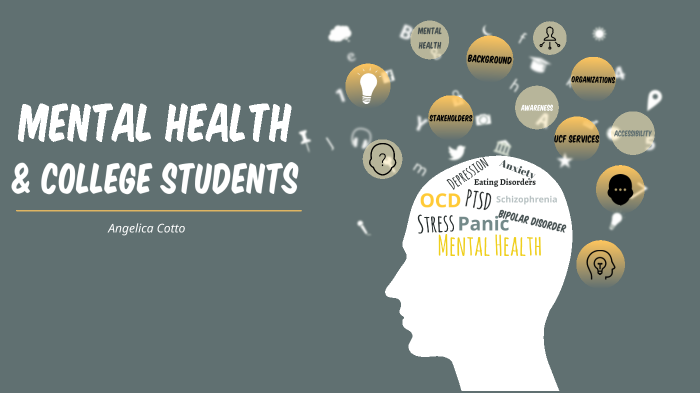

Mental health is an essential component of overall well-being, yet it often goes unaddressed or underappreciated, particularly in the college environment. College is a transformative time in a young person’s life—full of new experiences, challenges, and opportunities for growth. However, it also brings its own set of pressures, including academic stress, social adjustment, and the development of personal identity. With all these factors at play, it is crucial to understand how mental health impacts college students and what can be done to support students in managing their well-being effectively.
The Importance of Mental Health for College Students
Mental health affects every aspect of an individual’s life—emotional, psychological, and social well-being. For college students, mental health plays a crucial role in their ability to succeed academically, form healthy relationships, and manage stress. Mental health issues among students can lead to difficulty concentrating, making decisions, and managing relationships, which in turn impacts their overall college experience.
According to the American College Health Association (ACHA), a significant percentage of college students experience mental health challenges. Research indicates that 1 in 3 college students experiences some form of mental health issue during their time in school. Common mental health concerns include anxiety, depression, and stress, but many students also experience conditions such as eating disorders, substance abuse, and insomnia.
Common Mental Health Issues Faced by College Students
- Anxiety: College students often face anxiety related to academic performance, social interactions, and future career plans. The pressure to succeed academically can create a constant sense of worry or fear, and the transition to a new environment can amplify these feelings. Generalized anxiety disorder (GAD) and social anxiety are common among students, affecting their ability to engage in classes, participate in social events, and build relationships.
- Depression: Depression is another prevalent mental health condition among college students. Symptoms of depression can include persistent feelings of sadness, hopelessness, and lack of motivation, making it difficult to perform daily tasks, including schoolwork. Depression can significantly impact a student’s academic performance, their ability to socialize, and their overall quality of life.
- Stress: College students face numerous stressors, such as deadlines, exams, financial pressure, and the balancing act between academics and extracurricular activities. This stress can lead to burnout, insomnia, and physical health problems such as headaches, stomach issues, or muscle tension. Prolonged stress can increase vulnerability to other mental health issues, including anxiety and depression.
- Substance Abuse: Stress and social pressures can lead some students to turn to substances such as alcohol, drugs, or prescription medication as a coping mechanism. Substance abuse often exacerbates mental health problems, leading to a vicious cycle that can negatively affect both academic performance and personal relationships.
- Eating Disorders: College is also a time when students may face body image issues and develop eating disorders such as anorexia, bulimia, or binge-eating. The stress of adjusting to new environments, academic pressures, and social media influences can contribute to the development of unhealthy eating patterns and body dissatisfaction.
- Sleep Disorders: Sleep is a critical component of mental health. However, many students struggle with getting enough rest due to academic pressures, social events, and late-night study sessions. Sleep deprivation can impair cognitive function, mood regulation, and overall health, contributing to heightened anxiety and depression.
The Impact of Mental Health Issues on College Life
Mental health issues can interfere with students’ academic success and personal development. Students experiencing anxiety, depression, or other conditions may struggle to focus in class, complete assignments on time, or engage in social activities. This can result in lower grades, feelings of isolation, and a diminished college experience.
Additionally, poor mental health can affect relationships with peers, faculty, and family members. Students with untreated mental health concerns may experience social withdrawal, communication problems, and difficulty navigating interpersonal dynamics. This isolation can further exacerbate their mental health challenges and hinder their ability to seek support.
Mental health also plays a role in students’ future career prospects. Mental health struggles can limit a student’s ability to network, participate in internships, and take advantage of other opportunities that may contribute to their professional development. Addressing mental health early can help students not only manage current challenges but also build resilience and coping strategies that will benefit them in their future careers.
Recognizing the Signs of Mental Health Issues
It is essential to recognize the early warning signs of mental health issues in college students so that intervention can take place before the situation worsens. Some common signs that a student may be struggling with their mental health include:
- Persistent feelings of sadness, hopelessness, or emptiness
- Increased withdrawal from friends and family
- Difficulty concentrating, completing assignments, or attending classes
- Drastic changes in sleep or eating habits
- A drop in academic performance
- Increased use of alcohol, drugs, or other substances
- Frequent physical complaints (e.g., headaches, stomachaches)
- Unexplained mood swings or irritability
- Thoughts of self-harm or suicide
Students who experience these signs should be encouraged to seek professional help, whether through campus counseling services, local mental health professionals, or helplines.
Strategies for Managing Mental Health in College
While mental health challenges are common, they are also manageable. Students can adopt various strategies to help improve and maintain their mental well-being throughout their college years.
- Seeking Professional Support: One of the most effective ways to address mental health issues is to seek professional help. College campuses often have counseling services that offer individual therapy, group therapy, and wellness programs. Students should feel encouraged to take advantage of these resources and seek guidance from mental health professionals trained to provide support.
- Building a Support Network: Strong social connections are critical to mental well-being. Building relationships with friends, family, professors, and peers provides a support network that can help students cope with challenges. Regular communication and sharing concerns can alleviate feelings of isolation and promote emotional well-being.
- Practicing Stress Management Techniques: Learning how to manage stress is key to maintaining mental health in college. Techniques such as mindfulness, deep breathing exercises, progressive muscle relaxation, and yoga can help students manage anxiety and stress. Time management skills are also vital, as creating a structured schedule can prevent the feeling of being overwhelmed by academic or personal demands.
- Engaging in Physical Activity: Regular physical exercise has been shown to reduce symptoms of depression, anxiety, and stress. Students should try to incorporate physical activity into their daily routine, whether through jogging, cycling, yoga, or playing sports. Exercise promotes the release of endorphins, which improve mood and energy levels.
- Getting Enough Sleep: Sleep is essential for maintaining good mental health. Students should aim for 7–9 hours of sleep per night to help restore cognitive function, regulate emotions, and improve overall health. Prioritizing sleep hygiene, such as avoiding screens before bedtime, maintaining a consistent sleep schedule, and creating a restful environment, can promote better sleep.
- Limiting Substance Use: To maintain mental well-being, students should be mindful of their alcohol and drug use. Overuse of substances can worsen mental health problems and interfere with academic and social functioning. Students should practice moderation and avoid using substances as a means of coping with stress or anxiety.
- Participating in Campus Activities: Engaging in extracurricular activities, clubs, or volunteer opportunities can help students develop a sense of belonging and improve their mental health. These activities provide a break from academic pressures, create opportunities for socializing, and promote a balanced lifestyle.
Supporting Mental Health on College Campuses
While students play a crucial role in managing their mental health, colleges and universities also have a responsibility to create supportive environments. Campus mental health services should be accessible, confidential, and staffed by trained professionals. Additionally, colleges should foster a campus culture that prioritizes mental well-being and destigmatizes seeking help.
Faculty and staff can help by creating supportive classroom environments, encouraging open conversations about mental health, and referring students to appropriate resources when necessary. Peer support programs, where students can offer emotional support to one another, can also be valuable in promoting mental health awareness and creating a sense of community.
Conclusion
Mental health is a critical issue for college students, impacting their academic success, personal relationships, and overall well-being. By recognizing the signs of mental health challenges and adopting strategies for managing stress, anxiety, and depression, students can better navigate the challenges of college life. It is equally important for colleges and universities to provide resources and support systems to help students thrive academically and emotionally. With the right tools and support, students can build resilience, maintain good mental health, and create a fulfilling college experience