
By Study Rhino
Literature is more than just words strung together to tell a story—it’s a reflection of life, emotions, history, culture, and imagination. Among the many tools that authors use to enrich their writing, symbolism stands out as one of the most powerful. It allows writers to convey complex ideas, provoke deep thought, and engage readers on multiple levels.
In this article, we’ll explore what symbolism is, why it matters in literature, and how it shapes some of the most memorable works in the literary world. Whether you’re a student, a budding writer, or just a curious reader, understanding symbolism can deepen your appreciation of books and stories.
What is Symbolism?
Symbolism is a literary device where a symbol—typically a person, object, place, event, or even a color—represents something beyond its literal meaning. Instead of stating ideas directly, writers use symbolism to suggest them, letting readers interpret and uncover deeper layers of meaning.
For example:
- A rose might symbolize love or beauty.
- A storm might symbolize chaos or emotional turmoil.
- The color white might represent purity or innocence.
By embedding symbols in their work, authors invite readers to read between the lines and explore meanings that aren’t explicitly spelled out.
Why Do Authors Use Symbolism?
Symbolism serves several purposes in literature. Let’s look at some of the main reasons:
- To Add Depth and Layers
A story that uses symbolism can operate on multiple levels. While the plot may entertain, the symbols provide a second narrative beneath the surface. This encourages readers to engage more thoughtfully with the text.
- To Express Abstract Ideas
Concepts like freedom, justice, hope, and death are difficult to describe directly. Symbolism provides a way to express these abstract ideas through tangible elements. A bird in flight might represent freedom, while a broken chain might symbolize liberation.
- To Create Mood and Atmosphere
Symbols can shape the emotional tone of a story. For instance, a recurring dark forest in a novel might evoke fear, mystery, or the unknown.
- To Connect Themes and Motifs
Symbols help unify a story’s themes. When a symbol appears throughout a work, it ties together events, character arcs, and ideas, making the narrative feel cohesive and intentional.
- To Encourage Interpretation
Symbolism turns reading into an active process. Instead of being passive recipients, readers become detectives, uncovering meanings and forming personal connections with the text.
Types of Symbolism in Literature
Symbolism can take many forms, and recognizing them can enhance your reading experience.
- Conventional Symbols
These are symbols that carry widely recognized meanings. Examples include:
- Hearts (love)
- Doves (peace)
- Skulls (death)
Because these symbols are commonly understood, they help readers quickly grasp underlying messages.
- Personal Symbols
Authors sometimes create unique symbols that hold specific meaning within a story. These symbols might not be universally recognized but gain significance through context and repetition. For example, in The Catcher in the Rye, Holden’s red hunting hat becomes a symbol of his individuality and protection.
- Cultural or Religious Symbols
These symbols draw from specific cultures, religions, or belief systems. For instance, the lotus flower in Eastern traditions can symbolize enlightenment and rebirth, while the cross in Christian literature often symbolizes sacrifice and salvation.
- Natural Symbols
Elements of nature—like seasons, animals, and weather—are often symbolic. For example:
- Spring = new beginnings
- Winter = death or stagnation
- Rain = cleansing or sadness
Symbolism in Classic Literature
To better understand symbolism, let’s look at a few famous literary works where symbols play a crucial role.
- “The Great Gatsby” by F. Scott Fitzgerald
This novel is rich with symbolism. A few notable examples:
- The green light at the end of Daisy’s dock symbolizes Gatsby’s hope and dreams.
- The eyes of Doctor T. J. Eckleburg represent the loss of spiritual values in America.
- The valley of ashes reflects the moral decay hidden behind the glamor of the wealthy.
- “Lord of the Flies” by William Golding
This novel explores the descent into savagery among a group of boys stranded on an island.
- The conch shell represents order and democracy.
- The “beast” symbolizes the primal fear and darkness within humanity.
- Piggy’s glasses symbolize intellect and rationality.
- “To Kill a Mockingbird” by Harper Lee
- The mockingbird symbolizes innocence and goodness. The line “it’s a sin to kill a mockingbird” reflects the wrongness of harming those who do no harm to others.
- “Animal Farm” by George Orwell
This political allegory uses animals to symbolize real-world figures and ideologies.
- The pigs symbolize corrupt leaders.
- The windmill symbolizes manipulation and empty promises of progress.
How to Identify Symbolism in a Text
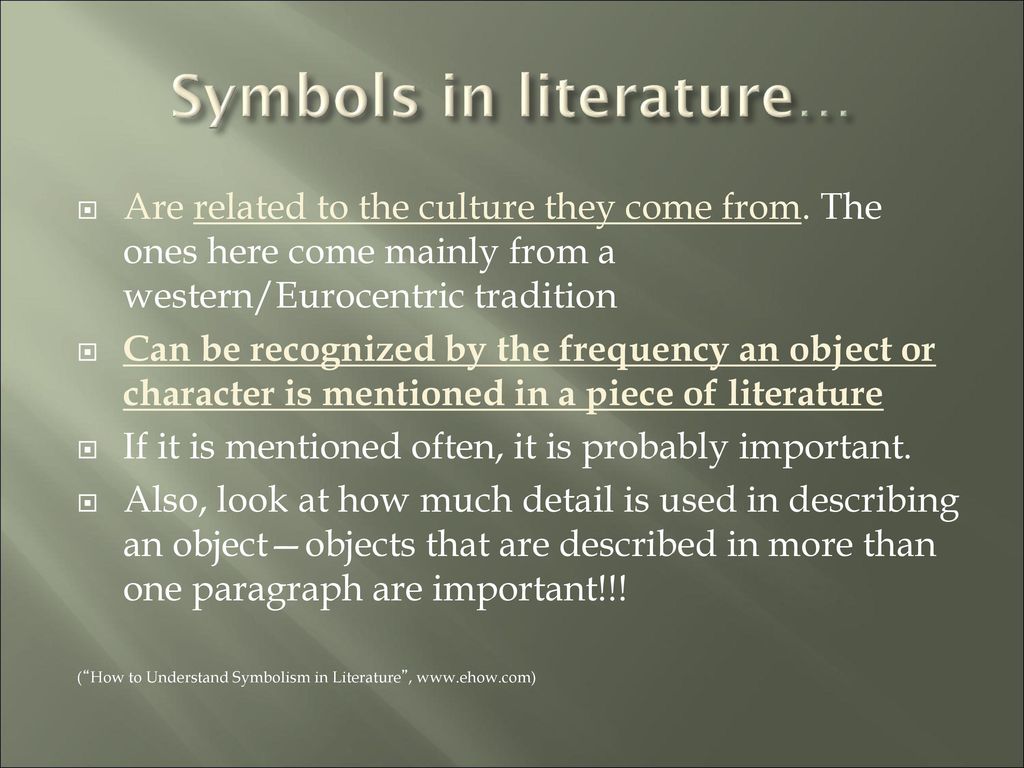
Recognizing symbolism takes practice. Here are a few tips:
- Pay Attention to Repetition
If something appears frequently—whether it’s an object, color, or phrase—it might be symbolic.
- Look for Unusual Details
If a detail feels out of place or unusually emphasized, the author may be signaling its deeper meaning.
- Consider the Context
Think about the broader themes of the story. How might a particular element reflect or reinforce those themes?
- Reflect on Emotions
Symbols often evoke emotions. If a scene or object stirs a particular feeling, ask yourself why.
- Use Background Knowledge
Knowing historical, cultural, or biographical information about the author can provide clues. For instance, understanding that George Orwell had strong views on authoritarian regimes can help decode the symbolism in Animal Farm.
The Role of Symbolism in Modern and Young Adult Literature
Symbolism isn’t limited to classic literature. It thrives in contemporary works too, including those written for young adults.
In “Harry Potter” by J.K. Rowling:
- The scar on Harry’s forehead symbolizes his connection to Voldemort and the burden of destiny.
- The Sorting Hat represents choice and identity.
- The Deathly Hallows symbolize the quest for power and the human desire to overcome death.
In “The Hunger Games” by Suzanne Collins:
- The mockingjay becomes a symbol of rebellion.
- The arena represents the cruelty of entertainment and control.
- Bread—especially when given by Peeta—symbolizes hope and kindness.
These symbols help create rich, relatable stories with universal appeal, encouraging readers to think critically about society, power, and human nature.
Why Symbolism Matters for Students
As a student, learning about symbolism isn’t just useful for passing exams or writing essays. It cultivates essential skills like:
- Critical Thinking
Interpreting symbols encourages you to analyze, question, and think beyond the obvious.
- Creative Thinking
Understanding symbolism can inspire your own storytelling and writing.
- Cultural Literacy
Symbols are often rooted in cultural or historical contexts. Studying them broadens your worldview.
- Empathy
Symbolism allows you to see the world through different perspectives, fostering emotional intelligence and understanding.
How to Use Symbolism in Your Own Writing
If you’re a student writer, you can use symbolism to add sophistication to your stories or poems. Here’s how:
- Start simple: Choose one symbol and build meaning around it.
- Make it meaningful: Ensure your symbol connects to your theme or character journey.
- Don’t overdo it: Subtlety is key. Let readers discover the meaning naturally.
- Be consistent: If you introduce a symbol, use it throughout to reinforce its significance.
Example: A character who carries a rusty key might be seeking freedom or unlocking a painful memory. The key becomes more than an object—it becomes a metaphor.
Conclusion
Symbolism is one of literature’s most elegant tools. It transforms stories into meaningful experiences, giving readers something to ponder long after the last page is turned. From ancient epics to modern novels, symbolism helps us see the invisible, feel the unspoken, and understand the world a little better.
At Study Rhino, we believe that understanding literary devices like symbolism doesn’t just make you a better reader—it makes you a better thinker. So the next time you dive into a book, keep an eye out for symbols. You might just uncover a whole new world hiding in plain sight.