
Childhood is often considered the most crucial period in a person’s life for growth and development. It is during these formative years that children acquire the foundational skills, habits, and behaviors that will shape their futures. Among the many components that contribute to a child’s overall development, one of the most essential — yet often underestimated — is play.
Play is far more than just a way for children to pass time or entertain themselves. It is a powerful tool for learning, exploration, and self-expression. Through various forms of play, children develop critical life skills such as problem-solving, creativity, emotional intelligence, communication, and social understanding. In this article, we’ll explore the multiple dimensions of play and examine its impact on different aspects of child development.
1. What is Play?
Before understanding its role, it’s important to define what we mean by “play.” Play can be described as any activity that is voluntary, enjoyable, and done for its own sake. It is self-directed and often involves imagination, physical engagement, or interaction with others.
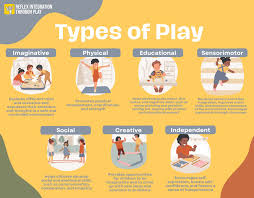
There are various types of play, including:
- Physical play (running, jumping, climbing)
- Constructive play (building with blocks, puzzles)
- Pretend or imaginative play (role-playing, storytelling)
- Social play (games with rules, group play)
- Symbolic play (drawing, music, creative expression)
Each type of play has its unique benefits and contributes to different developmental domains.
2. Cognitive Development through Play
Play is one of the most effective ways to enhance cognitive abilities in children. When children engage in play, they are naturally exposed to problem-solving situations, memory exercises, and decision-making challenges.
a. Problem Solving and Critical Thinking
Games like puzzles, construction sets, and strategy-based activities encourage children to think critically. They must experiment, hypothesize, and adjust strategies, which sharpens their analytical skills.
b. Language Development
Pretend play, especially role-playing scenarios such as playing “school” or “house,” helps children expand their vocabulary. They learn to communicate thoughts, negotiate roles, and follow conversations, which enhances their verbal and listening skills.
c. Creativity and Imagination
Open-ended play allows children to invent stories, create imaginary friends, or build fantasy worlds. These imaginative exercises fuel creativity, which is essential not only in arts but also in problem-solving and innovation later in life.
3. Social Development and Emotional Intelligence
Play is a social activity. Even when children play alone, they often imitate social interactions. More often, however, play brings children together, allowing them to learn essential social rules and skills.
a. Collaboration and Teamwork
Group games teach children how to work with others. Whether it’s building a sandcastle together or playing a team sport, kids learn the importance of cooperation, sharing, and turn-taking.
b. Understanding Emotions
Through role-play or storytelling, children begin to understand emotions — both their own and those of others. They learn to express joy, frustration, empathy, and disappointment in a safe environment.
c. Conflict Resolution
Disagreements often arise during play, especially in group settings. These moments teach children negotiation skills and how to resolve disputes peacefully.
4. Physical Development through Play
Physical activity is essential for healthy growth, and play provides natural opportunities for movement.
a. Gross Motor Skills
Running, jumping, climbing, and dancing strengthen large muscle groups and improve balance and coordination. Outdoor play, in particular, contributes significantly to overall physical fitness.
b. Fine Motor Skills
Activities like coloring, threading beads, or playing with small toys improve hand-eye coordination and fine motor control. These skills are later crucial for writing, typing, and everyday tasks.
c. Health and Well-being
Physical play promotes cardiovascular health, builds stamina, and helps prevent childhood obesity. It also enhances sleep quality and reduces stress — a major benefit in today’s fast-paced world.
5. The Emotional and Psychological Benefits of Play
Play allows children to express themselves freely and cope with the world around them.
a. Stress Relief
Even children experience stress — whether from school, family issues, or social pressures. Play provides a mental break and allows kids to unwind and recharge.
b. Building Confidence
When children successfully complete a puzzle, score a goal, or tell a funny story, they feel accomplished. These small victories build self-esteem and encourage a positive self-image.
c. Resilience and Risk-Taking
In games, children learn that failure is not final. If they fall, they get up; if they lose, they try again. This resilience builds emotional strength and a healthy attitude toward challenges.
6. Play in Educational Settings
Modern education recognizes the value of play in learning. Many early childhood curriculums now include play-based learning — a method where structured activities are designed to teach through play.
a. Montessori and Waldorf Approaches
These educational philosophies emphasize hands-on, self-directed play. Children learn academic and life skills in a nurturing, non-competitive environment that respects their individuality.
b. STEM Learning through Play
Educational toys like robotics kits, coding games, or science kits make complex concepts accessible and fun. Children begin to associate learning with enjoyment, which improves retention and motivation.
c. Inclusive Play
Play also creates opportunities for children of all abilities to learn together. Adaptive toys and inclusive playgrounds promote empathy, respect, and a sense of belonging.
7. Parental and Caregiver Involvement in Play
Parents and caregivers play a critical role in supporting and enhancing the quality of play.
a. Creating a Safe Environment
Providing safe spaces for play — both indoors and outdoors — is the first step. A child-friendly environment encourages exploration without fear of injury or reprimand.
b. Participating in Play
When adults join in play, it strengthens the parent-child bond and enhances the experience. Storytime, board games, or a simple game of catch can become treasured memories and teaching moments.
c. Limiting Screen Time
In the digital age, it’s tempting to substitute real play with screen-based entertainment. While educational apps can be useful, they should not replace hands-on, interactive play that involves real-world engagement.
8. The Impact of Technology on Play
Technology is transforming the way children play — sometimes for better, sometimes for worse.
a. Pros
- Interactive apps and games can boost cognitive skills.
- Virtual reality can offer immersive learning experiences.
- Online multiplayer games can foster teamwork and strategy.
b. Cons
- Excessive screen time can hinder physical activity.
- Passive entertainment (like endless video watching) reduces creativity.
- Digital play may limit real-world social interaction and emotional growth.
The key is to strike a balance — using technology as a supplement, not a substitute, for traditional forms of play.
9. Barriers to Play
Several factors can limit children’s opportunities to engage in meaningful play:
- Overscheduling: Too many structured activities leave little time for free play.
- Academic Pressure: In some education systems, play is undervalued compared to test performance.
- Urban Living: Lack of safe outdoor spaces can restrict physical play.
- Parental Workload: Busy schedules may prevent adults from actively engaging in their child’s playtime.
Recognizing these barriers and finding creative solutions is vital for ensuring every child has access to the benefits of play.
10. Conclusion: Making Play a Priority
Play is not a luxury. It is a vital, natural part of childhood that supports every area of development — intellectual, physical, emotional, and social. Through play, children learn how to think, feel, interact, and understand the world around them.
As parents, educators, and policymakers, we must recognize the importance of preserving time and space for play. Whether it’s running through a park, solving a jigsaw puzzle, pretending to be superheroes, or building a Lego city, each playful moment contributes to a child’s growth in profound ways.
Investing in play is investing in the future — because the children who are allowed to play freely today will become the confident, capable, and creative leaders of tomorrow.
By Study Rhino – Because Every Child’s Learning Journey Matters
Would you like this formatted for web or blog publishing? I can also create a visual layout or add relevant images/infographics if needed.