
In today’s fast-paced world, where technology keeps us constantly connected and workloads seem never-ending, achieving a healthy work-life balance has become increasingly challenging. However, maintaining this balance is crucial not just for productivity but for overall well-being. At Study Rhino, we believe that understanding and applying the principles of work-life balance can lead to a more fulfilling, successful, and sustainable lifestyle.
What Is Work-Life Balance?
Work-life balance refers to the equilibrium between professional responsibilities and personal life. It means allocating appropriate time and energy to both work and leisure, ensuring that neither is neglected. A well-balanced life allows individuals to meet career goals while also taking care of their mental health, relationships, hobbies, and other personal interests.
Contrary to popular belief, work-life balance is not about working less—it’s about working smart and making conscious choices that support both personal happiness and professional growth.
Why Is Work-Life Balance Important?
1. Improves Mental Health
One of the most significant benefits of work-life balance is improved mental health. Overworking or constantly being “on-call” can lead to stress, anxiety, and burnout. Taking time to relax, spend time with family, or engage in activities outside work helps reduce stress and recharge mentally.
According to the World Health Organization, burnout is a syndrome resulting from chronic workplace stress. Symptoms include exhaustion, negative feelings about one’s job, and reduced effectiveness at work. Maintaining balance can prevent these symptoms and promote better mental well-being.
2. Boosts Physical Health
A balanced lifestyle encourages healthier habits. People who manage their time well are more likely to exercise regularly, eat nutritious meals, and get adequate sleep. On the other hand, those who are constantly working may skip meals, neglect exercise, or sacrifice sleep, which can lead to long-term health issues like obesity, heart disease, and diabetes.
3. Increases Productivity
You might think that working longer hours leads to higher output. However, studies show that overworked employees often experience a decline in productivity. Fatigue, lack of motivation, and reduced focus can negatively impact work performance. On the contrary, well-rested individuals with balanced lives tend to be more efficient, creative, and focused during working hours.
4. Enhances Relationships
Personal relationships often suffer when work consumes all our time and energy. Missing family dinners, skipping social events, or constantly checking emails during quality time can distance us from loved ones. A healthy balance ensures that relationships with family and friends remain strong, providing emotional support and reducing feelings of isolation.
5. Encourages Personal Development
A fulfilling life isn’t just about climbing the corporate ladder—it’s also about personal growth. Having time for hobbies, learning new skills, or engaging in community activities enriches life beyond work. This balance not only adds joy but also contributes to a well-rounded personality.
The Modern Challenges to Work-Life Balance
1. Remote Work and Technology
While remote work has offered flexibility, it has also blurred the boundaries between home and office. Emails at midnight, meetings during lunch, or working on weekends have become normalized. The “always-on” culture makes it harder to disconnect, leading to exhaustion.
2. High Expectations and Workload
Employers often expect employees to go beyond regular hours to meet deadlines or achieve targets. Coupled with job insecurity, many individuals hesitate to take breaks or set boundaries, fearing it may impact their performance reviews or career growth.
3. Societal Pressures
Society often glorifies being busy. The notion that long hours equal success pressures individuals to overwork, sacrificing personal time. Social media can also play a role by showcasing curated images of “perfect” careers, families, or lifestyles, which can create unrealistic expectations.
Strategies to Achieve Work-Life Balance
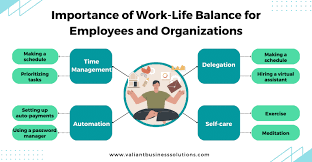
Achieving work-life balance is a personal journey, but some practical strategies can help:
1. Set Boundaries
Clearly define work hours and stick to them. Avoid checking work emails or taking calls outside of these hours unless it’s urgent. Let your colleagues and clients know about your availability to set expectations.
2. Prioritize Tasks
Not everything needs to be done immediately. Use tools like the Eisenhower Matrix or simple to-do lists to prioritize tasks. Focus on what’s urgent and important, and delegate or delay less critical tasks.
3. Take Breaks
Regular breaks throughout the workday improve focus and reduce fatigue. Step away from the desk, take a walk, or do breathing exercises. Even a short break can help reset your mind and boost productivity.
4. Use Technology Wisely
Turn off non-essential notifications. Use apps that help manage time effectively, such as calendar planners or productivity trackers. Avoid mixing personal and work devices when possible to maintain separation.
5. Make Time for Yourself
Schedule personal time just like work meetings. Whether it’s reading, painting, going for a jog, or watching a movie, give yourself permission to relax and enjoy.
6. Talk to Your Employer
If work is consistently overwhelming, have an open conversation with your manager or HR department. Discuss flexible working options, workload distribution, or mental health resources. Most modern workplaces value employee well-being and will be willing to accommodate reasonable requests.
7. Learn to Say No
Taking on too much leads to burnout. Learn to say no politely when your plate is full. This applies both at work and in personal life.
Work-Life Balance for Students
Work-life balance isn’t just an adult concern—students need it too. With academic pressures, extracurriculars, part-time jobs, and social lives, students often feel overwhelmed. Maintaining a balance helps students perform better academically and enjoy their personal lives.
Tips for Students:
- Create a study schedule and stick to it.
- Avoid multitasking. Focus on one task at a time.
- Get enough sleep and eat healthy.
- Involve in hobbies or sports to relax.
- Take breaks and spend time with friends or family.
Role of Employers and Educational Institutions
Promoting work-life balance is a shared responsibility. While individuals must take initiative, employers and institutions play a crucial role.
What Employers Can Do:
- Encourage flexible working hours or remote work.
- Offer wellness programs or mental health days.
- Promote a culture where taking breaks is acceptable.
- Ensure workloads are manageable and fair.
What Schools and Colleges Can Do:
- Teach time management and stress management skills.
- Avoid overloading students with unnecessary assignments.
- Promote extracurricular activities as part of a holistic education.
- Encourage open discussions on mental health and well-being.
The Long-Term Benefits of Work-Life Balance
When work-life balance becomes a lifestyle, the benefits extend beyond the immediate. Long-term effects include:
- Career longevity: Reduced risk of burnout ensures a sustainable career path.
- Better decision-making: A well-rested mind makes better professional and personal decisions.
- Higher job satisfaction: Balanced employees are generally happier and more satisfied at work.
- Stronger personal relationships: Quality time leads to deeper connections with loved ones.
- Improved overall life satisfaction: A sense of control and fulfillment in all areas of life enhances overall happiness.
Conclusion
Work-life balance is not a luxury—it’s a necessity. Whether you are a professional, a student, a teacher, or a parent, finding that sweet spot between responsibilities and relaxation can transform your life. It leads to better health, stronger relationships, higher productivity, and most importantly, a happier you.
At Study Rhino, we believe in nurturing not just academic or career success but also overall well-being. Striving for work-life balance is one of the smartest, kindest things you can do for yourself.
So take a deep breath, re-evaluate your routine, and start making those small changes today. Your future self will thank you.
Would you like a short version of this article or a graphic summary to go along with it?