
By Study Rhino
In an age where innovation drives every industry, nurturing skills in Science, Technology, Engineering, and Mathematics (STEM) has become more important than ever. At Study Rhino, we believe that introducing STEM education at the elementary level is crucial to developing the problem-solvers, critical thinkers, and innovators of tomorrow. But teaching STEM to young learners isn’t just about science experiments or coding games—it’s about cultivating curiosity and showing students how the world works.
This article explores the importance of teaching STEM to elementary students, effective strategies for educators, and practical activities that can make STEM exciting and accessible for all.
Why STEM Matters in Elementary Education
1. Lays a Strong Foundation Early On
Elementary years are a formative period when children are naturally curious. STEM education at this stage can build a strong base of understanding and interest before students form rigid perceptions about their academic abilities.
2. Encourages Problem-Solving and Critical Thinking
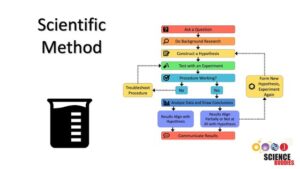
STEM activities challenge students to analyze problems, hypothesize solutions, and test outcomes—skills that are critical not just in science but in life.
3. Promotes Interdisciplinary Learning
STEM integrates multiple subjects rather than teaching them in isolation. A project might combine science, math, reading, and technology, helping students make connections across disciplines.
4. Fosters Collaboration and Communication
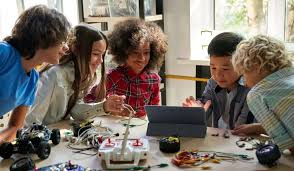
Working on STEM challenges in groups encourages teamwork and communication. Students learn to share ideas, listen to others, and build on peer contributions.
5. Bridges the Gender and Opportunity Gap
Early exposure to STEM helps break down stereotypes about who “belongs” in science or math. It also gives students from diverse backgrounds the chance to explore high-demand fields early in their academic journey.
Core Elements of STEM for Young Learners
Teaching STEM to elementary students involves simplifying complex concepts and engaging students in hands-on learning. Here are the core components of STEM, and how each can be adapted for early education:
Science
Focus on observation, inquiry, and exploration. Topics can include weather patterns, plants, animals, water cycles, and physical properties.
Examples:
- Observing how plants grow in sunlight vs. shade.
- Conducting simple experiments like mixing baking soda and vinegar.
Technology
Introduce basic digital literacy, responsible use of devices, and simple programming concepts using kid-friendly tools.
Examples:
- Learning to use tablets for research or creative storytelling.
- Using block-based coding apps like ScratchJr.
Engineering
Encourage building, designing, and problem-solving through hands-on challenges.
Examples:
- Designing bridges with straws and tape.
- Building marble runs to learn about motion and force.
Mathematics
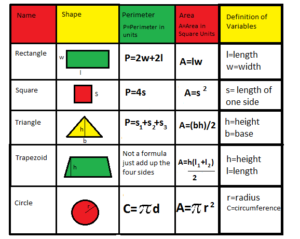
Reinforce counting, patterns, measurement, and data collection in fun and contextual ways.
Examples:
- Graphing favorite snacks or weather over a week.
- Using measuring cups to learn about volume and capacity.
Strategies for Teaching STEM in Elementary Schools
At Study Rhino, we believe that STEM learning should be fun, inquiry-driven, and inclusive. Here are some effective strategies to make STEM engaging and successful in elementary classrooms:
1. Start with Questions, Not Answers
Children are natural questioners. Begin lessons with a question or problem rather than a lecture. For example: “Why do some objects float and others sink?” This stimulates curiosity and encourages exploration.
2. Use Hands-On, Minds-On Activities
Learning by doing helps cement concepts. Simple, tangible experiments and building tasks give students the chance to see theories in action.
3. Integrate STEM with Literacy
Pair STEM topics with storybooks to enhance engagement and comprehension. Books like Rosie Revere, Engineer or Ada Twist, Scientist can inspire young learners.
4. Connect to Real-World Contexts
Relate STEM concepts to everyday life. Teach math through cooking, or science through studying the school garden. This helps students understand the relevance of what they’re learning.
5. Incorporate Technology Thoughtfully
Use technology not just for the sake of it, but as a tool to enhance learning. Digital microscopes, tablets, and coding platforms can open up new ways of learning.
6. Foster a Growth Mindset
Encourage students to see mistakes as part of learning. Phrases like “Let’s try another way” or “What else could we do?” help create a positive and resilient learning environment.
7. Encourage Collaboration
STEM thrives in teamwork. Allow students to work in pairs or groups to solve problems together. This builds social skills and teaches them to value different perspectives.
8. Make It Inclusive
Provide diverse role models and adapt tasks so all learners can participate, including those with learning differences. Offer open-ended projects that allow students to approach problems in multiple ways.
STEM Activities for the Elementary Classroom
Here are some age-appropriate STEM activities designed to inspire young minds:
1. Build a Paper Airplane Launcher
- Focus: Engineering, Physics
- Skills: Design thinking, measurement, testing
- Materials: Rubber bands, pencils, paper clips, tape, paper
2. Create a Rain Cloud in a Jar
- Focus: Science (Weather)
- Skills: Observation, prediction
- Materials: Jar, water, shaving cream, food coloring
3. Code a Story with ScratchJr
- Focus: Technology
- Skills: Logic, sequencing
- Tools: Tablets, ScratchJr app
4. Build a Tower from Toothpicks and Marshmallows
- Focus: Engineering
- Skills: Structure and balance, teamwork
- Materials: Toothpicks, mini marshmallows
5. Graph a Class Survey
- Focus: Math
- Skills: Data collection, graphing
- Activity: Survey classmates on favorite fruit and create a bar graph
6. Create a Solar Oven
- Focus: Science and Engineering
- Skills: Energy transfer, design
- Materials: Pizza box, foil, plastic wrap, black paper, tape
Supporting Teachers and Parents
STEM education isn’t just the responsibility of the classroom teacher. At Study Rhino, we encourage a collaborative effort between schools, parents, and communities to make STEM a central part of childhood development.
For Teachers:
- Use online platforms like Mystery Science, Code.org, and NASA for Educators.
- Collaborate with local science centers or STEM fairs.
- Integrate STEM into art and music for a STEAM (A for Art) approach.
For Parents:
- Encourage STEM play at home with LEGO, puzzles, or science kits.
- Watch science documentaries or educational YouTube channels with your children.
- Visit science museums or nature trails to bring learning to life.
Overcoming Challenges in STEM Education
Teaching STEM to elementary students can come with challenges, including limited resources, time constraints, or lack of training. However, even small changes can lead to big results.
Challenge 1: Lack of Equipment
Solution: Use low-cost or recycled materials. STEM doesn’t need expensive kits—paper, string, cardboard, and water can go a long way.
Challenge 2: Teacher Confidence
Solution: Provide professional development and peer collaboration opportunities. Online communities and webinars can also offer support.
Challenge 3: Time Constraints
Solution: Integrate STEM into existing subjects. A literacy lesson can include a science-themed story and writing activity.
The Future of STEM Starts Now
By introducing students to STEM early, we’re not just teaching them about circuits, magnets, or measurements—we’re teaching them how to think, question, build, and solve. These are skills they’ll use for life, no matter their future profession.
At Study Rhino, we are committed to equipping educators and parents with the tools and ideas they need to make STEM accessible, fun, and meaningful. Because the scientists, engineers, and innovators of tomorrow are sitting in our elementary classrooms today.
Final Thoughts
STEM education is not about rote learning or high-tech gadgets—it’s about curiosity, exploration, and discovery. With the right strategies, resources, and mindset, teachers can inspire young learners to see the beauty and excitement of STEM in their everyday lives.
Let’s empower children not just to learn about the world—but to shape it.
Want more hands-on STEM activities and teaching guides? Subscribe to Study Rhino’s newsletter and get weekly ideas straight to your inbox!
Would you like this in a downloadable format or want help creating worksheets to go along with it?