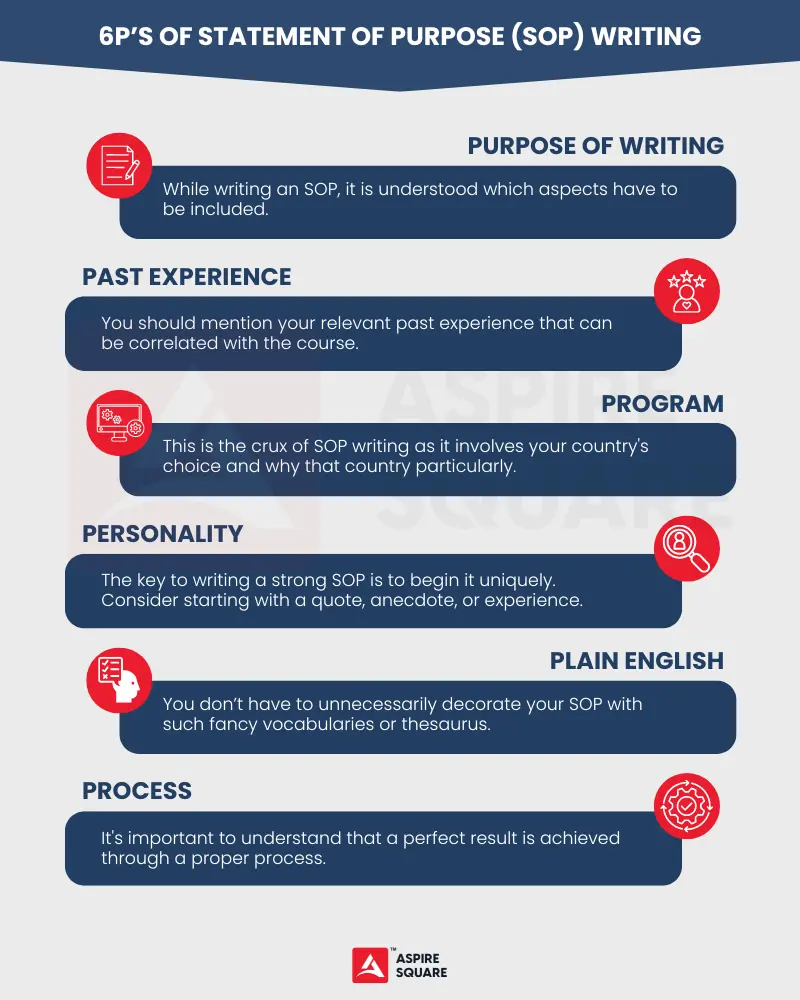

When applying to universities or colleges—whether for undergraduate, postgraduate, or doctoral programs—one document that can make a lasting impression is your Statement of Purpose (SOP). It’s your voice in the application process, offering insight into who you are, what you’ve accomplished, and where you’re headed.
At Study Rhino, we’re committed to helping students like you create impactful applications. In this guide, we’ll walk you through every detail you need to write a compelling, authentic, and professional SOP.
📌 What is an SOP?
A Statement of Purpose is a personal essay submitted as part of your college or university application. It describes your academic background, interests, professional experience, career goals, and reasons for choosing a specific program and institution.
Unlike resumes or transcripts, the SOP gives the admissions committee a chance to understand your motivations, values, and vision. It’s your opportunity to showcase what makes you unique and why you’re a good fit for the program.
🎯 Why Is the SOP So Important?
Here’s why your SOP deserves your time and attention:
Personal Expression: It humanizes your application and reflects your personality.
Goal Clarity: It tells the committee that you have thought seriously about your academic and professional path.
Fit for the Program: It shows how your background aligns with the program’s strengths and offerings.
Writing Ability: It also serves as proof of your communication skills—a key success factor in higher education.
🧩 Basic Structure of a Strong SOP
A powerful SOP follows a logical structure. Here’s a layout that works for most academic programs:
1. Introduction: Set the Stage (100–150 words)
Open with a memorable line—an event, realization, or passion that influenced your academic interest. Keep it engaging and personal.
Example: “Watching my neighborhood hospital struggle with outdated systems sparked my curiosity about healthcare technology. I realized that innovation in this space could save lives and improve services for thousands.”
2. Academic Background (200–250 words)
Highlight your educational journey. Mention significant achievements, relevant courses, academic projects, or research work.
Explain how your studies shaped your interest in the chosen field.
Don’t just list subjects—connect them to your intellectual growth.
“Through my degree in Biotechnology, I was exposed to molecular biology and genetics, which fascinated me and led to my final-year research on gene therapy techniques.”
3. Professional Experience (if applicable) (200–250 words)
Discuss internships, work experience, volunteer roles, or entrepreneurial projects. Emphasize:
Skills acquired
Challenges faced
Key takeaways that led to your decision to study further
“Working in a climate research NGO deepened my understanding of policy implementation gaps and fueled my interest in environmental law.”
4. Why This Program & University? (200–250 words)
This section shows you’ve done your research. Be specific!
Mention particular professors, courses, projects, or facilities that attract you.
Connect these with your career plan.
“The Data Science Master’s at XYZ University aligns with my interests in predictive analytics. I am especially eager to work under Professor Rachel Green, whose work on machine learning in healthcare resonates with my goals.”
5. Career Goals (200–250 words)
Explain your short-term and long-term goals. Focus on how the program will prepare you for these ambitions.
Short-term: Immediate plans post-graduation
Long-term: Your vision for your future
“In the short run, I plan to join a social enterprise that uses technology for education in rural areas. Long-term, I hope to launch a startup that makes learning tools more accessible to underserved communities.”
6. Conclusion: Reinforce Your Message (100–150 words)
Wrap up your SOP by summarizing your motivation, your potential contributions to the university, and your enthusiasm for the opportunity.
“I am ready to take this next step with confidence, knowing that this program will not only refine my skills but also help me make a meaningful impact in my field.”
🔑 Key Tips for Writing a Strong SOP
Here are some practical strategies that can help you craft a winning SOP:
✅ 1. Be Genuine
Admissions committees can spot generic or exaggerated claims. Be truthful and introspective. Reflect on your real experiences and what they’ve taught you.
✅ 2. Be Specific
Replace vague statements with detailed examples. Instead of saying “I am interested in business,” describe what sparked that interest and how you’ve explored it.
✅ 3. Customize Each SOP
Never use the same SOP for multiple applications. Tailor each one to the university’s program, values, and faculty.
✅ 4. Maintain Logical Flow
Ensure each paragraph transitions smoothly into the next. Your SOP should read like a cohesive narrative, not a list of facts.
✅ 5. Mind Your Language
Use a formal yet conversational tone. Avoid overly complex words or flowery language. Be clear and concise.
❌ Common SOP Mistakes to Avoid
Even strong applicants can get tripped up by simple errors. Here’s what to steer clear of:
❌ 1. Copying Content
Don’t borrow SOP samples from the internet. Plagiarism can disqualify you instantly.
❌ 2. Being Too Wordy
Stick to the word limit set by the university. Being overly descriptive or adding fluff can dilute your message.
❌ 3. Repeating Your Resume
Instead of listing everything you’ve done, reflect on why those experiences matter and how they shaped you.
❌ 4. Weak Motivation
If your SOP lacks a clear reason for pursuing a course or university, it will fail to leave an impression. Make your purpose crystal clear.
❌ 5. Skipping Proofreading
Typos or grammatical errors can signal carelessness. Always revise and ask someone else to review it.
🛠️ Steps to Craft Your SOP
Feeling stuck? Here’s a quick action plan:
Outline your SOP – Organize your thoughts into the structure we discussed.
Free write your first draft – Don’t worry about grammar at first; just get your ideas down.
Refine and revise – Polish the content, improve flow, and tighten language.
Seek feedback – Ask mentors, teachers, or friends to review your SOP.
Edit again – Make necessary adjustments and proofread carefully before submission.
📝 Sample SOP Snippet (Original)
“My passion for sustainable development began in high school, where I volunteered with a local tree-planting campaign. What started as a weekend activity evolved into a deeper interest in environmental policies, leading me to major in Environmental Science. At university, my capstone project focused on urban green spaces and their impact on community health, which inspired my goal to pursue policy work at an international level.”
This short passage demonstrates a clear progression, strong motivation, and alignment with academic goals.
✅ SOP Submission Checklist
Before you hit “submit,” ask yourself:
✔ Is my SOP tailored to the university/program?
✔ Have I clearly explained my motivation and goals?
✔ Does the essay reflect my personality and authenticity?
✔ Is the grammar correct and the formatting consistent?
✔ Is it within the word limit?
✔ Did someone else review it?
✨ Final Thoughts from Study Rhino
Your SOP is your story—told with purpose. It’s more than a formality; it’s your chance to speak directly to the people deciding your academic future.
At Study Rhino, we believe every student has a unique journey worth sharing. With the right guidance and some focused effort, you can create a Statement of Purpose that truly reflects your potential.
Whether you need help brainstorming, writing, or reviewing your SOP, we’re here to help. Explore our expert resources, one-on-one editing services, and sample libraries to get the boost you need