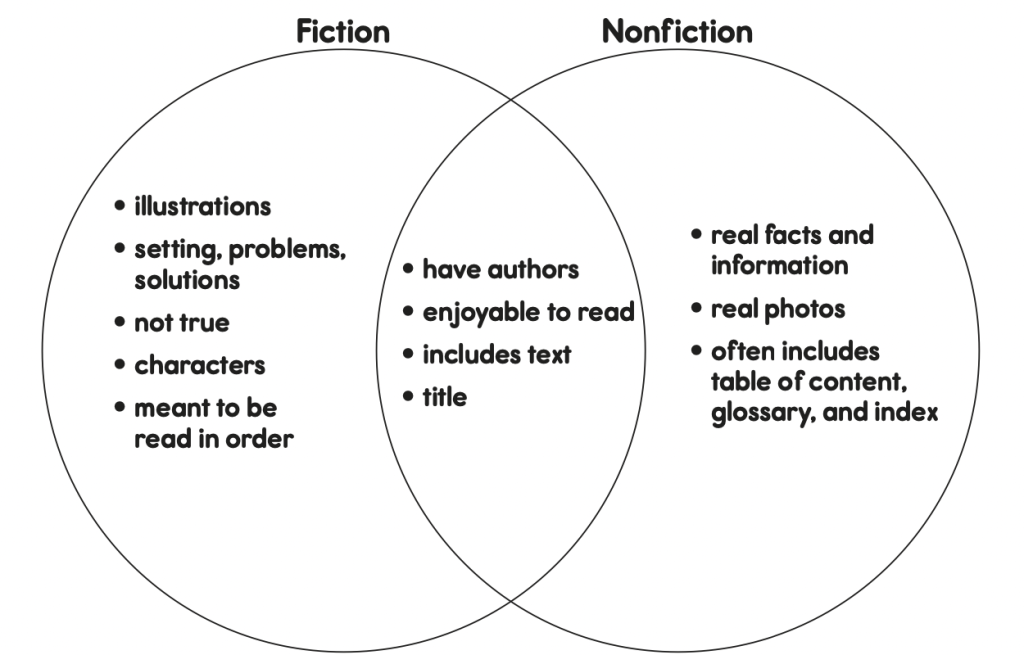

In literature, two of the most prominent genres are fiction and nonfiction. These categories represent different ways of telling stories, sharing knowledge, and engaging with readers. Understanding the differences between fiction and nonfiction is essential for students, as it not only helps them categorize reading material but also improves their comprehension and critical thinking skills. This guide will delve into the key differences between fiction and nonfiction, examining their characteristics, purpose, and examples, as well as their significance in education.
What is Fiction?
Fiction refers to any narrative work that is based on imagination, rather than real events. It is the genre where authors create characters, plots, and settings that may not be real. While fiction can often be inspired by real-life situations, it is ultimately a product of the author’s imagination.
Key Characteristics of Fiction
- Imaginative Creation: Fictional works are created from the imagination of the author. They do not have to adhere to real events, and they often include fantastical or impossible elements, such as magical creatures or alternate worlds.
- Plot Development: In fiction, the story typically follows a plot structure with a clear beginning, middle, and end. The plot involves conflict, rising action, a climax, and a resolution. This narrative arc is central to driving the story forward.
- Characterization: Fiction often involves the development of complex characters, who may experience personal growth, face challenges, or undergo transformations. These characters can be human, animal, or even abstract concepts personified.
- Setting: The setting in fiction can range from realistic to fantastical. Authors have the freedom to create entirely new worlds or depict the real world with a twist, depending on the genre (e.g., science fiction, fantasy, historical fiction).
- Genres Within Fiction: Fiction encompasses a wide range of sub-genres, including:
- Fantasy: Involves magical elements, mythical creatures, and imaginary worlds (e.g., Harry Potter).
- Science Fiction: Set in futuristic or speculative worlds, often involving technology and science (e.g., The Martian).
- Mystery: Focuses on solving a crime or puzzle (e.g., Sherlock Holmes).
- Romance: Centers on love stories (e.g., Pride and Prejudice).
- Historical Fiction: Based on real historical events but with fictional elements (e.g., The Book Thief).
Examples of Fiction
- “The Lord of the Rings” by J.R.R. Tolkien: A classic fantasy novel set in an entirely fictional world with elves, wizards, and epic quests.
- “1984” by George Orwell: A dystopian novel set in a totalitarian society, blending elements of fiction with political commentary.
What is Nonfiction?
Nonfiction, on the other hand, refers to works that are based on real events, facts, or information. Nonfiction writers aim to inform, explain, or persuade the reader about factual matters. This genre is grounded in reality and often serves educational, informative, or persuasive purposes.
Key Characteristics of Nonfiction
- Factual Content: Nonfiction is based on real people, events, and facts. The purpose is to present the truth, whether it’s through reporting, analysis, or explanation. Nonfiction authors often conduct research to ensure the accuracy of their content.
- Purpose and Intent: The primary goal of nonfiction is to inform or educate the reader. It can be used to explain complex ideas, provide instructions, share factual information, or tell true stories. It is more focused on delivering information rather than entertaining or creating imaginary worlds.
- Real-Life Events and People: Nonfiction works are often based on real people, places, and events. These can include biographies, history books, or journalistic accounts. Nonfiction also includes essays, scientific articles, and self-help books.
- Structure and Style: Nonfiction often uses a straightforward, logical structure, with clear headings, subheadings, and facts presented in a systematic manner. Writers of nonfiction prioritize clarity, conciseness, and accuracy. However, some nonfiction works, such as memoirs, may employ narrative techniques similar to fiction, while still adhering to real events.
- Genres Within Nonfiction: Nonfiction can be categorized into several sub-genres, such as:
- Biographies and Autobiographies: Tell the life stories of real people, either written by someone else (biography) or the person themselves (autobiography).
- History: Books that detail actual events, providing analysis and context (e.g., A People’s History of the United States by Howard Zinn).
- Journalism: News articles, reports, and investigative pieces aimed at informing the public about current events.
- Essays: Short pieces that express the author’s point of view on a specific subject (e.g., A Modest Proposal by Jonathan Swift).
- Self-Help: Books that offer advice or strategies for personal improvement (e.g., The 7 Habits of Highly Effective People by Stephen Covey).
- Science and Nature: Works that explain scientific principles or the natural world (e.g., Sapiens: A Brief History of Humankind by Yuval Noah Harari).
Examples of Nonfiction
- “The Diary of a Young Girl” by Anne Frank: A powerful firsthand account of life during the Holocaust, told through the diary entries of Anne Frank.
- “The Immortal Life of Henrietta Lacks” by Rebecca Skloot: A biography about Henrietta Lacks, whose cancer cells were used for scientific research without her consent.
Key Differences Between Fiction and Nonfiction
While both fiction and nonfiction offer valuable insights and experiences, they serve different purposes and are constructed in distinct ways. Below are the primary differences between the two:
1. Purpose and Intent
- Fiction: The purpose of fiction is to entertain, provoke thought, or explore complex human emotions and situations through imagination. Fiction allows writers to convey themes and messages indirectly by creating stories that may be rooted in human experiences but not bound by factual constraints.
- Nonfiction: Nonfiction’s primary goal is to inform, educate, or persuade. It is grounded in reality and aims to provide factual, truthful information. Nonfiction works seek to convey real-world knowledge, whether through reporting, analysis, or personal experiences.
2. Factual Accuracy
- Fiction: While fiction may be inspired by real events or incorporate elements of truth, the narrative itself is a product of the author’s imagination. Authors of fiction have creative freedom to bend or break the rules of reality.
- Nonfiction: Nonfiction is based on facts and real-life events. Accuracy is crucial in nonfiction, and authors are expected to provide reliable information, backed by evidence, research, or direct experience.
3. Narrative and Structure
- Fiction: Fiction is typically written in a narrative style, with a plot that involves characters, conflict, and resolution. The structure follows a specific arc, and the story is crafted to engage readers emotionally.
- Nonfiction: Nonfiction can take various forms, including essays, reports, articles, and biographies. The structure of nonfiction is usually more straightforward, focusing on presenting facts, arguments, or analyses in a logical and coherent manner.
4. Creativity and Imagination
- Fiction: Fiction thrives on creativity and imagination. Writers invent characters, worlds, and events that do not exist in reality. This imaginative aspect allows for endless possibilities in storytelling.
- Nonfiction: Nonfiction relies on real-world facts, but creativity can still play a role, especially in narrative nonfiction, where authors craft engaging stories around real events or people.
5. Examples
- Fiction: Novels, short stories, poetry, and plays are common forms of fiction. These works include The Great Gatsby by F. Scott Fitzgerald, Moby Dick by Herman Melville, and To Kill a Mockingbird by Harper Lee.
- Nonfiction: Examples include biographies (e.g., Steve Jobs by Walter Isaacson), history books (e.g., The Wright Brothers by David McCullough), and self-help books (e.g., Atomic Habits by James Clear).
Conclusion
In summary, fiction and nonfiction are two distinct genres that serve different purposes in literature. Fiction is driven by imagination and creativity, offering stories that entertain, challenge, or provoke thought. Nonfiction, on the other hand, is grounded in reality and provides factual, informative content to educate and inform readers. Both genres are valuable in their own right, contributing to the richness of literature and providing students with diverse ways to engage with texts. Understanding the differences between fiction and nonfiction can help students improve their reading skills, critical thinking, and appreciation for various