
Watercolor painting is a timeless and versatile medium that has been used by artists for centuries. Known for its translucent qualities, watercolor allows for a unique blend of light and color that is hard to replicate with other mediums. This introduction to watercolor painting will explore the basics of this artistic technique, its history, the materials required, and tips for beginners. Whether you’re an aspiring artist or simply interested in learning a new form of creative expression, watercolor painting offers a world of possibilities to explore.
The History of Watercolor Painting
Watercolor painting has a long and rich history that dates back to ancient times. The earliest known use of watercolor-like techniques can be traced to the Egyptians, who used pigments mixed with water and gum to create colorful images in their tombs. However, it wasn’t until the Renaissance period that watercolor began to emerge as a standalone art form.
The 18th century marked the rise of watercolor painting as a popular medium in Europe. During this time, artists like Albrecht Dürer, John Sell Cotman, and J.M.W. Turner began to experiment with watercolor techniques, producing works that ranged from delicate, atmospheric landscapes to detailed botanical illustrations. The fluidity of watercolor, combined with the ability to create both bold and subtle effects, made it an ideal medium for capturing light, weather, and the natural world.
In the 19th and 20th centuries, watercolor continued to evolve, with artists such as Winslow Homer, Georgia O’Keeffe, and Charles Burchfield using the medium to create stunning, evocative works. Today, watercolor painting remains a popular choice for both professional artists and hobbyists alike, offering a wide range of creative possibilities.
What is Watercolor Painting?
Watercolor painting is a technique that involves using pigments suspended in water to create a painting. The primary appeal of watercolor lies in its ability to create soft, transparent washes of color that can range from subtle and ethereal to bold and vibrant. Unlike oil or acrylic paints, which are opaque, watercolors are transparent, allowing the white of the paper to shine through and interact with the pigment.
The process of watercolor painting typically involves applying layers of color to a paper surface, either by wetting the paper first (wet-on-wet technique) or by applying the pigment directly onto dry paper (wet-on-dry technique). The level of control an artist has over the flow and blending of the paint is what makes watercolor both challenging and rewarding to work with.
One of the unique characteristics of watercolor painting is its ability to blend and flow naturally, creating effects that are difficult to achieve with other media. The watercolor’s transparency allows for a layering effect, where each layer of paint interacts with the others, resulting in a depth of color and texture.
Essential Materials for Watercolor Painting
To get started with watercolor painting, you need to gather a few essential materials. While there is a wide range of options available, here are the basic items you’ll need:
1. Watercolor Paints
Watercolor paints come in two primary forms: tubes and pans. Tube watercolors are often preferred by professional artists because they provide a more intense color and allow for easier mixing. Pans are solid cakes of paint that require water to activate. Pans are ideal for beginners as they are portable, easy to use, and less expensive than tube paints.
The paints themselves are made from pigments mixed with water and a binding agent, usually gum arabic. When choosing watercolor paints, it’s important to select high-quality pigments that provide good transparency and lightfastness (resistance to fading over time). Popular brands include Winsor & Newton, Daniel Smith, and Sennelier.
2. Watercolor Brushes
Watercolor brushes are specially designed to hold large amounts of water and pigment while allowing for fine details and broad washes. The most commonly used brushes for watercolor painting are round, flat, and mop brushes.
- Round Brushes: These brushes are versatile and ideal for detail work, line drawing, and creating soft washes.
- Flat Brushes: These are used for broader strokes, washes, and edges. They are perfect for creating sharp lines or filling in large areas.
- Mop Brushes: These brushes hold a lot of water and are ideal for creating large, soft washes of color.
Brushes are typically made from natural hairs (such as sable or squirrel) or synthetic fibers. Beginners may prefer synthetic brushes as they tend to be more affordable and durable.
3. Watercolor Paper
Watercolor paper is a specialized type of paper designed to handle the large amounts of water used in the painting process. It is made from cotton or wood pulp and comes in various weights, textures, and qualities. The most important consideration when choosing watercolor paper is its weight and texture. Heavier papers (around 300 gsm or more) are ideal because they can absorb more water without warping.
Watercolor paper typically comes in three textures:
- Hot-Pressed (HP): Smooth, ideal for detailed work and fine lines.
- Cold-Pressed (CP) or NOT: Textured, providing a more traditional look and feel.
- Rough: Has a heavily textured surface, giving the painting a more dynamic and expressive appearance.
4. Water and Palettes
Water is essential for diluting watercolor paints and creating various intensities of color. You will need a clean container of water for rinsing your brushes and a separate container for mixing paints. Palettes come in a variety of shapes and sizes, with sections for mixing colors. Some artists prefer ceramic palettes, while others use plastic or metal ones.
5. Other Tools
In addition to the basic materials, there are a few other tools that may come in handy:
- Masking Fluid: A liquid that is used to block out areas of the paper that you want to keep white or untouched by paint.
- Sponges and Paper Towels: Useful for blotting, lifting paint, or creating texture.
- Palette Knives: These can be used for mixing paints, scraping excess paint, or creating texture on the paper.
Basic Watercolor Techniques
Once you have your materials ready, it’s time to start painting! There are several basic techniques that every watercolor artist should familiarize themselves with:
1. Wet-on-Wet
Wet-on-wet painting involves applying water to the paper first, then adding watercolor paint while the paper is still wet. This technique allows the paint to flow and blend naturally, creating soft transitions of color. It is great for creating washes, skies, or any other areas where smooth, fluid transitions are desired.
2. Wet-on-Dry
Wet-on-dry painting involves applying wet paint to dry paper. This technique gives the artist more control over the application of color and is ideal for creating sharp edges, detailed lines, and layered washes.
3. Glazing
Glazing involves applying a thin layer of transparent paint over a dry layer of color. This allows the artist to build up depth and complexity in their painting. The underlying layer of color will show through the transparent glaze, resulting in a rich, luminous effect.
4. Lifting
Lifting is the process of removing paint from the paper using a damp brush, sponge, or paper towel. This technique can be used to create highlights, correct mistakes, or lighten areas of the painting. It is important to practice lifting techniques to understand how much paint can be removed without damaging the paper.
5. Dry Brush
The dry brush technique involves using a relatively dry brush to apply paint to dry paper. This results in a textured, scratchy effect that is ideal for creating rough textures, such as tree bark, rocks, or other natural elements.
Tips for Beginners
- Start with Simple Subjects: As a beginner, it’s best to start with simple subjects, such as basic shapes, still lifes, or landscapes. This will help you focus on mastering the techniques without feeling overwhelmed by complex compositions.
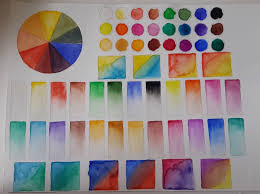
- Practice Color Mixing: Understanding color theory and how to mix colors is essential in watercolor painting. Practice mixing different hues and experiment with creating various tones, shades, and tints.
- Embrace Imperfection: Watercolor is known for its unpredictable nature. The paint often flows and mixes in unexpected ways, leading to happy accidents. Embrace these imperfections, as they are part of the charm of the medium.
- Use High-Quality Materials: While it is possible to create beautiful watercolor paintings with inexpensive materials, high-quality paints, brushes, and paper will give you better results and enhance your learning experience.
- Take Your Time: Watercolor painting can be a slow and meditative process. Take your time and enjoy the journey. Don’t rush through your paintings—allow the water and paint to interact naturally and give yourself room to experiment.
Conclusion
Watercolor painting is a captivating and rewarding artistic medium that allows for a wide range of creative expression. With its rich history, accessible materials, and beautiful effects, watercolor is an excellent choice for both beginners and experienced artists. By understanding the basic techniques and experimenting with different approaches, you can unlock the full potential of this versatile medium. Whether you’re painting a simple landscape or a detailed still life, watercolor offers endless opportunities to explore your artistic voice and create stunning works of art.