
Setting goals is a fundamental part of personal growth, academic success, and achieving long-term dreams. Whether you’re aiming for better grades, mastering a skill, or accomplishing a personal milestone, understanding how to set realistic goals and stick to them is crucial for success. Many people start the process full of excitement but falter along the way, often because their goals weren’t realistic to begin with or they didn’t have a clear plan to follow through. This article will guide you through how to set practical, achievable goals and offer tips to help you stay motivated and on track to achieve them.
Understanding Goal-Setting
Before diving into the specifics of how to set and achieve goals, it’s important to understand what makes a goal realistic. A goal is typically a desired outcome you work toward over a specific period of time. However, for a goal to be achievable, it needs to meet certain criteria that make it actionable and possible to complete.
An unrealistic goal might be something like “I will study 10 hours a day for the next month” when you have school or work commitments. It sounds admirable, but it’s not feasible for most people, and trying to force it might lead to burnout or frustration. On the other hand, a realistic goal is one that challenges you but remains achievable within your personal context.
The SMART Framework: The Foundation of Realistic Goal Setting
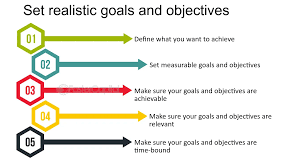
To ensure your goals are realistic, use the SMART framework. SMART is an acronym that helps you outline clear and actionable goals:
S – Specific: Your goal should be clear and specific, not vague or general. A goal like “I want to improve my grades” is unclear and difficult to track. Instead, specify exactly what you want to achieve, such as “I want to increase my math grade from a B to an A.”
M – Measurable: You need a way to measure progress and determine when the goal has been achieved. For example, instead of saying, “I want to read more,” you could say, “I will read 20 pages a day.”
A – Achievable: Your goal should be realistic and within your ability. While it’s great to set big goals, it’s essential that they are feasible. If you currently study an hour a day, aiming to double it immediately might not be realistic. Instead, start with a smaller, attainable increase and build from there.
R – Relevant: Your goal should be aligned with your broader objectives, values, and priorities. It should make sense in the context of your life and be something that contributes meaningfully to your growth. For example, if your goal is to improve your time management, it should be tied to your overall aim of becoming more organized.
T – Time-Bound: Every goal needs a timeline. This prevents procrastination and helps you track progress. “I will lose 10 pounds in three months” is better than “I will lose weight.” Having a clear timeframe adds urgency and helps you stay focused.
Steps to Set Realistic Goals
Now that you understand the SMART framework, let’s go through the process of setting your goals in a way that ensures they are realistic and achievable.
1. Start with Your Bigger Vision
Think about your long-term aspirations. What do you want to accomplish in the next few years? This might include academic achievements, career advancements, personal development, or health goals. Start by identifying your broad vision, then break it down into smaller, manageable steps.
For instance, if your long-term goal is to graduate from college with honors, your smaller goals might include maintaining a certain GPA each semester or acing individual courses. This way, you can keep your eyes on the bigger picture while focusing on achieving smaller, realistic goals.
2. Break Down Your Goals into Manageable Tasks
Once you have a broader goal in mind, break it down into smaller, actionable tasks. These tasks should be steps that, when completed, will lead you toward achieving the larger goal.
For example, if your goal is to improve your fitness, breaking it down might involve tasks like “sign up for a gym membership,” “create a workout plan,” “work out three times a week,” or “eat healthier snacks.” Breaking your goal down in this way makes it less daunting and provides a clear roadmap to follow.
3. Set Priorities
When you have multiple goals, prioritize them. It can be tempting to set too many goals at once, but focusing on one or two key objectives at a time can lead to better results. Ask yourself which goals are most important to your success and focus on those first.
For example, if you’re balancing your academics with part-time work, your priority might be to maintain your grades while working only a limited number of hours. Setting priorities helps prevent overwhelm and allows you to focus your energy where it matters most.
4. Consider Your Resources
Assess your available resources before setting your goals. Do you have the time, energy, and tools necessary to achieve your goal? If you’re aiming to study more effectively, do you have the right materials, environment, and support systems in place?
If your resources are limited, be sure to adjust your goals accordingly. For example, if you want to study abroad but can’t afford it yet, you can set a more immediate goal of saving a specific amount of money or researching scholarship opportunities to work toward your dream.
5. Make Your Goals Flexible
Life can be unpredictable, and sometimes unforeseen circumstances arise that affect your ability to achieve your goals. It’s important to be flexible and adjust your goals when necessary. If you miss a deadline or face a setback, don’t give up altogether. Instead, re-evaluate your goals and come up with a new plan that takes your current situation into account.
How to Stick to Your Goals
Setting goals is only the first part of the equation. The real challenge lies in sticking to them. Many people struggle with consistency and find it difficult to maintain their motivation. Here are some strategies to help you stay on track:
1. Create a Detailed Action Plan
A vague goal without a clear plan is difficult to stick to. Create a detailed action plan with specific tasks and deadlines. For example, if you want to improve your writing skills, your plan might involve writing 500 words every day and setting aside specific time blocks for writing each week.
By breaking down your tasks into smaller, manageable actions, you create a clear path forward. It’s also helpful to track your progress and adjust your plan as needed.
2. Stay Accountable
Accountability is key to achieving your goals. Share your goals with someone you trust—this could be a mentor, friend, or family member. Having someone to check in with or report progress to can help you stay motivated and committed.
Alternatively, you can use digital tools like goal-setting apps or planners to track your progress and set reminders. By making your goals visible, you increase your accountability and make it harder to procrastinate.
3. Celebrate Small Wins
It’s important to celebrate milestones along the way. Acknowledge your progress, even if it’s just small improvements. Rewarding yourself for hitting specific milestones helps maintain motivation and reinforces positive behavior. For instance, if you finish a project ahead of schedule, treat yourself to a movie night or a favorite snack.
4. Stay Positive and Be Patient
Sticking to your goals requires perseverance and patience. It’s normal to face challenges, but don’t let setbacks discourage you. If something doesn’t go as planned, take a moment to reflect on what went wrong and adjust your approach.
Focusing on progress, rather than perfection, will help you stay motivated. Remember that even small steps forward bring you closer to your goal, so keep pushing yourself and trust the process.
5. Learn from Your Mistakes
If you find that you aren’t making the progress you hoped for, don’t see it as failure. Instead, view it as an opportunity to learn. Ask yourself why you’re struggling and adjust your methods accordingly. Maybe your goal needs to be refined, or perhaps you need more time to achieve it. Use setbacks as lessons, not roadblocks.
Conclusion
Setting realistic goals is an essential skill that can help you achieve success in every area of life. By applying the SMART framework and using the strategies outlined above, you can set meaningful, attainable goals that align with your personal aspirations. Remember, achieving goals isn’t always about rushing to the finish line—it’s about consistent progress, staying motivated, and being adaptable. So, get started today, and with patience and persistence, you’ll be well on your way to accomplishing everything you set out to do