
By Study Rhino
Climate change is one of the greatest challenges of our time, and every individual has a role to play in fighting it. One of the most direct ways we can make a difference is by reducing our carbon footprint — the total amount of greenhouse gases, especially carbon dioxide, that we produce directly or indirectly through our daily activities. At Study Rhino, we believe that understanding and acting on this issue empowers students and individuals alike to become responsible global citizens.
In this article, we’ll dive deep into what a carbon footprint is, why it matters, and actionable steps you can take to reduce yours — starting today.
What Is a Carbon Footprint?
A carbon footprint is a measurement of the amount of carbon dioxide (CO₂) and other carbon compounds emitted due to the consumption of fossil fuels by a particular person, group, event, or product. Activities like driving a car, eating meat, using electricity, and even buying clothes contribute to our footprint.
Scientists measure it in units of carbon dioxide equivalents (CO₂e), which standardizes various greenhouse gases according to their global warming potential.
Why Reducing Your Carbon Footprint Matters
Global warming is driven largely by emissions from human activities. Reducing your carbon footprint helps:
- Slow down climate change
- Protect natural ecosystems
- Improve air quality
- Create a healthier planet for future generations
- Inspire others to make eco-conscious choices
Small changes, when multiplied by millions of people, can lead to significant impact.
Steps to Reduce Your Carbon Footprint
Here’s a practical roadmap filled with realistic, easy-to-adopt changes:
- Change Your Transportation Habits
Transportation is a major source of carbon emissions. Here’s how you can cut back:
- Walk or bike for short trips. It’s healthy for you and the planet.
- Use public transport whenever possible instead of driving alone.
- Carpool with friends or colleagues.
- Drive efficiently if you must use a car (keep tires inflated, avoid rapid acceleration).
- Consider an electric or hybrid vehicle if you are buying a new car.
- Fly less: Air travel has a massive carbon footprint. Opt for trains or buses for shorter trips and combine trips to reduce flights.
Bonus Tip: Some airlines now offer options to offset your emissions when you book a flight.
- Make Your Home Energy-Efficient
Our homes are major energy consumers, but small tweaks can lead to big savings:
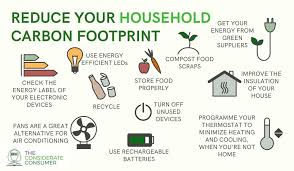
- Switch to LED bulbs: They use up to 80% less energy than traditional bulbs.
- Unplug devices: Even when off, electronics use “phantom power.”
- Use a programmable thermostat to optimize heating and cooling.
- Insulate your home: Good insulation reduces the need for heating and air-conditioning.
- Switch to renewable energy providers if available in your area.
Bonus Tip: Conduct a home energy audit to identify where you can save the most.
- Eat Sustainably
Our food choices significantly impact the environment:
- Eat more plant-based meals: Meat, especially beef and lamb, has a high carbon footprint.
- Reduce food waste: Plan meals, store food properly, and compost leftovers.
- Buy local and seasonal produce to cut down on transportation emissions.
- Support sustainable farming by choosing organic and responsibly sourced products.
Interesting Fact: If everyone adopted a vegetarian diet, global food-related emissions could drop by up to 63%.
- Shop Smart
Every product you buy has a hidden carbon cost from production to delivery:
- Buy less: Practice mindful consumption. Ask yourself if you really need the item.
- Choose durable goods over disposable ones.
- Support eco-friendly brands that prioritize sustainability.
- Thrift and reuse: Buying second-hand clothing and furniture reduces demand for new products.
- Repair instead of replace: Extend the life of your belongings.
Bonus Tip: Follow a “one-in, one-out” rule for clothing and gadgets to keep your buying habits in check.
- Reduce, Reuse, Recycle
The classic three R’s are more important than ever:
- Reduce your consumption first.
- Reuse containers, bags, clothing, and tools.
- Recycle properly: Educate yourself on what can and cannot be recycled in your community.
Important: Contaminated recyclables often end up in landfills, so rinse items before recycling!
- Conserve Water
Water treatment and delivery consume a lot of energy. Saving water helps reduce your carbon footprint:
- Fix leaks immediately.
- Install water-saving devices like low-flow faucets and toilets.
- Turn off the tap when brushing your teeth or washing dishes.
- Use rainwater for watering gardens.
Fun Fact: A dripping faucet can waste over 3,000 gallons of water a year!
- Support Clean Energy Initiatives
Beyond personal changes, you can amplify your impact by:
- Advocating for policies that promote renewable energy.
- Investing in green funds or companies committed to sustainability.
- Offsetting your carbon footprint through verified programs that plant trees or develop renewable energy projects.
Bonus Tip: Join local groups working on environmental causes — community action multiplies results!
- Educate Yourself and Others
Awareness leads to action. Stay informed about environmental issues by:
- Following credible news sources and environmental organizations
- Participating in workshops, webinars, or online courses
- Sharing information with friends and family
- Encouraging schools, businesses, and communities to adopt greener practices
At Study Rhino, we believe knowledge is the first step toward positive change!
Measuring Your Carbon Footprint
Understanding where you stand helps you plan better. Many free online calculators allow you to measure your carbon footprint based on:
- Your transportation habits
- Your diet
- Your energy usage
- Your consumption patterns
Try tools like the WWF Carbon Footprint Calculator or the Global Footprint Network’s calculator to get started.
Realistic Goals: Progress Over Perfection
It’s important to remember: Reducing your carbon footprint is not about being perfect. It’s about making continuous improvements. Maybe you can’t go vegan overnight or switch to solar panels right away — and that’s okay.
Small actions add up:
- Meatless Mondays can reduce emissions significantly.
- One less flight a year can prevent hundreds of kilograms of CO₂ from entering the atmosphere.
- Switching to green energy for your home can cut your household emissions by half.
Celebrate each step forward, no matter how small.
Conclusion: Every Action Counts
Reducing your carbon footprint isn’t about radical lifestyle changes all at once — it’s about mindful, sustainable living. It’s about recognizing that the choices we make every day — what we eat, how we travel, what we buy — have a ripple effect on the planet.
At Study Rhino, we encourage everyone to start where they are, use what they have, and do what they can. By taking simple, thoughtful actions, we can build a healthier, greener future for all.
Remember, the planet doesn’t need a handful of people doing sustainability perfectly. It needs millions doing it imperfectly.
Ready to start? Pick one action today and take the first step toward a smaller carbon footprint!