
Procrastination is something almost every student or professional experiences at some point. You sit down to study or work, only to find yourself scrolling through social media, watching videos, or suddenly deciding it’s the perfect time to clean your room. Sound familiar? You’re not alone. At Study Rhino, we understand how damaging procrastination can be to your productivity, confidence, and long-term success.
In this article, we’ll explore what procrastination really is, why it happens, and—most importantly—how to overcome it effectively. Whether you’re a student, a teacher, or a lifelong learner, these strategies can help you build better habits and reclaim your time.
What Is Procrastination?
Procrastination is the act of delaying or postponing tasks, often choosing short-term pleasure or distraction over long-term rewards. It’s not just laziness—it’s a psychological pattern that involves self-regulation failure. People procrastinate even when they know it can hurt their performance or increase their stress.
There are two types of procrastination:
- Passive Procrastination: Delaying tasks due to indecision or lack of motivation.
- Active Procrastination: Deliberately delaying tasks but feeling in control, often working better under pressure.
While active procrastinators might still meet deadlines, the mental toll can be significant.
Why Do We Procrastinate?
To overcome procrastination, it helps to understand the root causes. These include:
1. Fear of Failure
You might delay starting a task because you’re afraid it won’t be good enough. This perfectionist mindset creates unnecessary pressure.
2. Lack of Motivation
Tasks that seem boring or uninteresting often get pushed aside for more engaging distractions.
3. Overwhelm
When a task feels too big or complex, your brain tends to avoid it. It’s a natural defense mechanism.
4. Poor Time Management
Without a clear schedule or plan, it’s easy to drift from one distraction to another.
5. Low Self-Efficacy
If you don’t believe in your ability to complete a task, you’re more likely to delay starting it.
10 Effective Ways to Overcome Procrastination
Here’s the part you’ve been waiting for. Let’s dive into actionable strategies to beat procrastination and build lasting productivity habits.
1. Break Tasks into Smaller Steps
Big tasks can feel overwhelming. The key is to divide them into smaller, manageable pieces.
For example, instead of “Write research paper,” break it down into:
- Choose a topic
- Research 3 sources
- Write the introduction
- Draft body paragraphs
This approach creates momentum and reduces mental resistance.
2. Use the Pomodoro Technique
The Pomodoro Technique is a time management method that improves focus:
- Work for 25 minutes
- Take a 5-minute break
- Repeat 4 times, then take a longer break
It turns work into short sprints, helping you stay fresh and motivated.
3. Set Clear Deadlines
Even if your teacher or boss hasn’t given a strict deadline, create one for yourself. Clear deadlines give structure and reduce the temptation to delay tasks.
Use calendars, digital planners, or productivity apps like Notion, Todoist, or Google Calendar.
4. Create a Dedicated Work Environment
Your surroundings influence your focus. Design a workspace that encourages concentration:
- Clean and clutter-free
- Good lighting
- Minimal distractions (keep your phone away!)
Study Rhino Tip: Use website blockers like Cold Turkey or Freedom to limit access to distracting websites during work sessions.
5. Establish a Routine
Routine creates consistency. Set specific times each day for focused work. Over time, your brain will associate these hours with productivity, making it easier to get started.
Even something as simple as:
- Morning: Review notes
- Afternoon: Complete assignments
- Evening: Revise topics
…can make a big difference.
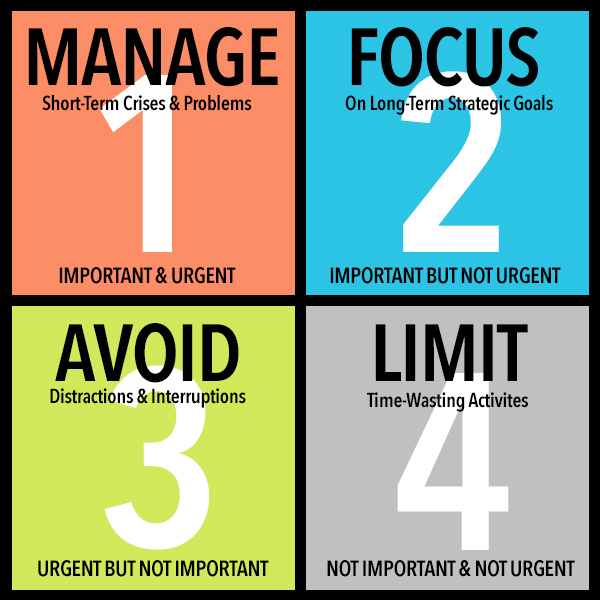
6. Prioritize Tasks (Use the Eisenhower Matrix)
Use this method to prioritize your to-do list:
| Urgency \ Importance | Important | Not Important |
| Urgent | Do first | Delegate |
| Not Urgent | Schedule | Eliminate |
Focus on what truly matters. Don’t confuse “busy” with “productive.”
7. Overcome Perfectionism
Perfectionism often leads to procrastination. You delay starting a task because you’re afraid it won’t be perfect.
Repeat this mantra: “Done is better than perfect.”
You can always improve later. Start messy, edit later.
8. Visualize the Outcome
Think about how good it’ll feel once the task is complete. Visualization increases motivation by reminding you of the long-term benefits:
- Less stress
- Better grades
- More free time
You can even use a vision board or reward chart to stay inspired.
9. Use Positive Self-Talk
Many procrastinators have a negative inner voice: “I’m lazy,” “I’ll never get this done.”
Flip the script:
- “I can do this, step by step.”
- “Progress is more important than perfection.”
- “Every minute I work now saves me stress later.”
Positive reinforcement helps rewire your mindset.
10. Reward Yourself
Incentives work! After completing a task, give yourself a reward:
- Watch an episode of your favorite show
- Go for a walk
- Enjoy a snack
These mini-rewards make your brain associate productivity with pleasure.
Bonus Tips for Students
At Study Rhino, we know students face unique challenges. Here are a few extra tips just for you:
🌟 Study with a Buddy
Accountability partners can help you stay focused. Schedule regular study sessions and encourage each other.
🌟 Use “Temptation Bundling”
Combine a task you don’t want to do with something you enjoy:
- Listen to instrumental music while revising
- Use a cozy café as your study spot
🌟 Reflect Weekly
Spend 10 minutes each weekend reviewing:
- What you accomplished
- What you struggled with
- How to improve next week
This builds self-awareness and helps adjust your strategy.
When to Seek Help
If procrastination is severely affecting your academics, career, or mental health, it might be time to speak with:
- A counselor
- A study coach
- A mental health professional
There’s no shame in asking for support. Many people struggle with time management and emotional regulation, especially during stressful periods.
Final Thoughts from Study Rhino 🦏
Overcoming procrastination is not about willpower alone—it’s about understanding your habits, using smart strategies, and practicing self-compassion.
Start small. Pick one strategy from this article and try it today. As you gain confidence, add more tools to your productivity toolkit.
Remember: You are capable of focused, meaningful work. You just need the right mindset and methods.
Let us know how you’re beating procrastination by tagging #StudyRhinoChallenge on social media!
📌 Quick Summary
| Problem | Solution |
| Tasks feel overwhelming | Break into smaller steps |
| Can’t focus | Use Pomodoro Technique |
| No motivation | Visualize the outcome & reward yourself |
| Always delaying | Set clear deadlines and routines |
| Afraid to fail | Embrace imperfection and start messy |