
Peer pressure is an issue that many students face during their school years. The desire to fit in and be accepted can sometimes lead individuals to make decisions that may not align with their personal values or long-term goals. Learning how to handle peer pressure in school is vital for maintaining mental health, self-esteem, and making responsible choices. This article explores what peer pressure is, why it occurs, and practical ways to manage it effectively.
What is Peer Pressure?
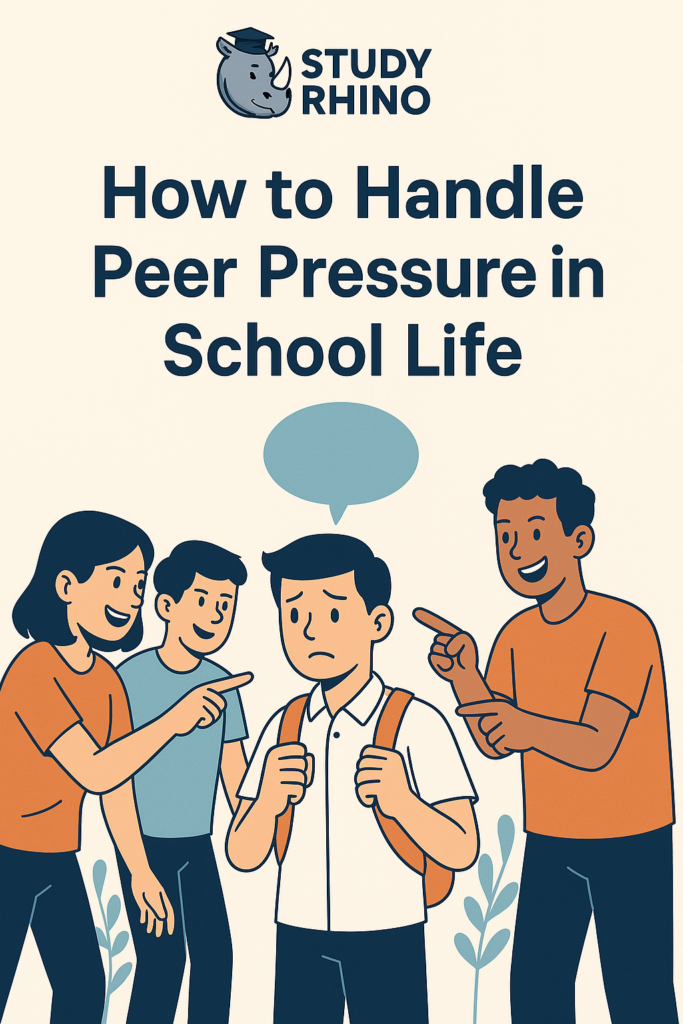
Peer pressure in school is the influence exerted by peers, classmates, or friends to encourage someone to adopt certain behaviors, beliefs, or actions. It can manifest in both positive and negative forms. Positive peer pressure may inspire someone to study harder or participate in beneficial activities, while negative peer pressure can push individuals towards unhealthy behaviors like skipping school, smoking, or taking part in risky actions just to fit in.
Peer pressure can take various forms:
Direct Pressure: This involves a peer directly asking you to engage in a particular behavior, such as trying something new or breaking the rules.
Indirect Pressure: This happens when you feel compelled to join in because of the actions or attitudes of others around you, even if they don’t directly suggest it.
Why Peer Pressure Occurs in School
School environments are highly social, and many students seek to belong to a particular group or fit in with others. The pressure to conform is strongest during adolescence, when peer relationships are essential to a student’s sense of identity.
Peer pressure in school can occur in different areas of school life:
Academics: Friends might suggest skipping homework or cheating on a test to make things easier.
Social Media: The need for validation on social media platforms can lead students to post content or engage in trends that might not be in line with their values.
Substance Use: Students may feel pressured to experiment with substances like alcohol or drugs to be part of a popular social group.
Appearance: There can be pressure related to body image and fashion, leading students to follow trends they might not otherwise be interested in.
Risky Behaviors: Engaging in dangerous activities, like vandalism or skipping class, is often a result of wanting to fit in with peers who engage in those behaviors.
The Psychology Behind Giving in to Peer Pressure
Several factors contribute to why individuals might succumb to peer pressure, especially during school years:
The Need for Acceptance: Adolescents are in the process of forming their identities. The desire to fit in and be accepted by peers can overpower personal judgment.
Fear of Rejection: The fear of being excluded from a group or viewed as “different” can prompt students to make decisions they are not comfortable with.
Low Confidence: Students who are less confident in themselves are more likely to be influenced by the opinions of others, making it harder to resist peer pressure in school.
Lack of Awareness: Sometimes, students may not even realize that they’re being pressured, especially if the influence is subtle and builds over time.
Lack of Support Systems: Without strong family support or guidance from trusted adults, students might feel more vulnerable to peer pressure.
The Consequences of Succumbing to Peer Pressure
While giving in to peer pressure in school may seem like an easy solution in the moment, it can have lasting negative effects:
Academic Decline: If a student gives in to peer pressure and skips school, cheats on assignments, or avoids studying, it can lead to poor grades and a loss of academic opportunities.
Reputation Damage: Participating in activities just to fit in can tarnish a student’s reputation, making it harder to build positive relationships in the future.
Mental Health Struggles: Going along with negative influences can lead to feelings of stress, anxiety, and depression, as students may feel conflicted between their values and their actions.
Damaged Relationships: Peer pressure can lead to unhealthy friendships that are based on conformity rather than mutual respect, which may eventually cause emotional distress and dissatisfaction.
Effective Strategies for Dealing with Peer Pressure
It is possible to handle peer pressure in school in a way that protects one’s well-being and personal values. Here are some strategies students can use:
1. Build Strong Self-Confidence
One of the best ways to resist peer pressure in school is to be confident in who you are. Knowing your values, strengths, and personal goals will help you make decisions based on what’s important to you, rather than being influenced by others. Developing confidence can be achieved by:
Setting clear personal goals and striving to achieve them.
Engaging in activities that help you feel good about yourself.
Practicing positive affirmations to remind yourself of your worth.
2. Learn to Say “No”
One of the most important skills in resisting peer pressure in school is learning how to say no. It’s essential to be assertive but polite. Saying “no” firmly and confidently can prevent situations from escalating. You don’t need to explain yourself unless you feel comfortable doing so. A simple, “I’m not interested” or “I’d rather not” can be enough.
3. Surround Yourself with Positive Friends
The company you keep has a significant impact on your decisions. Seek out friends who share your values and support your positive choices. Healthy friendships will encourage you to make good decisions and stand firm in your beliefs.
Choose friends who respect your boundaries.
Support others by encouraging positive choices, and you will find that your friendships will be based on mutual respect.
4. Talk to a Trusted Adult
If you’re struggling with peer pressure in school, talking to someone you trust can make a big difference. Whether it’s a teacher, counselor, or a family member, trusted adults can offer guidance, perspective, and help you navigate difficult situations. Sometimes, just having someone to talk to can alleviate the stress of facing peer pressure.
5. Avoid Negative Situations
Sometimes, the best way to avoid peer pressure in school is to stay out of situations where you might feel pressured. If you know that a group of friends regularly engages in behaviors that don’t align with your values, try to avoid being in situations where you might be tempted to join in.
You can:
Choose not to attend events where negative influences are present.
Redirect conversations that may lead to peer pressure.
Set boundaries on where you spend your time and with whom.
6. Use Humor to Deflect Peer Pressure
Humor can be an excellent tool for deflecting peer pressure in school. Making light of a situation or using humor to defuse tension can shift the focus away from peer pressure without causing conflict.
For instance:
“That sounds interesting, but I’ve got other plans.”
“I’m on a ‘no regrets’ diet, and that doesn’t fit in.”
This approach helps to keep the atmosphere light while firmly setting your boundaries.
7. Stay Focused on Your Goals
One of the most effective ways to resist peer pressure in school is to stay focused on your goals and what you want to achieve. When you have a clear sense of direction, peer pressure becomes less impactful. Regularly remind yourself of what matters most to you—whether it’s academic success, personal growth, or health—and use this as motivation to stay on track.
8. Seek Support from Others
Don’t be afraid to ask for help. Whether it’s from friends, family, or a counselor, seeking support when dealing with peer pressure in school can provide you with the resources and strength to make better choices.
Conclusion
Peer pressure in school is a common experience, but it doesn’t have to define your choices. By building self-confidence, surrounding yourself with positive influences, learning to say no, and seeking support, you can navigate peer pressure in school in a healthy and constructive way. Remember, standing firm in your beliefs is a strength, and the ability to make decisions based on your values will benefit you throughout your life. Embrace your individuality and trust that resisting negative peer pressure in school is a sign of personal growth and resilience