
Studying abroad is a dream for many students, offering unique educational experiences and personal growth. However, before embarking on this exciting journey, one essential task is to apply for a student visa. A student visa allows you to legally enter and study in a foreign country, ensuring you meet the legal requirements. In this comprehensive guide, we’ll walk you through the entire process of how to apply for a student visa, from initial research to receiving approval. Follow these steps to make your visa application smooth and successful!
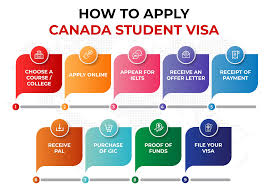
1. Research Visa Requirements for Your Destination Country
The first and most important step in learning how to apply for a student visa is understanding the specific visa requirements for the country you plan to study in. Each country has its own set of rules, eligibility criteria, and necessary documentation.
Here’s what you need to focus on:
Visa Type: Identify the correct student visa based on your course length and study plans.
Eligibility Criteria: Ensure you meet the requirements, such as being accepted by a recognized institution, having sufficient funds, and passing health checks.
Required Documents: Research the list of documents you need to provide, such as your passport, financial statements, and an acceptance letter.
Visa Fees: Be aware of the visa application fee and the available payment methods.
Processing Time: Know how long the visa application will take, and apply well in advance to avoid delays.
2. Get Accepted by a Recognized Educational Institution
Before applying for a student visa, you need to be accepted into an accredited institution in the country you wish to study in. You cannot apply for a visa without having an official offer of admission.
Apply to Schools: Apply to universities or colleges offering the program you wish to pursue. Ensure that the institution is recognized by the immigration authorities of your destination country.
Acceptance Letter: Once you receive an acceptance letter or offer from the institution, you can begin your student visa application process.
3. Gather the Necessary Documents for Your Student Visa
After receiving your acceptance letter, the next step is to gather all the required documents for your student visa application. The documentation varies from country to country, but commonly required documents include:
Valid Passport: Ensure your passport is valid for at least six months beyond your planned arrival date.
Acceptance Letter: A letter from your institution confirming your admission.
Proof of Financial Support: You’ll need to provide evidence of financial stability to show you can support yourself during your studies.
Visa Application Form: Complete the official visa application form for your destination country.
Passport-Sized Photographs: Ensure your photos meet the specific requirements outlined by the embassy or consulate.
Visa Fee Receipt: Pay the visa application fee and keep the receipt.
Medical Certificate: Some countries require a medical exam to ensure you are in good health.
Language Proficiency Test Results: If necessary, submit proof of language proficiency (like IELTS, TOEFL).
Academic Records: Submit transcripts or other documents showing your academic history.
4. Submit Your Student Visa Application
Once you have all your documents in order, you’ll need to submit your student visa application. The submission process varies depending on the country.
Online Application: Many countries now offer an online visa application system where you can fill out forms and submit documents electronically.
In-Person Submission: Some countries require you to submit your application in person at the nearest embassy or consulate.
Visa Application Centers: Certain countries use third-party application centers for visa submission. Be sure to follow the guidelines provided by these centers.
5. Attend a Visa Interview (If Required)
Depending on the country, you may be asked to attend an interview as part of your student visa application. The visa interview is an opportunity for the authorities to ensure that you meet the requirements for a student visa and that your study plans are genuine.
Schedule the Interview: If required, schedule an appointment with the embassy or consulate.
Interview Questions: Prepare for questions about your study plans, financial situation, and your reasons for studying abroad.
Prepare in Advance: Be ready to discuss your chosen course, how you will support yourself financially, and your plans after graduation.
6. Wait for Processing and Approval
After submitting your visa application and attending the interview (if required), the next step is to wait for processing. The processing time can vary, typically taking anywhere from a few weeks to a couple of months. During this time, the authorities may request additional documents or clarification on certain points.
Stay Updated: Keep an eye on your email or the visa application portal for any updates regarding your visa status.
Respond Quickly: If the authorities request more information, respond promptly to avoid delays.
7. Receive Your Student Visa
Once your student visa application is approved, you’ll receive your visa, typically in the form of a stamp or sticker in your passport. Some countries may issue an electronic visa (e-visa) that you can print out.
Check the Visa Details: Carefully review the visa to ensure all information is correct, including your name, dates, and conditions of your visa.
Notify Authorities of Errors: If there are any mistakes, contact the embassy or consulate immediately to have them corrected.
8. Prepare for Your Arrival and Study Abroad
With your student visa in hand, the final step is to prepare for your trip. Here’s what you need to do:
Book Your Flight: Secure your flight to your destination country. Ensure you arrive in time for your program’s start date or orientation.
Accommodation: Arrange your accommodation, whether on-campus, in student housing, or private housing.
Health Insurance: If health insurance is required, make sure you have coverage for the duration of your stay.
Currency and Bank Account: It’s a good idea to exchange some currency before departure and set up a bank account once you arrive.
Orientation Programs: Many universities offer orientation programs to help international students settle in. Take advantage of these resources to familiarize yourself with the area.
9. Arrival and Immigration Check
Upon arrival, you’ll go through immigration control at the airport. Have your student visa and supporting documents ready for inspection. Immigration officers may ask for additional documentation, so be prepared.
Register with Local Authorities: In some countries, you may need to register with local authorities or immigration after your arrival.
Conclusion
Applying for a student visa might seem like a daunting task, but by following these steps on how to apply for a student visa, you can streamline the process and ensure a successful outcome. Make sure to start the application process well in advance, gather all the necessary documents, and follow each step carefully. With your student visa in hand, you’ll be ready to embark on an exciting academic journey in a new country. Good luck with your student visa application and studies abroad