
By Study Rhino
Introduction
Biodiversity — the variety of life on Earth, from the smallest bacteria to the largest mammals — is essential for the health of our planet. It provides us with oxygen, food, medicine, and countless other services that sustain life. However, one of the biggest threats to biodiversity today is pollution. Pollution, in its many forms, disrupts ecosystems, endangers species, and ultimately reduces the richness of life around us.
In this article, we will explore how pollution affects biodiversity, the different types of pollution, real-world examples, and what we can do to combat this urgent problem.
What is Biodiversity?
Before diving into pollution’s impact, let’s understand biodiversity more clearly. Biodiversity includes:
- Genetic diversity: Differences within a species (e.g., different types of apples or breeds of dogs).
- Species diversity: Different types of organisms living in an environment (e.g., birds, insects, trees).
- Ecosystem diversity: Variety of ecosystems (e.g., forests, oceans, deserts).
Each level of biodiversity plays a crucial role in maintaining the balance of life. High biodiversity generally means healthier ecosystems that can adapt to changes, resist diseases, and provide vital services like clean air and water.
What is Pollution?
Pollution refers to the introduction of harmful substances into the environment. It can come from many sources — industrial waste, vehicle emissions, chemical spills, agricultural runoff, plastic waste, and even noise and light. Pollution affects air, water, soil, and the living organisms that depend on them.
The major types of pollution include:
- Air Pollution
- Water Pollution
- Soil Pollution
- Plastic Pollution
- Noise Pollution
- Light Pollution
Each type can have devastating effects on biodiversity, directly or indirectly.
How Pollution Impacts Biodiversity
- Air Pollution
Air pollution is caused by emissions from factories, vehicles, burning of fossil fuels, and industrial activities. Common air pollutants include carbon monoxide, sulfur dioxide, nitrogen oxides, and particulate matter.
Effects on biodiversity:
- Respiratory problems in animals: Polluted air damages the respiratory systems of animals, particularly birds and mammals.
- Acid rain: Air pollution leads to acid rain, which acidifies water bodies and soils, harming fish, amphibians, plants, and soil organisms.
- Climate change: Certain air pollutants, such as carbon dioxide and methane, contribute to global warming, which disrupts habitats and forces species to migrate or face extinction.
Example: In Europe, acid rain has damaged forests and freshwater ecosystems, leading to a decline in fish populations and forest health.
- Water Pollution
Water pollution happens when harmful substances like industrial waste, oil spills, pesticides, or plastics enter water bodies.
Effects on biodiversity:
- Habitat destruction: Polluted waters can no longer support many species of fish, amphibians, and aquatic plants.
- Bioaccumulation: Toxins like mercury and pesticides accumulate in the food chain, harming predators like birds and marine mammals.
- Algal blooms: Fertilizer runoff causes excess algae growth, depleting oxygen and creating “dead zones” where no aquatic life can survive.
Example: The Gulf of Mexico has one of the largest dead zones in the world, mainly caused by agricultural runoff from the Mississippi River.
- Soil Pollution
Soil becomes polluted through the use of pesticides, industrial waste dumping, and improper waste disposal.
Effects on biodiversity:
- Plant toxicity: Polluted soils can become too toxic for plants to grow, leading to desertification and loss of habitat.
- Soil organism decline: Essential decomposers like worms and fungi die off, disrupting nutrient cycles.
- Food chain contamination: Toxins in the soil can enter plants and then herbivores, affecting entire food webs.
Example: In parts of China and India, heavy metal contamination from mining has rendered soil unfit for agriculture, affecting both human and animal life.
- Plastic Pollution
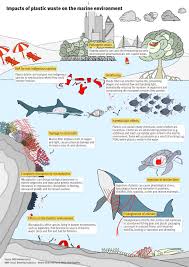
Plastics, especially microplastics, have become a pervasive form of pollution affecting land and water ecosystems.
Effects on biodiversity:
- Ingestion and entanglement: Animals mistake plastic for food or get entangled, leading to injury or death.
- Toxicity: Plastics release harmful chemicals as they degrade, poisoning marine and terrestrial life.
- Habitat alteration: Floating plastic debris alters aquatic habitats and can transport invasive species to new areas.
Example: Sea turtles often mistake plastic bags for jellyfish and ingest them, leading to fatal blockages.
- Noise Pollution
Noise pollution, largely caused by transportation, industry, and construction, affects both terrestrial and aquatic species.
Effects on biodiversity:
- Communication disruption: Many animals rely on sound for mating, hunting, or navigation. Noise interferes with these critical activities.
- Stress and behavioral changes: Chronic noise causes stress and alters behaviors such as feeding, migration, and reproduction.
Example: Marine mammals like whales and dolphins are particularly vulnerable. Ship noise disrupts their echolocation abilities, affecting their ability to find food and mates.
- Light Pollution
Light pollution from cities and industrial sites changes natural light patterns in the environment.
Effects on biodiversity:
- Disrupted migration: Many species, like sea turtle hatchlings, depend on natural light cues. Artificial lights can lead them astray.
- Altered predator-prey dynamics: Light can expose prey species at night, changing survival rates and ecosystem balances.
Example: Insects attracted to streetlights can be killed in large numbers, affecting birds and bats that depend on them for food.
Cumulative Impacts and Ecosystem Collapse
Pollution rarely acts alone. It often works with other pressures like habitat loss, climate change, and invasive species. Together, these stresses can push ecosystems beyond their breaking points, leading to “tipping points” where recovery becomes impossible.
Ecosystem collapse results in:
- Loss of species
- Reduced ecosystem services (like water purification)
- Increased vulnerability to natural disasters
- Food insecurity for humans and animals
Real-World Examples of Biodiversity Loss Due to Pollution
- Coral reefs: Pollution, combined with warming oceans, has led to widespread coral bleaching. Coral reefs support 25% of all marine species, meaning their loss affects countless organisms.
- Great Pacific Garbage Patch: A massive collection of floating plastic between California and Hawaii has devastated marine life in the area.
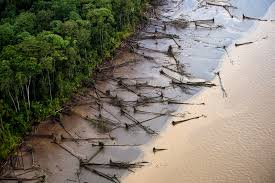
- Amazon Rainforest: Soil and water pollution from mining activities threaten one of the most biodiverse regions on Earth.
What Can Be Done?
Although pollution’s impacts are severe, it’s not too late to act. Solutions include:
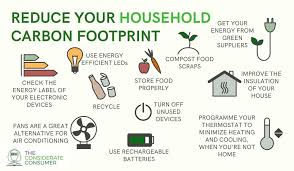
- Reducing emissions: Shifting to renewable energy sources can lower air pollution and combat climate change.
- Proper waste management: Recycling, composting, and reducing plastic use help limit land and water pollution.
- Sustainable agriculture: Limiting pesticide use and managing fertilizer runoff protect soils and water bodies.
- Marine protection: Creating marine protected areas can help ecosystems recover.
- Policy and regulation: Governments play a crucial role by enforcing environmental laws and supporting conservation efforts.
- Public awareness: Educating people about pollution’s impact on biodiversity encourages responsible behavior.
Conclusion
Pollution is a powerful and dangerous force that threatens the very fabric of life on Earth. It affects every level of biodiversity, from genes to ecosystems. However, with conscious action and global cooperation, we can reduce pollution, restore damaged ecosystems, and protect the incredible diversity of life that makes our planet so unique and beautiful.
At Study Rhino, we believe that education is the first step toward action. Understanding how pollution impacts biodiversity empowers us to make smarter choices and demand better protections for our planet.