
Literature has shaped societies, cultures, and minds throughout history. The written word has the power to inspire, educate, entertain, and provoke deep thought. Many famous authors have had an immense impact on literature and the world through their timeless works. In this article, we will explore some of the most influential authors from around the globe and delve into their most famous works that continue to resonate with readers today.
1. William Shakespeare (1564 – 1616)
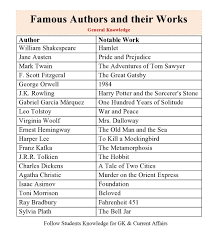
Often referred to as the “Bard of Avon,” William Shakespeare is perhaps the most famous writer in the English language. His works have not only influenced literature but have shaped the entire scope of drama and poetry. Shakespeare’s remarkable ability to explore human nature, love, betrayal, ambition, and tragedy is unmatched.
Famous Works:
- Romeo and Juliet: A tragic love story between two young lovers from feuding families. It is one of the most famous and frequently performed plays in the world.
- Hamlet: A complex tragedy that explores themes of revenge, madness, and morality. Hamlet’s soliloquy, “To be or not to be,” is one of the most iconic lines in literature.
- Macbeth: A story of unchecked ambition, guilt, and moral decay, Macbeth is a timeless exploration of the human psyche.
- A Midsummer Night’s Dream: A whimsical comedy that explores love, magic, and the complexities of relationships.
Shakespeare’s influence extends far beyond his works, which are studied and performed globally. His contributions to English language and culture cannot be overstated, and his themes remain universal to this day.
2. Leo Tolstoy (1828 – 1910)
A giant of Russian literature, Leo Tolstoy is best known for his novels that explore complex moral questions and the intricacies of human nature. His profound insights into life and his examination of spiritual themes make his works timeless and universally relevant.
Famous Works:
- War and Peace: A sweeping epic that delves into Russian society during the Napoleonic Wars. It examines the effects of war on individuals and families, focusing on characters like Pierre Bezukhov, Natasha Rostova, and Prince Andrei Bolkonsky.
- Anna Karenina: A tragic love story that critiques the hypocrisy and moral constraints of Russian society. It follows the life of Anna, who falls in love with Count Vronsky, leading to her downfall.
Tolstoy’s philosophy of non-violence, expressed in works such as “The Kingdom of God Is Within You,” profoundly influenced figures such as Mahatma Gandhi.
3. Charles Dickens (1812 – 1870)
Charles Dickens was a master of social commentary, using his works to expose the injustices and hardships of Victorian society. His vivid characters and storytelling style made him one of the most popular authors of his time, and his works continue to captivate readers around the world.
Famous Works:
- A Tale of Two Cities: Set during the French Revolution, this novel contrasts the lives of two cities—Paris and London—against the backdrop of political upheaval and personal sacrifice.
- Great Expectations: The coming-of-age story of Pip, an orphan boy who dreams of rising above his humble beginnings, explores themes of class, ambition, and personal growth.
- Oliver Twist: The story of an orphan boy who faces adversity in Victorian England, highlighting the plight of the poor and the corrupt institutions of the time.
Dickens’ ability to portray the hardships of the working class, his memorable characters, and his social critique have made his works essential reading.
4. Jane Austen (1775 – 1817)
One of the most beloved authors of English literature, Jane Austen is known for her keen observations of social class, relationships, and gender roles. Her works continue to captivate readers for their wit, irony, and insight into human nature.
Famous Works:
- Pride and Prejudice: Perhaps her most famous work, this novel follows the story of Elizabeth Bennet and her evolving relationship with the proud Mr. Darcy. It is a sharp critique of class, marriage, and societal expectations.
- Sense and Sensibility: The novel contrasts the rational Elinor Dashwood with her emotional sister Marianne, exploring themes of love, duty, and the balance between reason and passion.
- Emma: The story of a young woman named Emma Woodhouse, who fancies herself a matchmaker but ultimately learns valuable lessons about love and humility.
Austen’s novels explore the complexities of love and social dynamics, making them enduring favorites in the literary canon.
5. Mark Twain (1835 – 1910)
Mark Twain, the pen name of Samuel Clemens, is considered one of the greatest American writers. His humor, wit, and sharp social critique made his works both entertaining and thought-provoking. Twain’s works are characterized by their deep understanding of human nature and their exploration of issues such as race, class, and morality.
Famous Works:
- The Adventures of Huckleberry Finn: Often called the “Great American Novel,” this book follows the journey of Huck Finn and Jim, an escaped slave, as they raft down the Mississippi River. The novel deals with issues of race, freedom, and moral growth.
- The Adventures of Tom Sawyer: The story of a mischievous young boy growing up along the Mississippi River, it explores the themes of childhood, adventure, and friendship.
Twain’s works remain highly relevant, particularly for their candid treatment of social issues and their exploration of American identity.
6. Gabriel García Márquez (1927 – 2014)
A Colombian novelist and short story writer, Gabriel García Márquez was one of the most influential authors of the 20th century and a leading figure in Latin American literature. He is known for his use of magical realism, where fantastical elements are interwoven with reality.
Famous Works:
- One Hundred Years of Solitude: A landmark novel in the magical realism genre, this multigenerational family saga follows the Buendía family in the fictional town of Macondo. Themes of love, war, and fate are explored in this masterpiece.
- Love in the Time of Cholera: A romantic tale that spans decades, this novel follows the lifelong love story of Florentino Ariza and Fermina Daza, examining themes of love, obsession, and the passage of time.
García Márquez’s work has had a profound impact on both Latin American literature and global storytelling, offering a magical and poetic exploration of human experience.
7. Franz Kafka (1883 – 1924)
Franz Kafka, a German-speaking Jewish writer from Prague, is known for his works that explore themes of alienation, bureaucracy, and the absurdity of human existence. His writing style is often described as surreal and nightmarish, reflecting the anxiety and disillusionment of the modern world.
Famous Works:
- The Metamorphosis: The story of Gregor Samsa, who wakes up one day to find himself transformed into a giant insect, this novella explores themes of isolation, identity, and family dynamics.
- The Trial: A surreal exploration of a man, Josef K., who is arrested and put on trial for a crime he does not understand. It critiques the oppressive nature of bureaucratic systems and the absurdity of modern life.
Kafka’s exploration of existentialism and the absurd has had a lasting impact on literature and philosophy, influencing a wide range of writers and thinkers.
8. Haruki Murakami (1949 – Present)
A contemporary Japanese author, Haruki Murakami has gained international fame for his surreal and introspective novels that blend elements of magical realism, existentialism, and pop culture. His works explore themes of loneliness, identity, and the search for meaning.
Famous Works:
- Norwegian Wood: A coming-of-age novel that follows the protagonist, Toru Watanabe, as he navigates love, loss, and growing up in 1960s Japan.
- Kafka on the Shore: A complex novel that intertwines the stories of a 15-year-old boy named Kafka and an elderly man named Nakata. It explores themes of fate, memory, and the unconscious mind.
- 1Q84: A dystopian novel that blends reality and fantasy, following two characters as they navigate a strange, alternate Tokyo.
Murakami’s works have captivated readers worldwide with their introspective depth, surreal storytelling, and unique blend of Eastern and Western influences.
Conclusion
The world of literature is filled with remarkable authors whose works continue to shape the way we think, feel, and experience the world around us. From the timeless plays of William Shakespeare to the magical realism of Gabriel García Márquez, these writers have left a lasting legacy that endures across generations. Their works are not only cherished for their literary value but also for the profound insights they offer into the human condition, making them essential reading for any lover of literature. Whether you’re a fan of classics or contemporary fiction, these authors and their works remain a significant part of the global literary conversation.