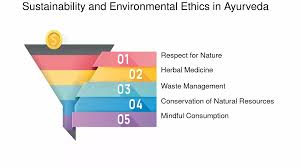

In an era where climate change, resource depletion, and environmental degradation are at the forefront of global discussions, the ethics of environmental sustainability have become increasingly significant. As humanity faces the pressing challenges of ensuring a livable planet for future generations, it is crucial to reflect on the ethical considerations that guide our actions and decisions. Environmental sustainability is not just a matter of scientific knowledge or policy development; it also involves deep ethical questions about our responsibilities to the planet, to other species, and to future generations.
What is Environmental Sustainability?
Environmental sustainability refers to the ability to meet the needs of the present without compromising the ability of future generations to meet their own needs. It involves managing natural resources in such a way that ecosystems remain healthy and biodiversity is preserved. This concept extends beyond simply “saving the environment” and includes a holistic approach that integrates social, economic, and cultural considerations.
However, while the scientific community has provided extensive research on how to reduce pollution, manage waste, and conserve biodiversity, the ethical questions surrounding environmental sustainability are more complex. These questions involve determining who holds responsibility for protecting the environment, who bears the burden of environmental harm, and what sacrifices individuals or communities must make for the sake of the planet.
Core Ethical Principles of Environmental Sustainability
Several ethical principles underlie the concept of environmental sustainability, and they provide the foundation for actions that aim to preserve the environment for the future.
1. Intergenerational Justice
One of the most fundamental ethical principles of environmental sustainability is intergenerational justice. This principle asserts that current generations have an ethical obligation to preserve the environment and its resources for future generations. The idea is that the actions of today’s society should not deplete resources or degrade ecosystems to the point where future generations are unable to meet their needs or live in a healthy environment.
Intergenerational justice raises important questions about fairness and responsibility. For example, is it ethical for developed nations, which have historically contributed most to environmental degradation, to impose stricter environmental policies on developing countries that are still working to lift their populations out of poverty? This question highlights the tension between the right to development and the obligation to safeguard the planet for the future.
2. Ecocentrism
Ecocentrism is an ethical perspective that places intrinsic value on the natural environment as a whole, rather than just on human beings. According to ecocentrism, the value of nature and its ecosystems is not contingent upon their usefulness to humans but exists independently of human interests. This view challenges anthropocentric (human-centered) ethics, which prioritize human needs and desires over the well-being of nature.
Ecocentrism calls for a rethinking of human-environment relationships, suggesting that we are not separate from nature but part of a larger, interconnected system. This view leads to the idea that all forms of life, from the smallest organisms to the largest ecosystems, deserve moral consideration and protection. Ecocentrism emphasizes the importance of preserving biodiversity, as every species plays a role in maintaining ecological balance.
3. The Precautionary Principle
The precautionary principle is an ethical guideline that urges action to prevent harm to the environment, even in the face of scientific uncertainty. It posits that when there is a potential for environmental harm, especially to vulnerable ecosystems or species, preventive measures should be taken, even if all the scientific evidence is not yet available to prove the exact nature of the risk.
This principle is crucial in the context of climate change, where the full extent of its impacts is still unfolding, but it is clear that they will be profound. The precautionary principle calls for urgent action to reduce emissions and limit other harmful environmental practices before irreversible damage occurs.
4. Environmental Justice
Environmental justice is a concept that addresses the unequal distribution of environmental harms and benefits, particularly in relation to marginalized communities. It is rooted in the idea that all people, regardless of race, ethnicity, or socioeconomic status, should have equal access to a healthy environment and should not bear a disproportionate share of environmental harms.
For instance, communities located near industrial sites or in poverty-stricken areas are often the most affected by pollution, toxic waste, and poor living conditions. Environmental justice challenges these inequities by advocating for policies that ensure vulnerable populations are not left behind in the pursuit of environmental sustainability.
Key Ethical Dilemmas in Environmental Sustainability
While the ethical principles outlined above provide a foundation for understanding environmental sustainability, real-world implementation often involves difficult dilemmas. Some of the most pressing ethical questions that arise include:
1. Balancing Economic Growth with Environmental Protection
One of the central ethical debates surrounding environmental sustainability is the balance between economic growth and environmental protection. Many argue that economic growth, particularly in developing nations, requires the exploitation of natural resources, which can lead to environmental degradation. Others believe that economic development and environmental protection are not mutually exclusive and that a green economy—one that emphasizes sustainable development—can offer long-term benefits to both people and the planet.
The ethical question here revolves around whether it is justifiable for individuals or nations to sacrifice environmental well-being in the pursuit of short-term economic gains, especially when the long-term consequences could be detrimental to future generations.
2. Corporate Responsibility vs. Individual Responsibility
Another ethical dilemma centers around the role of corporations versus individuals in environmental sustainability. Many of the most significant environmental challenges—such as carbon emissions, deforestation, and pollution—are driven by large corporations and industries. In this context, ethical questions arise about whether companies have a greater moral responsibility to act sustainably than individuals do.
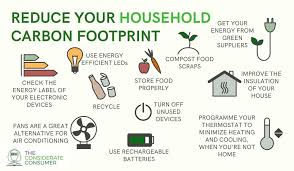
While individual actions, such as reducing waste or adopting a plant-based diet, can contribute to environmental sustainability, critics argue that these efforts are insufficient to address the scale of the environmental crises we face. They contend that systemic change is needed, and corporations should take the lead in adopting sustainable practices, such as reducing their carbon footprint and investing in green technologies.
3. The Rights of Nature
In recent years, there has been growing support for the idea that nature itself has rights, similar to human rights. This concept, known as the “rights of nature,” posits that natural entities—such as rivers, forests, and ecosystems—should be granted legal rights to exist, flourish, and be protected from harm. This radical shift in thinking challenges traditional legal frameworks that treat nature as property to be exploited for human benefit.
The ethical dilemma here concerns the question of how to balance the rights of nature with human interests. Should industries that rely on the exploitation of natural resources be required to respect the rights of nature, even if it limits their economic activities?
4. Global vs. Local Sustainability Efforts
Environmental sustainability is a global issue, but the responsibilities of individuals, communities, and nations may vary depending on their level of development and contribution to environmental problems. Developed nations have historically contributed more to environmental degradation, particularly through industrialization and excessive resource consumption. On the other hand, developing nations, while contributing less to global environmental problems, often bear the brunt of environmental harm, such as extreme weather events and rising sea levels.
The ethical question arises when considering how to address these global disparities. How can wealthy nations compensate for their historical role in environmental degradation? Should they take on a greater share of the responsibility for mitigating climate change and supporting sustainable development in poorer nations?
Conclusion: Ethics and the Path Forward
The ethics of environmental sustainability are not simple or straightforward, and the solutions to environmental challenges will require ongoing reflection, dialogue, and action. As global citizens, we must consider our ethical obligations to the planet, to future generations, and to other species. By embracing principles such as intergenerational justice, ecocentrism, the precautionary principle, and environmental justice, we can create a more equitable and sustainable world.
Ultimately, the pursuit of environmental sustainability is not only about the environment itself; it is about the values we hold and the kind of future we want to build. By navigating these ethical dilemmas thoughtfully, we can help ensure that future generations inherit a planet capable of sustaining life in all its diversity.