
Studying abroad is not only an exciting adventure but also an investment in your future. It can offer you a range of academic, personal, and professional benefits that extend far beyond the classroom. While many students initially seek to study abroad for the experience of living in a new country or gaining exposure to different cultures, the career benefits of studying abroad are often the most rewarding in the long run.
In today’s interconnected world, employers are increasingly looking for graduates who have international exposure and can adapt to diverse work environments. Studying abroad allows you to gain a unique set of skills and experiences that will distinguish you from other candidates and enhance your employability. Here, we explore the top career benefits of studying abroad.
1. Global Networking Opportunities
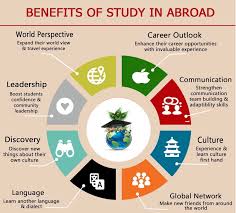
One of the most significant career benefits of studying abroad is the opportunity to build a global professional network. During your time abroad, you will meet peers, professors, alumni, and industry professionals from different countries and cultures. This international network can be incredibly valuable when it comes to finding job opportunities, internships, and business collaborations after graduation.
Many universities have strong connections with global companies, offering students access to exclusive job fairs, internship opportunities, and career mentoring. Additionally, international programs often encourage cross-border projects, where you work with peers from around the world, building relationships that can later turn into professional connections.
Networking with people from diverse backgrounds also opens doors to a wider variety of career paths. It’s common to hear stories of students who have landed jobs in foreign countries thanks to the connections they made while studying abroad. This broadens your career horizons, making you more adaptable in an increasingly globalized job market.
2. Enhanced Communication Skills
In today’s workplace, effective communication is crucial. Studying abroad helps you develop strong communication skills, both verbal and non-verbal. Living in a new country forces you to communicate in different languages or dialects, which helps improve your language proficiency and enhances your ability to understand diverse communication styles.
Even if you do not become fluent in the local language, the exposure to a multicultural environment strengthens your ability to understand different perspectives and tailor your communication accordingly. These skills are particularly valuable in multinational companies or roles that require international collaborations.
Employers value graduates who can work effectively with people from different backgrounds. The ability to navigate and communicate with a wide range of individuals enhances your employability and equips you with the skills needed to thrive in global teams.
3. Cultural Awareness and Sensitivity
As businesses become more international, cultural awareness has become an essential skill. Studying abroad provides firsthand experience of living and working in a different culture, helping you develop the cultural sensitivity necessary to succeed in a global job market.
You will learn to adapt to different social norms, work practices, and communication styles, all of which will help you build strong relationships with colleagues and clients from around the world. This cultural intelligence makes you more valuable to employers looking for individuals who can navigate diverse environments.
In many workplaces, cross-cultural teams are now the norm, and the ability to understand and embrace diversity is a skill that employers greatly value. By studying abroad, you demonstrate that you can thrive in a multicultural workplace and effectively collaborate with colleagues from various backgrounds.
4. Increased Independence and Self-Confidence
Studying abroad pushes you out of your comfort zone, requiring you to adapt to new environments and face challenges on your own. This experience helps you become more independent, resourceful, and confident in your abilities. These traits are highly valued in any professional setting.
The challenges of adjusting to a new academic system, managing your time effectively, and navigating unfamiliar social situations build resilience and problem-solving skills. You’ll learn how to manage stress, deal with uncertainty, and find solutions in complex situations — all of which are essential skills in the workplace.
Moreover, the sense of achievement from successfully living and studying abroad enhances your self-confidence, which can give you a competitive edge when applying for jobs or internships. Employers look for individuals who are self-assured, adaptable, and capable of handling difficult situations with grace.
5. Improved Problem-Solving and Critical Thinking Skills
Studying abroad involves facing challenges that require quick thinking and problem-solving. Whether it’s adjusting to a different academic system, navigating a new city, or dealing with cultural differences, these experiences help you become more creative and resourceful in solving problems.
This enhanced problem-solving ability is a skill that employers value highly. The ability to think critically, identify solutions to complex problems, and make informed decisions will make you a stronger candidate in any job market. Employers look for candidates who can bring fresh ideas and approaches to the table, and studying abroad helps you develop this mindset.
Additionally, the exposure to different perspectives and ways of thinking abroad challenges you to re-evaluate your assumptions and broaden your understanding of the world. This intellectual flexibility is a key asset in today’s rapidly changing job market, where innovation and adaptability are prized.
6. Increased Job Opportunities and Marketability
In many industries, international experience is a key differentiator in the job market. Employers often seek candidates who can bring a global perspective to their work, and having studied abroad signals to potential employers that you are open to new ideas and are comfortable in an international environment.
Having international experience on your resume can also make you a more attractive candidate to companies with a global presence. Many multinational corporations actively seek employees who have experience working or studying abroad, as they bring valuable insights into international markets and can manage cross-cultural teams more effectively.
Additionally, studying abroad demonstrates initiative, ambition, and a willingness to invest in your personal and professional growth. These qualities make you a more appealing candidate for a wide range of roles, from international business to diplomacy and beyond.
7. Development of Language Skills
While studying abroad, many students have the opportunity to immerse themselves in a new language, which can be a huge advantage in the job market. Even if you don’t become fluent in a foreign language, gaining proficiency in another language shows employers that you can adapt to new situations and are committed to learning.
Language skills are highly sought after in many industries, especially in fields like international business, diplomacy, tourism, and translation. Being able to speak more than one language enhances your communication abilities and opens up job opportunities in different countries or regions.
In a globalized job market, language skills can give you a significant edge over other candidates. They also demonstrate cultural sensitivity and the ability to work in diverse teams, both of which are important traits for employers.
8. Stronger Resume and Personal Brand
Studying abroad can be a powerful addition to your resume. It demonstrates that you have global exposure, independence, and the ability to adapt to new environments — all qualities that employers value. Having this experience on your resume can set you apart from other candidates who lack international experience.
In addition to building your professional qualifications, studying abroad also helps you develop a personal brand that emphasizes your global perspective and diverse skill set. This personal brand can be useful when applying for jobs or internships, as it shows you are open-minded, ambitious, and capable of navigating diverse environments.
Moreover, employers are often impressed by the initiative and planning involved in studying abroad. It shows that you are proactive about your career and are willing to go the extra mile to gain new skills and experiences.
9. Understanding of Global Economic and Political Trends
Studying abroad gives you a firsthand understanding of how different countries and regions operate economically and politically. This knowledge is particularly valuable if you are pursuing a career in international business, economics, or global affairs.
By being immersed in a new culture, you gain a unique perspective on how economic systems, government policies, and global trends affect businesses and individuals. This understanding of global issues can help you make more informed decisions in your career and contribute to your ability to analyze trends and predict future developments in your industry.
10. Preparation for International Careers
For students who aspire to have an international career, studying abroad is an essential step. Many global companies and organizations prefer candidates with international experience because they are better equipped to navigate the complexities of working in foreign markets.
Whether you plan to work in multinational corporations, diplomatic services, international NGOs, or even start your own global business, studying abroad provides a solid foundation for understanding the dynamics of the international job market. The skills, connections, and cultural insights gained while studying abroad will help you succeed in your international career.
Conclusion
Studying abroad is much more than just an academic endeavor; it is a career-boosting experience that offers numerous benefits. From expanding your professional network to enhancing your communication skills and cultural awareness, the advantages of studying abroad are numerous and far-reaching. In a globalized world, these skills and experiences are increasingly valued by employers, making you more competitive in the job market.
Whether you are looking to work for multinational corporations, engage in international trade, or simply broaden your horizons, studying abroad provides you with the tools and experiences needed to succeed. So, if you are considering studying abroad, take the plunge — it may be one of the best decisions you make for both your career and personal growth.