
Music is more than just a source of entertainment—it’s a powerful educational tool that contributes significantly to a child’s overall development. At Study Rhino, we believe in holistic education, where the arts and academics go hand in hand. Among the arts, music education stands out as a transformative force in shaping young minds, building cognitive skills, fostering emotional intelligence, and enriching school culture.
In this article, we’ll explore the wide-ranging benefits of music education in schools, backed by research and real-world examples, to show why it deserves a permanent place in the curriculum.
- Boosts Cognitive Development and Academic Performance
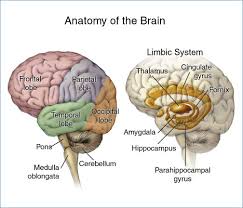
One of the most compelling arguments for music education is its impact on brain development. Multiple studies have shown that students who participate in music programs often outperform their peers in other academic subjects.
- Mathematics: Music involves counting beats, rhythms, and measures, which helps reinforce math skills. Learning musical timing can improve pattern recognition, ratios, and fractions—essential components of early math education.
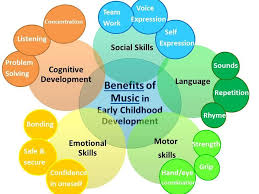
- Language and Reading Skills: Music education enhances auditory discrimination and verbal memory. Children who learn music are often better at identifying pitch, rhythm, and phonemic patterns, which translates into improved reading comprehension and language acquisition.
- Higher IQ and Standardized Test Scores: According to research from the University of Toronto, children who receive music lessons show greater increases in IQ compared to those who do not. Similarly, students involved in music tend to score higher on standardized tests like the SAT.
- Enhances Memory and Concentration
Playing a musical instrument or singing requires focused attention, coordination, and memorization. Whether a student is reading sheet music or learning a new piece by ear, they are exercising critical parts of the brain.
- Learning to read music and translate it into sound involves complex brain functions, activating both the left (logical) and right (creative) hemispheres.
- Practicing music regularly improves working memory, which is vital for learning, problem-solving, and multi-step tasks in other subjects.
- Develops Discipline and Patience
Mastering an instrument or learning a musical composition doesn’t happen overnight. It requires regular practice, perseverance, and self-discipline.
- Students learn to set goals (such as perfecting a song or performing in a recital), manage their time, and develop the patience to see long-term results.
- These habits carry over into academic life, where consistent effort often leads to success. Music teaches the valuable life lesson that progress requires dedication.
- Improves Social and Emotional Skills
Music education is not just a solitary activity. From school choirs and bands to group lessons, it fosters teamwork, empathy, and communication.
- Collaboration: Students learn to listen to each other, synchronize their playing, and work together towards a shared goal. This teamwork builds a sense of community and cooperation.
- Confidence and Self-Esteem: Performing in front of others—whether during a school assembly or a music competition—helps students overcome stage fright, develop public speaking skills, and build self-confidence.
- Emotional Expression: Music provides an emotional outlet, helping students express feelings they might not yet have the words to describe. This contributes to better emotional regulation and mental health.
- Encourages Creativity and Innovation
In a world driven by innovation, creativity is a highly valued skill. Music education nurtures imagination and creative thinking.
- Composing music or improvising encourages students to think outside the box, explore new ideas, and make original choices.
- Creative confidence gained from music often translates into other areas like writing, visual arts, and even science, where innovation thrives on imaginative thinking.
- Promotes Cultural Awareness and Inclusivity
Music is a universal language, but every culture has its unique musical traditions. Through music education, students gain exposure to diverse styles and instruments from around the world.
- Learning about global music fosters cultural appreciation, tolerance, and open-mindedness.
- Students begin to see the connections between music, history, geography, and societal development, making them more informed global citizens.
- Supports Mental Health and Well-being
In today’s fast-paced, high-pressure academic environment, music serves as a therapeutic escape.
- Playing or listening to music reduces stress, anxiety, and depression by lowering cortisol levels and releasing endorphins.
- For students facing emotional challenges, music provides a safe space for expression and coping.
- Group music-making also fosters a sense of belonging, which is crucial for emotional health and resilience.
- Builds Motor Skills and Coordination
Especially in younger students, music education supports physical development.
- Playing instruments like the violin, drums, or piano enhances hand-eye coordination, fine motor skills, and bilateral coordination.
- Singing, dancing, and rhythmic movement help develop gross motor skills and body awareness, which are essential for physical education and overall development.
- Provides Career Pathways
Music education can be more than a hobby—it can also open doors to exciting careers.
- Students inspired by music may go on to become performers, composers, sound engineers, music therapists, teachers, or arts administrators.
- Even for those who don’t pursue music professionally, the skills acquired—like discipline, creativity, and collaboration—are highly valued in every industry.
- Enriches the School Environment
Schools with strong music programs tend to have a more positive culture.
- Music events, concerts, and talent shows boost school spirit and bring communities together.
- They provide opportunities for parent involvement, student leadership, and peer recognition.
- Music gives students a sense of identity and pride in their school, contributing to higher attendance and lower dropout rates.
Real-World Success Stories
- Finland, known for its top-performing education system, incorporates music and the arts into its national curriculum, emphasizing the importance of creativity and emotional development.
- In the United States, schools with robust music programs in California and Texas have shown higher graduation rates and improved academic performance among at-risk youth.
- In India, several CBSE and ICSE schools are integrating music education through collaboration with organizations like Shankar Mahadevan Academy, bringing structured music training to classrooms.
Challenges and the Way Forward
Despite the clear benefits, music education often faces budget cuts and limited support, especially in under-resourced schools. To truly harness its power, we need to:
- Advocate for Policy Support: Education policies must prioritize music and the arts as essential, not optional, components of a well-rounded curriculum.
- Train Qualified Music Educators: Investing in teacher training ensures that students receive high-quality instruction and meaningful experiences.
- Make Music Accessible to All: Every child, regardless of their background or ability, should have access to instruments, lessons, and opportunities to perform.
- Leverage Technology: Online platforms, music apps, and virtual instruments can help bring music education to remote and rural areas.
Conclusion
At Study Rhino, we believe that music education is not a luxury—it’s a necessity. It develops the mind, touches the heart, and builds the soul. From improved academic performance to emotional resilience and cultural awareness, the benefits of music education in schools are undeniable and far-reaching.
By embracing music as a core part of education, we not only nurture well-rounded students but also prepare them to become thoughtful, creative, and compassionate individuals.
Let’s give music the space it deserves in our schools—because when students find their voice through music, they find confidence, connection, and the joy of lifelong learning