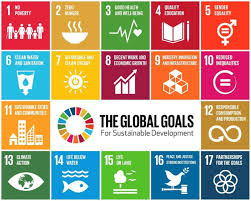

In today’s rapidly evolving world, the term sustainability is becoming increasingly vital, particularly in discussions about environmental conservation, resource management, and social responsibility. The importance of sustainability extends beyond the realm of environmental activism and touches upon all facets of modern life, from business practices to individual behaviors. But what exactly does sustainability mean? In this article, we will delve into the concept of sustainability, its principles, importance, and how it can be integrated into various sectors of society.
Understanding Sustainability
At its core, sustainability refers to the ability to maintain or improve certain conditions over the long term without depleting resources or causing irreversible harm. It is often broken down into three key pillars, each addressing a different aspect of life: environmental sustainability, economic sustainability, and social sustainability. The idea is to create a balance where human progress does not come at the expense of future generations. The most widely accepted definition of sustainability comes from the 1987 Brundtland Report, Our Common Future, which states that sustainability is “meeting the needs of the present without compromising the ability of future generations to meet their own needs.”
The Three Pillars of Sustainability
- Environmental Sustainability
Environmental sustainability focuses on the responsible use of natural resources to prevent depletion and ensure the health of ecosystems. It involves adopting practices that reduce pollution, conserve biodiversity, and minimize environmental damage. This pillar emphasizes the importance of maintaining the Earth’s natural systems, such as the water cycle, food production systems, and the atmosphere, so that they can continue to support life in the future.
Examples of environmental sustainability include:
- Renewable energy: Shifting from fossil fuels to renewable energy sources like solar, wind, and hydroelectric power.
- Conservation: Protecting forests, oceans, and wildlife through initiatives such as national parks, marine reserves, and wildlife corridors.
- Waste management: Reducing, reusing, and recycling materials to decrease waste that ends up in landfills and oceans.
- Sustainable agriculture: Practices such as crop rotation, organic farming, and the reduction of chemical pesticides and fertilizers.
- Economic Sustainability
Economic sustainability refers to the ability of an economy to support long-term economic growth without negatively impacting social and environmental well-being. It is about creating an economy that provides equitable access to resources and opportunities for all, without sacrificing the health of the planet or the welfare of future generations.
Key aspects of economic sustainability include:
- Green jobs: Promoting industries that focus on environmental conservation and renewable energy, such as solar power installation or waste management.
- Circular economy: Designing products and processes that minimize waste, promote reuse, and extend the life cycle of products.
- Responsible business practices: Encouraging companies to adopt sustainable practices, such as reducing carbon footprints, fair wages, and transparent supply chains.
- Social Sustainability
Social sustainability emphasizes the importance of maintaining social structures that promote health, equality, and well-being. It focuses on creating communities that can thrive in the long run, ensuring access to basic needs like education, healthcare, and housing. Social sustainability is rooted in the idea of fairness and justice, advocating for the rights of individuals and communities to live in a society that supports their well-being.
Some examples of social sustainability include:
- Equality and social justice: Ensuring equal access to resources, opportunities, and rights, especially for marginalized communities.
- Education and empowerment: Promoting education and skill development that enable people to contribute to their communities and make informed decisions.
- Health and well-being: Access to clean water, nutritious food, and adequate healthcare, as well as mental health support and opportunities for recreation.
Why is Sustainability Important?
Sustainability is crucial for several reasons, primarily due to the increasing pressure on our planet’s resources. As the global population continues to grow, we are consuming more resources than ever before. This unsustainable pattern of consumption is contributing to climate change, biodiversity loss, and resource depletion.
Here are some key reasons why sustainability is important:
- Environmental Protection
The Earth’s natural systems, such as its climate, air, water, and soil, are being significantly impacted by human activities. Deforestation, pollution, and overconsumption of resources are damaging these systems. Without proper environmental sustainability practices, we risk destabilizing these systems, leading to catastrophic consequences for both humans and wildlife. Sustainability helps mitigate these risks by promoting practices that protect the environment.
- Future Generations
One of the primary reasons for advocating sustainability is to ensure that future generations inherit a planet capable of sustaining their lives. Unsustainable practices today could lead to resource shortages, loss of biodiversity, and environmental degradation, making it more difficult for future generations to meet their basic needs.
- Social Well-being
Sustainability is not only about the environment but also about ensuring that social needs are met equitably. By creating more sustainable communities, we can address issues such as poverty, inequality, and access to resources. A focus on social sustainability helps build more resilient and inclusive societies that can better withstand challenges like climate change or economic crises.
- Economic Stability
Sustainability promotes long-term economic stability by encouraging practices that are both profitable and environmentally responsible. By investing in green technologies, businesses can drive innovation, create jobs, and ensure their operations are resilient to future environmental changes. Moreover, sustainable practices can reduce operational costs, such as energy consumption and waste disposal, benefiting companies in the long run.
- Climate Change Mitigation
Climate change is one of the most urgent issues facing humanity today. Rising temperatures, changing weather patterns, and extreme weather events are all linked to unsustainable practices, particularly the burning of fossil fuels. Sustainability plays a critical role in mitigating climate change by promoting renewable energy sources, energy efficiency, and carbon reduction strategies.
Integrating Sustainability into Daily Life
While large-scale policies and global initiatives play a vital role in promoting sustainability, individual actions are equally important. Everyone has a part to play in making the world more sustainable. Here are a few ways individuals can contribute:
- Reduce, Reuse, Recycle
One of the easiest ways to embrace sustainability is through mindful consumption. By reducing waste, reusing materials, and recycling whenever possible, individuals can significantly decrease the environmental impact of their everyday activities.
- Opt for Renewable Energy
Where possible, individuals can choose renewable energy sources for their homes or workplaces. Solar panels, wind energy, and geothermal energy are all sustainable alternatives to traditional fossil fuels. Even small changes, such as using energy-efficient appliances, can make a big difference.
- Sustainable Transportation
The transportation sector is one of the largest contributors to greenhouse gas emissions. By using public transportation, carpooling, biking, or walking, individuals can help reduce their carbon footprint. Moreover, adopting electric vehicles (EVs) is a growing trend that can further reduce emissions.
- Support Sustainable Brands
Consumers can promote sustainability by supporting brands and companies that prioritize ethical sourcing, fair wages, and eco-friendly practices. By choosing products with minimal environmental impact or investing in companies with strong sustainability policies, individuals can drive demand for more responsible production methods.
- Conserve Water and Energy
Water conservation is a key element of sustainability, as freshwater resources are finite. Simple actions like turning off the tap when not in use, fixing leaks, and using water-efficient appliances can conserve this precious resource. Similarly, reducing energy consumption by turning off lights, unplugging devices, and using energy-efficient bulbs can lower carbon emissions.
Conclusion
Sustainability is not just a buzzword; it is an essential concept that should permeate every aspect of society. It involves the careful management of our natural resources, ensuring economic opportunities are equitable and long-lasting, and promoting social well-being for all. By focusing on environmental, economic, and social sustainability, we can create a balanced world that allows for growth and development without compromising the ability of future generations to meet their needs.
Incorporating sustainability into daily life, from individual actions to corporate practices and governmental policies, is key to securing a more stable and resilient future. It’s a collective responsibility that requires participation from every corner of society, and the benefits of achieving true sustainability will be felt by generations to come.