

Ethical decision-making is a vital skill for navigating both personal and professional environments. It involves evaluating a situation from a moral perspective, considering all stakeholders involved, and making a decision that aligns with ethical principles such as fairness, justice, and respect for individuals’ rights. In an age where moral dilemmas are common, knowing how to apply ethical decision-making is essential for leaders, educators, students, and professionals in all fields.
This article explores the importance of ethical decision-making and offers a structured approach to applying it effectively.
The Importance of Ethical Decision Making
Ethics is the branch of philosophy that deals with questions about what is morally right and wrong. In our everyday lives, we are constantly faced with decisions that have moral implications. The ability to make ethical decisions is crucial because it helps build trust, respect, and integrity, which are the foundation of personal relationships and professional success.
In education, the application of ethical decision-making can guide teachers, administrators, and students to act responsibly. Ethical decision-making supports a fair, inclusive, and respectful environment, whether it involves managing a classroom, addressing academic dishonesty, or handling student concerns. For students, understanding ethical decision-making helps them navigate dilemmas in their personal lives and prepares them for future challenges in the workforce.
Key Principles of Ethical Decision Making
Before applying ethical decision-making, it is important to understand the key ethical principles that should guide the process. These principles include:
- Respect for Autonomy: This principle emphasizes the right of individuals to make their own decisions. When making ethical choices, it’s essential to consider how the decision respects the autonomy of others involved, giving them the freedom to make their own choices while ensuring they have the information to do so.
- Beneficence: This principle focuses on promoting the well-being of others. An ethical decision should aim to do good and provide benefits to others, whether it’s improving a situation or protecting someone from harm.
- Non-Maleficence: This principle is rooted in the idea of “do no harm.” Ethical decision-making should prioritize preventing harm to others, minimizing negative impacts, and avoiding actions that could lead to harm, either intentionally or unintentionally.
- Justice: Justice refers to fairness and equality. Ethical decisions should be fair to all parties, ensuring equal treatment and avoiding discrimination or bias.
- Fidelity: This principle stresses the importance of being loyal and keeping promises or commitments. In decision-making, fidelity involves honoring obligations and being transparent in actions.
- Integrity: Integrity involves being honest and acting with strong moral principles. When making decisions, integrity requires that you are truthful and consistent in your actions, even when it might be easier to compromise.
The Ethical Decision-Making Process
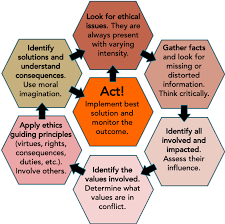
The process of making ethical decisions can be broken down into several steps. These steps help ensure that decisions are well thought out, morally sound, and aligned with ethical principles. Here’s how to apply ethical decision-making in a structured way:
1. Identify the Ethical Issue
The first step in ethical decision-making is to clearly identify the ethical issue at hand. This involves recognizing situations where a decision may have moral implications and understanding why the decision is important. Ask yourself questions like:
- What are the possible consequences of this decision?
- Who will be affected by this decision?
- Are there moral considerations that need to be weighed?
Understanding the issue fully ensures that no important aspect of the situation is overlooked.
2. Gather Information
Once the ethical issue has been identified, it’s important to gather all relevant information. This includes facts, laws, policies, and the perspectives of those who may be affected by the decision. Take the time to research the situation thoroughly and gather input from stakeholders, as this helps make a well-informed decision.
For example, if you are deciding whether or not to allow a student to retake an exam after missing the original one, gather information about the student’s situation, the school’s policies, and how other students might be affected.
3. Consider the Stakeholders
Ethical decisions often affect multiple stakeholders, and it’s important to consider how each group will be impacted by the decision. Stakeholders can include:
- Individuals directly involved in the decision
- Those who may be indirectly affected
- Communities or organizations that could be influenced by the outcome
Consider the ethical principles of fairness, respect, and justice in evaluating how your decision might impact different groups.
4. Explore Alternatives
Before making a final decision, explore possible alternatives. Ethical decision-making involves considering various options and weighing the potential benefits and harms of each one. For instance, if faced with a dilemma about whether to discipline a student for academic dishonesty, you might consider alternatives such as:
- Providing additional support to the student and offering a second chance
- Imposing disciplinary action while offering guidance on ethical behavior
- Offering a restorative justice approach, such as counseling and educational workshops
Each alternative should be evaluated according to ethical principles, such as whether it promotes the well-being of the individual and whether it is fair to all parties involved.
5. Make the Decision
After considering the alternatives, it’s time to make a decision. This step involves choosing the option that aligns best with your ethical principles, values, and the interests of all stakeholders. Remember to prioritize fairness, integrity, and respect for others’ rights and well-being.
For example, when deciding whether or not to report a colleague’s unethical behavior, consider not only the legal and organizational implications but also the broader ethical responsibility to protect the rights and dignity of others in the workplace.
6. Implement the Decision
Once a decision has been made, the next step is to implement it. Ethical decisions must be carried out with transparency and consistency. This means communicating the decision clearly to all involved parties, ensuring that everyone understands the reasoning behind the decision and the expected outcomes.
In an educational context, this may involve explaining to a student the reasoning behind a disciplinary action, ensuring they have a chance to ask questions, and providing support for them to improve.
7. Evaluate the Decision
After implementing the decision, it’s crucial to evaluate its outcomes. Did the decision lead to the desired ethical results? Were there any unintended negative consequences? Reflecting on the decision helps identify areas for improvement in future ethical decision-making. Continuous evaluation is key to ensuring that ethical decision-making is always improving and adapting to new challenges.
Ethical Decision-Making in Different Contexts
Ethical decision-making can vary across different contexts, but the principles and process remain consistent. Here are some examples of how ethical decision-making applies in various fields:
In Education
For educators, ethical decision-making is essential in managing classrooms, addressing student concerns, and enforcing academic integrity. For instance, deciding how to handle a case of cheating requires balancing the need for fairness and justice while also considering the student’s circumstances and potential for growth.
In Business
In the business world, ethical decision-making involves not only compliance with laws and regulations but also considering the impact on employees, customers, and society. A company must decide whether to prioritize profits or the well-being of its employees, customers, and the environment. Ethical business decisions can help build a positive corporate reputation and contribute to long-term success.
In Healthcare
Healthcare professionals often face ethical dilemmas that involve life-and-death decisions, patient autonomy, and the allocation of limited resources. For example, when deciding how to treat a patient with a life-threatening illness, healthcare professionals must consider the benefits and harms of different treatment options, the patient’s wishes, and the potential impact on others in need of care.
Conclusion
Ethical decision-making is an indispensable skill that affects every area of life, from personal interactions to professional responsibilities. By understanding the key ethical principles and following a structured process for decision-making, individuals can make choices that respect the rights and dignity of others, promote well-being, and contribute to a just society.
Whether you are an educator, student, healthcare professional, or business leader, applying ethical decision-making can help you navigate complex moral dilemmas with integrity and fairness. With practice, anyone can improve their ethical decision-making abilities and make a positive impact on their communities and professions.
4o mini