
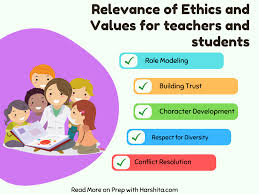

Education serves as the cornerstone of human development, shaping individuals’ knowledge, skills, and attitudes. However, beyond the basic acquisition of facts and technical skills, education plays a vital role in the ethical development of individuals. Ethics in education is not just about teaching students to distinguish between right and wrong; it is about creating a foundation of moral reasoning, promoting fairness, integrity, and responsibility in learning environments. In this article, we will explore the crucial role that ethics plays in education, its impact on students, educators, and the educational system as a whole.
Understanding Ethics in Education
Ethics, broadly defined, is the branch of philosophy that deals with questions about what is morally right and wrong, good and bad, fair and unfair. In the context of education, ethics refers to the moral principles that guide the behavior of educators, students, and educational institutions. These principles influence the relationships between students and teachers, the approach to learning and assessment, and the creation of an equitable and inclusive environment.
In an educational setting, ethics guides how educators interact with students, how they treat sensitive topics, and how they ensure fairness and justice in their practices. Similarly, students are expected to adhere to ethical guidelines that promote honesty, respect for others, and the value of education itself.
The Ethical Responsibilities of Educators
Educators hold significant responsibility, not only as knowledge transmitters but also as moral guides. They serve as role models, influencing the behavior, attitudes, and moral development of their students. As such, they must be aware of the ethical implications of their actions and decisions. Key ethical responsibilities of educators include:
1. Promoting Fairness and Justice
One of the primary ethical responsibilities of educators is to ensure that all students are treated fairly and equitably. This includes providing equal opportunities for learning, regardless of a student’s background, socioeconomic status, or personal characteristics. Educators must avoid any form of discrimination and create an inclusive learning environment where all students can thrive.
2. Upholding Integrity
Integrity in education means adhering to moral and academic standards. Educators are expected to promote honesty and academic integrity, discouraging cheating, plagiarism, and dishonesty. By fostering an environment of trust and responsibility, educators not only uphold the value of education but also encourage students to value their own work and achievements.
3. Respecting Students’ Dignity
Ethical educators respect the inherent dignity of their students. This involves being sensitive to their needs, listening to their concerns, and treating them with empathy and respect. It also means creating a safe and supportive environment where students feel valued and heard. Disrespect, bullying, or any form of harmful behavior should never be tolerated.
4. Fostering Critical Thinking
Educators should encourage students to think critically and question assumptions, including moral and ethical issues. This helps students develop the capacity to make informed decisions and understand the complexities of moral dilemmas. By promoting critical thinking, educators equip students to navigate ethical challenges both in their academic and personal lives.
The Role of Ethics in Shaping Students’ Character
While educators play a critical role in promoting ethical behavior, students are also active participants in the ethical environment of their education. The ethical framework provided by schools helps shape students’ values and character. Students learn how to interact with others, handle conflicts, and engage with the world in a responsible and compassionate way.
1. Instilling Moral Values
Education offers students the opportunity to develop moral values such as honesty, responsibility, respect, and fairness. These values form the foundation of ethical decision-making and guide students as they grow into responsible citizens. By engaging with ethical dilemmas in class discussions or real-life scenarios, students develop the tools to navigate moral challenges in a complex world.
2. Encouraging Personal Accountability
Ethics in education encourages students to take responsibility for their actions. This includes taking accountability for their academic work, behavior, and relationships with peers and teachers. Ethical education fosters a sense of personal responsibility that extends beyond the classroom, preparing students for the responsibilities they will face in their future careers and communities.
3. Promoting Social Responsibility
Ethics in education also emphasizes the importance of contributing to the broader community. Students are encouraged to think about their impact on society and engage in behaviors that promote social good. This could involve community service, advocacy for social justice, or simply being considerate of others in their everyday actions.
The Ethical Challenges in Education
Despite its importance, ethics in education is not without its challenges. Educators often face difficult ethical decisions that require careful consideration of multiple factors. Some of the common ethical challenges in education include:
1. Balancing Equity and Excellence
One of the key challenges for educators is ensuring that all students have equal access to educational opportunities while maintaining high academic standards. Striking a balance between equity (providing opportunities for all students) and excellence (ensuring high performance) requires thoughtful decision-making and an understanding of individual students’ needs.
2. Handling Diverse Beliefs and Values
In multicultural and diverse classrooms, educators must navigate the challenge of respecting a wide range of cultural beliefs, values, and perspectives. Ethical dilemmas can arise when students’ values conflict with those of their peers, the curriculum, or societal norms. Educators must find ways to create an inclusive environment where all students feel respected and their beliefs are valued.
3. Addressing Misconduct and Unethical Behavior
Teachers must handle instances of misconduct, such as cheating or bullying, with fairness and integrity. Deciding the appropriate course of action in such situations requires careful consideration of the severity of the behavior, the impact on others, and the underlying causes of the misconduct. Additionally, educators must ensure that their responses are consistent, transparent, and in line with ethical guidelines.
4. The Ethics of Testing and Assessment
Standardized testing and assessment are common in education, but they raise ethical questions regarding fairness, accuracy, and the potential for bias. Educators must ensure that assessments are designed and implemented in a way that accurately reflects students’ abilities and learning progress while avoiding discrimination based on race, gender, or socioeconomic status.
Ethics in Educational Policy and Administration
Ethics also plays a significant role at the institutional level. School administrators, policymakers, and education leaders are responsible for setting ethical standards that affect the broader educational system. They must ensure that schools uphold ethical principles in their operations, from hiring practices to the distribution of resources.
1. Transparency in Decision-Making
Ethical leadership in education requires transparency in decision-making. Educational leaders must ensure that their decisions are made with fairness, openness, and accountability. This includes decisions related to budget allocation, curriculum design, and hiring practices. Transparency fosters trust within the educational community and ensures that all stakeholders—students, teachers, and parents—are informed and involved in the process.
2. Ensuring Access to Education
Ethics in educational policy also involves ensuring that all students have access to quality education, regardless of their background. This includes addressing disparities in resources, addressing issues of discrimination, and creating policies that promote inclusion and diversity. Ethical educational leaders must advocate for policies that reduce inequality and provide opportunities for all students to succeed.
3. Supporting Educators’ Ethical Development
Just as students need guidance in their ethical development, educators themselves require support in navigating ethical challenges. Professional development programs, mentoring, and ethical codes of conduct are essential for helping educators uphold high moral standards in their practice. Institutions must prioritize the ethical development of their staff to ensure that educators are well-equipped to handle the complexities of modern education.
Conclusion
The role of ethics in education cannot be overstated. It shapes the way students, educators, and institutions engage with each other and with the larger community. From promoting fairness and integrity to fostering personal and social responsibility, ethics is central to the educational experience. Educators must model ethical behavior and create environments that encourage students to think critically about moral issues and act with compassion and responsibility. As society continues to evolve, the importance of ethical education will only grow, helping to create a future in which individuals are not only knowledgeable but also wise, just, and committed to the greater good.
Last Update: April 26, 2025