
Leadership is not just about holding a title or being in charge. True leadership means inspiring, guiding, and influencing others toward a common goal. Whether you’re a student aiming for a class representative position, planning to lead a club, or simply hoping to be a role model among your peers, building leadership skills is a journey that starts early and continues throughout life.
In this guide by Study Rhino, we will explore what leadership really means, why it’s important, and how students can actively develop their leadership skills starting today.
What is Leadership?
Leadership is often mistaken for authority or control, but true leadership is about service, responsibility, and influence. A leader empowers others, sets a vision, and helps people achieve their best. Leadership is built on qualities like empathy, communication, decision-making, and resilience.
Famous leaders like Mahatma Gandhi, Malala Yousafzai, and Martin Luther King Jr. showed us that leadership comes from purpose, courage, and compassion, not just from power or wealth.
Why Leadership Skills Matter for Students
You might wonder, “Why should I worry about leadership skills while I’m still in school?” Here’s why:
- Career Opportunities: Leadership skills are highly valued by universities and employers.
- Confidence Building: Taking initiative boosts your self-esteem and helps you trust yourself.
- Problem-Solving Abilities: Leaders learn how to think critically and solve problems creatively.
- Teamwork and Collaboration: Leadership involves working with others, a vital skill for life.
- Positive Influence: You can inspire change in your school, community, or even larger society.
In short, leadership is not just for “future” careers—it’s a skill that improves your daily life right now.
Core Leadership Skills Every Student Should Develop
Let’s dive into the essential skills that form the foundation of great leadership:
- Communication
Good leaders are excellent communicators. This means:
- Listening actively to understand others.
- Speaking clearly and confidently.
- Adapting messages for different audiences.
Tip: Practice public speaking. Join clubs like the debate team or Model United Nations to polish your communication.
- Responsibility
Leadership means taking ownership of your actions—and your team’s outcomes. A responsible leader:
- Meets deadlines.
- Admits mistakes.
- Looks for solutions instead of excuses.
Tip: Start by being responsible for small tasks, like organizing a class project or managing a group assignment.
- Emotional Intelligence
Understanding and managing your own emotions—and recognizing the emotions of others—is key. Leaders with high emotional intelligence:
- Stay calm under pressure.
- Empathize with team members.
- Resolve conflicts peacefully.
Tip: Reflect on your feelings at the end of the day. Journaling can help you become more self-aware.
- Decision-Making
Every leader must make decisions, often under pressure. Good decision-making involves:
- Gathering information.
- Weighing options carefully.
- Being decisive and sticking to a plan.
Tip: When facing choices, list pros and cons. Practice making small decisions quickly to build confidence.
- Vision and Goal-Setting
Leaders have a clear idea of what they want to achieve. Setting goals provides direction and purpose.
Tip: Write down short-term and long-term goals for your school year. Break them into actionable steps.
- Teamwork and Collaboration
No leader succeeds alone. Building strong, motivated teams is essential.
Tip: Volunteer for group projects or student organizations where you can practice leading a team.
- Adaptability
Change is constant. Leaders must be flexible and willing to adjust their plans.
Tip: Challenge yourself by trying new activities, even if they seem uncomfortable at first.
Practical Ways to Build Leadership Skills
You don’t have to wait until you’re an adult to develop leadership skills. Here’s how you can start building them now:
- Take on Responsibilities at School
- Join student government.
- Organize events like cultural fests or sports meets.
- Lead a study group.
When you step up, you naturally start developing leadership habits.
- Volunteer in Your Community
Leadership often begins with service. Volunteer at a local NGO, hospital, or animal shelter. Helping others teaches empathy, patience, and teamwork.
- Participate in Extracurricular Activities
Clubs, sports teams, and arts programs are perfect platforms for leadership growth. Whether you’re the captain of a football team or the editor of the school magazine, you gain valuable experience.
- Find a Mentor
Learning from someone experienced can make a big difference. Teachers, coaches, and older students can guide you, offer feedback, and share their leadership experiences.
Tip: Don’t hesitate to ask for advice. Leaders are always learning!
- Practice Self-Discipline
Leadership demands discipline. This means managing your time, sticking to commitments, and setting personal standards for excellence.
Tip: Create a daily routine that balances school, hobbies, and relaxation. Use planners or apps to stay organized.
- Read About Great Leaders
Books and biographies can inspire you and teach valuable lessons. Some great reads include:
- “Long Walk to Freedom” by Nelson Mandela
- “I Am Malala” by Malala Yousafzai
- “Start with Why” by Simon Sinek
Learning from others’ journeys can shape your own leadership path.
Overcoming Challenges in Leadership
Leadership is rewarding, but it’s not always easy. Here are some common challenges—and how to overcome them:
- Fear of Failure
It’s natural to fear mistakes. But remember: every great leader has failed at some point. Failure is not the end—it’s a stepping stone.
Solution: Reframe failure as feedback. Ask yourself, “What can I learn from this?”
- Handling Criticism
Not everyone will agree with you. Some may even criticize you unfairly.
Solution: Listen to constructive feedback. Stay calm, and use criticism to grow stronger.
- Managing Conflicts
Disagreements are part of teamwork. A leader must ensure conflicts don’t derail the team’s progress.
Solution: Stay neutral, listen to all sides, and find a fair resolution.
Leadership Styles: Finding Yours
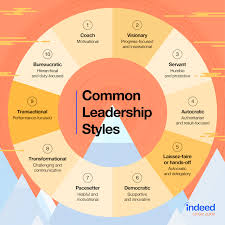
Not every leader leads the same way. Here are a few styles you might explore:
- Democratic Leader: Values input from the group.
- Transformational Leader: Inspires others with a vision.
- Servant Leader: Prioritizes the team’s needs above personal gain.
- Autocratic Leader: Makes quick decisions independently (sometimes necessary in emergencies).
Tip: Experiment with different styles in different situations to see what suits you best.
Conclusion: Leadership is a Lifelong Journey
At Study Rhino, we believe that leadership is not about being the loudest voice or the bossiest team member. It’s about serving, inspiring, and making a positive impact.
Building leadership skills doesn’t happen overnight. It requires patience, practice, and a willingness to step outside your comfort zone. Whether you dream of leading a student council today or a multinational company tomorrow, the habits you build now will pave the way.
Start small. Stay consistent. Believe in yourself.
Your leadership journey begins now!
Would you also like me to create a short “Leadership Challenge” activity sheet for students to go along with this article? 🚀