
In today’s fast-paced world, we are often caught up in the demands of academics, work, and technology. Despite this, maintaining physical fitness remains crucial, not only for our health but also for our mental well-being and overall development. Whether you’re a student, professional, or someone juggling multiple responsibilities, physical fitness plays a vital role in enhancing your productivity, boosting your immune system, and improving your emotional health.
What is Physical Fitness?
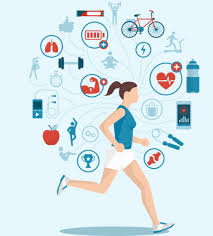
Physical fitness refers to the ability of an individual to carry out daily tasks efficiently and effectively, without undue fatigue. It includes a combination of various components like cardiovascular endurance, muscular strength, flexibility, and body composition. Fitness is not just about performing physical activities but is also about adopting a healthy lifestyle through regular exercise, balanced nutrition, and adequate rest.
While physical fitness might seem like an obvious necessity for athletes or those in physically demanding professions, it is equally important for everyone. The benefits of staying fit extend far beyond the physical aspects and encompass mental, emotional, and even social well-being.
Physical Fitness and Academic Performance
For students, the importance of physical fitness cannot be overstated, as it directly impacts academic performance. Studies have consistently shown a positive correlation between physical activity and cognitive abilities, memory retention, and focus. When students engage in physical exercises, the brain is better oxygenated, which improves concentration, memory, and learning capacity.
Exercise stimulates the release of endorphins, which are often referred to as “feel-good” hormones. These hormones help reduce stress and anxiety, leading to a more relaxed state of mind. For students facing the pressures of exams and deadlines, engaging in physical activities like jogging, cycling, or even yoga can provide an effective stress-relief mechanism, ultimately improving their academic outcomes.
Additionally, regular physical activity improves sleep patterns, which are essential for memory consolidation and cognitive function. With better sleep, students are more alert and energized, contributing to improved performance in class and study sessions.
Physical Fitness and Mental Health
In the digital age, mental health issues are on the rise, particularly among young adults and students. Stress, anxiety, and depression have become increasingly prevalent due to various pressures, such as academic workload, social media influence, and societal expectations. Physical fitness serves as an effective tool in combating these issues.
Exercise is known to reduce symptoms of anxiety and depression. The act of exercising triggers the release of endorphins and other neurochemicals, which not only improve mood but also provide a natural anti-anxiety effect. Regular physical activity promotes mental clarity and helps manage emotions, providing individuals with a healthier and more balanced outlook on life.
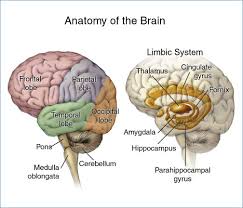
Moreover, physical fitness promotes the growth of brain cells in areas responsible for regulating mood and stress responses. Aerobic exercises, such as running or swimming, have been shown to increase the size of the hippocampus, an area of the brain involved in memory and emotional regulation. This means that maintaining physical fitness can contribute to better emotional control and resilience to mental health challenges.
Physical Fitness and Social Benefits
Physical fitness also offers several social benefits. Group exercise activities, such as team sports or fitness classes, provide opportunities for individuals to engage with others in a social setting. This can foster a sense of community, reduce feelings of isolation, and encourage teamwork and collaboration.
For students, participating in extracurricular activities like sports clubs or fitness groups can build friendships and offer a sense of belonging. Social interactions in such environments also promote positive communication skills, empathy, and conflict resolution abilities.
Moreover, physical fitness can help individuals develop discipline and a sense of responsibility, which can positively affect their relationships with peers and family members. The habits learned through regular exercise, such as time management, perseverance, and goal-setting, can be transferred to other areas of life, including work and studies.
Physical Fitness and Career Success
In today’s competitive job market, employers are increasingly recognizing the value of employees who prioritize physical fitness. Physical fitness contributes to higher levels of energy, better mental focus, and enhanced productivity—all qualities that are highly valued in the workplace.
Employees who engage in regular physical activity are also less likely to experience burnout or job-related stress. Exercise helps regulate the body’s stress hormones and promotes relaxation, enabling individuals to handle workplace challenges with a clear mind and calm demeanor. Additionally, physically fit individuals are less prone to illness, leading to fewer sick days and more consistent productivity.
In many professions, physical fitness is also a key requirement. For example, jobs in the military, emergency services, law enforcement, and athletics demand a high level of physical fitness. These roles often involve strenuous physical tasks that require stamina, strength, and agility. For individuals pursuing careers in these fields, staying fit is not just a matter of personal health—it is essential for job performance.
Physical Fitness and Healthy Aging
As we age, physical fitness becomes even more important. Regular exercise helps maintain muscle mass, bone density, and flexibility, all of which naturally decline with age. By incorporating strength training and cardiovascular activities into daily routines, older adults can reduce the risk of falls, fractures, and other age-related health issues.
Exercise also plays a key role in preventing chronic conditions such as heart disease, diabetes, and high blood pressure, which become more common with age. A physically active lifestyle can enhance mobility, improve balance, and boost overall vitality, helping individuals maintain independence and quality of life as they grow older.
The Link Between Physical Fitness and Nutrition
Physical fitness is closely linked to proper nutrition. Eating a balanced diet rich in vitamins, minerals, and protein is essential to fuel the body for exercise and aid in recovery. Hydration also plays a critical role in maintaining energy levels during physical activity.
The combination of regular exercise and a balanced diet enhances metabolism and helps maintain a healthy weight. Poor nutrition, on the other hand, can lead to fatigue, decreased physical performance, and even long-term health complications.
For students, a nutritious diet can enhance physical performance, providing the energy necessary for daily activities. Foods rich in omega-3 fatty acids, for example, have been shown to improve cognitive function, while proteins help repair and build muscles after exercise. Consuming whole grains, fruits, and vegetables can keep energy levels stable throughout the day, promoting better focus during study sessions.
Overcoming Barriers to Physical Fitness
While the benefits of physical fitness are clear, many individuals struggle to maintain a consistent fitness routine. Time constraints, lack of motivation, and access to facilities can often pose barriers to regular exercise.
To overcome these challenges, it’s important to find activities that are both enjoyable and sustainable. For students, engaging in physical fitness doesn’t have to mean spending hours at the gym. Simple activities such as walking, cycling, or doing home workouts can be just as effective. Additionally, integrating physical activity into daily routines—such as taking the stairs instead of the elevator or walking to school—can help maintain an active lifestyle.
Setting realistic fitness goals and tracking progress can also provide motivation and a sense of accomplishment. Creating a schedule and sticking to it helps in making physical fitness a habit rather than a chore.
Conclusion
In conclusion, the importance of physical fitness extends far beyond just physical health. It is essential for mental and emotional well-being, academic performance, social interactions, and career success. For students, regular exercise can improve focus, reduce stress, and boost cognitive abilities, leading to better academic results. For adults, physical fitness plays a key role in career success and healthy aging, while also enhancing overall quality of life.
Incorporating physical activity into daily routines is one of the most effective ways to improve health, well-being, and productivity. By making physical fitness a priority, individuals can unlock a healthier, happier, and more successful life, both in their personal and professional endeavors.