
The French Revolution, one of the most significant events in world history, occurred between 1789 and 1799. It radically transformed France and had far-reaching effects on the world, influencing the course of modern history. This article delves into the causes of the French Revolution, the key events that unfolded, and the profound impact it had on French society and the world at large.
Causes of the French Revolution
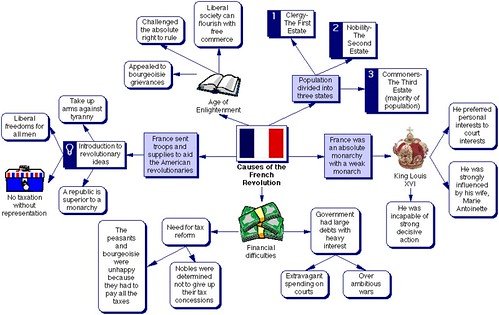
The French Revolution was the result of a combination of political, economic, social, and intellectual factors. These factors had been simmering for years, and when they reached a boiling point, they culminated in a revolt that shook the monarchy and led to the rise of a new political order. The main causes of the French Revolution can be broadly categorized into long-term structural issues and immediate triggers.
1. Political Inequality
At the heart of the French Revolution was a deeply unequal political system. France was an absolute monarchy, with King Louis XVI and his regime holding absolute power. The French monarchy was characterized by lavish spending, while the majority of the population lived in poverty and faced harsh conditions. The French society was divided into three estates:
- The First Estate: The clergy, which constituted about 1% of the population.
- The Second Estate: The nobility, making up around 2% of the population.
- The Third Estate: The common people, which accounted for about 97% of the population. This estate was made up of peasants, urban workers, and the bourgeoisie (middle class). While the clergy and nobility enjoyed privileges such as tax exemptions, the common people bore the brunt of the burden.
The political system was extremely hierarchical, and the Third Estate had very little political power or representation. The nobility and clergy controlled the government, and the king’s decisions were made without the consent of the people. This lack of representation and the concentration of power in the hands of a few fueled resentment and demands for reform.
2. Economic Strain
By the late 18th century, France was in a severe economic crisis. Several factors contributed to this crisis:
- Debt from Wars: France had spent enormous sums of money funding the American Revolution (1775–1783) in support of the American colonies against Great Britain. This, combined with ongoing military expenses, had left France deeply in debt.
- Bad Harvests: Poor weather conditions led to crop failures, which caused widespread famine and skyrocketing bread prices. Bread was a staple food, and the price hike severely affected the peasantry and urban poor.
- Lavish Spending by the Monarchy: King Louis XVI and his court, especially Queen Marie Antoinette, were known for their extravagant lifestyle. The French monarchy spent lavishly on luxuries while the common people struggled to survive. This created a stark contrast between the wealthy elite and the suffering masses.
- Tax System: The French tax system was deeply unfair. The nobility and clergy were exempt from taxes, leaving the burden of taxation on the common people. This created economic frustration and resentment, particularly among the bourgeoisie, who were wealthy but still heavily taxed.
The economic difficulties faced by the common people, combined with widespread unemployment and hunger, created an environment ripe for revolution.
3. Social Inequality and Class Struggles
Social inequality was a pervasive issue in pre-revolutionary France. The French society was structured in a rigid hierarchical system, and social mobility was limited. The Third Estate, particularly the peasants and urban workers, bore the brunt of this system. They had little to no rights and were subject to feudal obligations, such as paying taxes and working on the lands of the nobility. The bourgeoisie, despite being economically successful, were also treated as second-class citizens and had no political power.
This social inequality led to widespread discontent and the desire for change. Many of the bourgeoisie were influenced by Enlightenment ideas of equality, liberty, and fraternity, which emphasized the importance of individual rights and the need for a fairer society.
4. Intellectual Influences
The Enlightenment, a philosophical movement that emphasized reason, individual rights, and the questioning of traditional authority, had a profound impact on the French Revolution. Thinkers such as John Locke, Voltaire, and Jean-Jacques Rousseau challenged the legitimacy of absolute monarchy and the social order that supported it. Their ideas promoted the belief in the natural rights of individuals and the necessity of a government that was accountable to the people.
Rousseau’s “The Social Contract” was particularly influential. Rousseau argued that the legitimacy of government came from the consent of the governed, not divine right or hereditary monarchy. These ideas resonated with the educated bourgeoisie and fueled their desire for political reform.
Key Events of the French Revolution
The French Revolution unfolded in several key phases, each marked by significant events that shaped its course.
1. The Estates-General and the National Assembly (1789)
In 1789, faced with mounting debt and social unrest, King Louis XVI called for the Estates-General, a meeting of representatives from all three estates, to address the financial crisis. The Third Estate, however, felt underrepresented and was frustrated by the lack of reforms. In protest, they proclaimed themselves the National Assembly and vowed to write a new constitution for France.
This marked the beginning of the revolution. The Third Estate, with the support of some members of the clergy and nobility, declared themselves the legitimate government of France, setting the stage for further conflict.
2. The Storming of the Bastille (July 14, 1789)
On July 14, 1789, a mob of Parisians stormed the Bastille, a symbol of royal tyranny and oppression. The fall of the Bastille was a pivotal moment in the revolution, symbolizing the overthrow of the monarchy’s authority. It also marked the beginning of widespread unrest across France.
3. The Reign of Terror (1793–1794)
As the revolution progressed, tensions escalated. In 1793, King Louis XVI was executed, and France became a republic. However, the revolution descended into chaos, and the Reign of Terror ensued. Led by radical revolutionaries like Maximilien Robespierre, the Committee of Public Safety sought to suppress counter-revolutionary activity through violent means. Thousands of perceived enemies of the revolution, including aristocrats and moderates, were executed by guillotine.
4. The Rise of Napoleon Bonaparte (1799)
The revolution eventually gave rise to Napoleon Bonaparte, a military leader who would go on to become the Emperor of France. In 1799, Napoleon staged a coup d’état and seized power, effectively ending the revolution. While Napoleon’s reign brought stability to France, it also marked the end of the revolutionary ideals that had inspired the movement.
Impact of the French Revolution
The French Revolution had a profound impact on France and the world.
1. Abolition of the Monarchy and Rise of the Republic
The revolution led to the abolition of the French monarchy and the establishment of the First French Republic. The king and queen were executed, and the old feudal system was dismantled. This radical change in governance had a lasting impact on France, as it established the principle that power should lie with the people, rather than a monarch.
2. Spread of Revolutionary Ideals
The French Revolution spread the ideas of liberty, equality, and fraternity across Europe and beyond. Revolutionary movements took root in other countries, inspired by the example of the French Revolution. It also led to the rise of nationalism, as people began to identify with the concept of the nation-state rather than the traditional monarchies.
3. Reforms in Law and Society
The revolution brought significant reforms to French law and society. The Declaration of the Rights of Man and of the Citizen in 1789 articulated the fundamental rights of individuals, such as freedom of speech, equality before the law, and the right to property. The revolution also abolished feudal privileges and land redistribution, giving more power to the common people.
4. Napoleon’s Legacy
Although the revolution ended with Napoleon’s rise to power, his rule carried forward some of its key principles. Napoleon spread the ideas of the revolution through his conquests, creating a more modern legal and political system in the territories he controlled. His Napoleonic Code became the foundation for legal systems in many countries around the world.
Conclusion
The French Revolution was a defining moment in world history. It was driven by deep-rooted political, economic, and social inequalities, and its legacy continues to shape modern societies. The revolution introduced the world to the concepts of popular sovereignty, human rights, and democratic governance, which have become pillars of modern political thought. Though it was followed by years of turmoil and the rise of authoritarianism under Napoleon, the French Revolution remains a symbol of the struggle for liberty, equality, and justice.