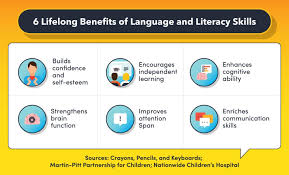

Literacy is one of the most essential skills a child learns during their early education. It forms the foundation for all academic learning and personal development, enabling students to engage with their world, communicate effectively, and gain access to knowledge. Improving literacy in elementary school is crucial, as it impacts students’ reading, writing, speaking, and listening skills. By fostering literacy skills in young learners, we set them up for success not just academically, but also socially and emotionally.
This article explores practical strategies that educators, parents, and communities can implement to improve literacy among elementary school students. These approaches focus on developing a strong literacy foundation through effective reading and writing practices, building vocabulary, fostering a love for reading, and addressing individual learning needs.
- Creating a Print-Rich Environment
A print-rich environment is one where students are constantly exposed to a variety of written materials. This exposure can include books, posters, labels, classroom charts, and written instructions that children encounter throughout their daily activities. This environment is important for children to develop an understanding of how print works—how letters form words, words form sentences, and sentences communicate ideas.
- Classroom Libraries: Having a well-organized, diverse collection of books in the classroom is a powerful way to promote literacy. Books should reflect a variety of genres, topics, and reading levels so that every child finds something that sparks their interest.
- Word Walls: A word wall is a visual display of key vocabulary words and frequently used terms. By making words visible, students are encouraged to interact with them daily, helping to reinforce recognition and understanding.
- Written Instructions: In every classroom activity, educators should include written instructions and visual cues. This reinforces reading comprehension while students follow the steps.
- Phonics and Phonemic Awareness
Phonics instruction is vital in the early stages of literacy development. It helps children understand the relationship between letters and their corresponding sounds, which is foundational for decoding words and reading fluently.
- Phonemic Awareness Activities: Phonemic awareness refers to the ability to hear and manipulate the individual sounds (phonemes) in spoken words. Activities like rhyming, syllable counting, sound segmentation, and blending sounds help children develop this skill.
- Explicit Phonics Instruction: Teaching phonics explicitly allows students to connect letters and sounds in systematic ways. Using resources like flashcards, interactive games, and reading exercises can help children practice sounding out words and understanding spelling rules.
- Interactive Games and Songs: Phonics-based games, like matching sounds to letters or playing sound discrimination games, engage students and make learning fun. Singing phonics songs is another great way to reinforce letter-sound associations.
- Building Vocabulary Through Context
A strong vocabulary is essential for reading comprehension. The more words students know, the better they will understand the texts they read. However, vocabulary development isn’t just about memorizing word lists—it’s about helping students understand how words are used in different contexts.
- Read-Aloud Sessions: Teachers should regularly read aloud to their students, selecting books that introduce new vocabulary. During read-alouds, teachers should pause and explain difficult words, modeling how to use context clues to understand their meanings.
- Context Clues: Teach students how to use context clues—such as surrounding words or pictures—to figure out the meanings of unfamiliar words.
- Word Mapping: Encourage students to learn words by grouping them into categories, such as synonyms, antonyms, or related terms. This approach builds deeper understanding and reinforces connections between words.
- Interactive Vocabulary Journals: Students can maintain a vocabulary journal where they list new words they encounter in books, stories, or discussions. In addition to definitions, students can draw pictures, create sentences, or find synonyms to further engage with the new words.
- Reading Comprehension Strategies
Reading comprehension is an integral part of literacy. Without comprehension, reading is just decoding words without meaning. Therefore, it’s essential to teach students how to actively engage with texts.
- Modeling Think-Alouds: Teachers can model think-aloud strategies while reading. For example, when reading a story, teachers can pause and verbalize their thoughts, asking questions like “What do you think will happen next?” or “How does the character feel right now?” This demonstrates how skilled readers actively interact with the text.
- Questioning Techniques: Encourage students to ask questions before, during, and after reading. Prompt students to consider the plot, characters, setting, and overall message of the text. Use comprehension questions that target both factual recall and deeper analysis.
- Summarization and Retelling: After reading a passage, ask students to summarize it in their own words. This activity reinforces understanding and helps students practice recalling important details.
- Visualization: Encourage students to visualize the events, characters, and settings described in the text. Visualizing helps solidify understanding and enhances memory retention.
- Encouraging Writing Skills
Writing and reading are deeply connected, and strengthening one skill helps develop the other. Encouraging young learners to write regularly enhances their understanding of language structure, grammar, and vocabulary.
- Journaling: Regular journaling is an excellent way for students to practice writing. Teachers can encourage students to write about their daily experiences, favorite books, or imaginary stories. This informal writing fosters creativity while reinforcing literacy skills.
- Writing Prompts: Writing prompts offer a structured way for students to engage in writing. Prompts can range from simple “What did you do today?” to more complex questions like “Describe your dream vacation.”
- Peer Reviews: Allowing students to work together and review each other’s writing encourages collaboration and improves writing skills. Through peer feedback, students learn to express themselves more clearly and understand the importance of revision.
- Writing for Different Purposes: Expose students to various types of writing—narrative, expository, persuasive, and descriptive. This diversity helps them understand how to adapt their writing for different audiences and purposes.
- Fostering a Love of Reading
One of the most effective ways to improve literacy is to foster a genuine love of reading. When children enjoy reading, they are more likely to engage with books independently, which leads to further literacy development.
- Choice in Reading Material: Giving children the freedom to choose what they read makes them feel more invested in their learning. While it’s important to expose them to a wide range of genres, allowing children to select their favorite types of books will encourage them to read more.
- Book Clubs: Organizing small reading groups or book clubs can help children engage with literature in a social setting. This encourages discussion, improves comprehension, and strengthens communication skills.
- Celebrating Reading Milestones: Celebrate reading achievements, whether it’s finishing a certain number of books, mastering a difficult word, or reading for a set amount of time. These positive reinforcements help students see the value in reading.
- Reading at Home: Encourage parents to read with their children at home. This helps establish a reading routine and provides additional exposure to new words and concepts.
- Providing Targeted Support for Struggling Readers
Not every child will develop literacy skills at the same pace. Some students may require extra support to reach their full potential. Differentiated instruction and targeted interventions are essential to ensure that all students can succeed.
- One-on-One Support: Students who are struggling with literacy should receive additional one-on-one support. This could include extra reading sessions, personalized tutoring, or targeted intervention programs.
- Small Group Instruction: In small groups, teachers can provide more focused and personalized instruction tailored to the needs of struggling readers. These groups can work on specific skills such as phonics, fluency, or comprehension.
- Progress Monitoring: Regularly assess students’ literacy progress to identify areas where they need further support. Teachers can use formative assessments, like reading fluency checks or comprehension quizzes, to monitor growth and adjust instruction as needed.
- Involving Parents and Communities
Parental involvement is a key factor in a child’s literacy development. When parents are engaged, children are more likely to develop strong reading and writing habits.
- Parent Workshops: Schools can host workshops for parents to demonstrate how they can support their children’s literacy development at home. These workshops can cover topics like reading strategies, creating a literacy-rich environment, and finding resources for struggling readers.
- Community Partnerships: Partnering with local libraries, bookstores, or literacy organizations can provide students with access to more resources. Schools can also organize book fairs or author visits to create excitement around reading.
- Regular Communication: Teachers should maintain open lines of communication with parents about their child’s progress in literacy. This might include regular updates, conferences, or newsletters that provide tips for reading at home.
Conclusion
Improving literacy in elementary school requires a comprehensive approach that addresses various aspects of reading, writing, vocabulary, and comprehension. By creating a print-rich environment, focusing on phonics and phonemic awareness, building vocabulary, developing reading comprehension strategies, encouraging writing, fostering a love of reading, and providing targeted support, educators and parents can set young learners on a path to literacy success. A strong foundation in literacy not only equips children with the tools they need for academic achievement but also helps them navigate the world with confidence, curiosity, and creativity.