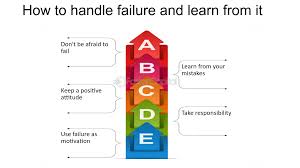

Failure is often perceived as a negative experience, something to be avoided at all costs. But in reality, failure is an inevitable part of life, especially in the pursuit of personal growth and academic success. It’s not the failure itself that shapes our future, but rather how we handle it and the lessons we draw from it. At Study Rhino, we believe that failure should not be feared or ignored, but embraced as an opportunity for self-improvement. In this article, we will discuss how to handle failure and, more importantly, how to learn from it to pave the way for greater success.
1. Understanding the Nature of Failure
Before you can effectively handle failure, it’s essential to understand what failure is and why it happens. Failure doesn’t define you as a person, nor does it determine your future success. In fact, failure is often the result of taking risks, stepping outside your comfort zone, and pushing boundaries. It’s a natural part of the learning process.
Failure can occur for a variety of reasons:
Lack of preparation: Sometimes, despite our best efforts, we may not be fully prepared for a test, project, or situation, leading to failure.
External factors: Uncontrollable circumstances, such as illness or unexpected obstacles, may derail your plans.
Misunderstanding of goals: Failure can happen when expectations are misaligned, or the goals set are unrealistic or unclear.
Lack of persistence: Sometimes, we fail simply because we give up too soon or lose focus.
Understanding failure is the first step in rethinking how you view setbacks. Failure is not the end, but a redirection toward a better way of doing things.
2. Changing Your Mindset Toward Failure
The way you perceive failure has a significant impact on how you respond to it. A fixed mindset, which believes that intelligence and abilities are static, can lead you to view failure as a permanent setback. On the other hand, a growth mindset, which believes that abilities can be developed through effort and learning, encourages resilience and persistence in the face of challenges.
To embrace failure and learn from it, shift your mindset toward a growth-oriented perspective:
See failure as a learning opportunity: Instead of viewing failure as an indication of your inadequacy, see it as an opportunity to learn, grow, and improve. Failure offers valuable feedback about what went wrong and what needs to be done differently next time.
Embrace the process, not just the outcome: Focus on the journey rather than just the final result. Acknowledge the effort, progress, and knowledge gained throughout the process, regardless of the outcome.
Practice self-compassion: Be kind to yourself after experiencing failure. Treat yourself the same way you would treat a friend who is struggling, offering encouragement and understanding.
3. Analyzing What Went Wrong
When faced with failure, it’s easy to become overwhelmed by negative emotions such as disappointment, frustration, or embarrassment. However, to learn from failure, it’s important to take a step back and analyze the situation objectively. This process of reflection can provide valuable insights and help you identify what went wrong.
Here’s how you can analyze your failure:
Reflect on your actions: What steps did you take that led to the failure? Did you prepare adequately, follow through on your commitments, and remain consistent? If not, identify where you could have done better.
Examine external factors: Were there external circumstances that contributed to the failure? For example, if you failed an exam due to illness or personal issues, acknowledge these factors while still recognizing what you can control in the future.
Review your goals: Were your goals clear and achievable? Sometimes, failure results from setting unrealistic expectations. Assess whether your goals were too ambitious or lacked clarity, and adjust them for the future.
Seek feedback: Don’t be afraid to ask others for feedback on what went wrong. Teachers, mentors, or peers can provide constructive criticism that may offer valuable insights and help you avoid making the same mistakes.
4. Embracing Emotional Resilience
Failure can trigger strong emotional responses, such as sadness, anger, or a sense of defeat. These emotions are natural and part of the human experience, but it’s important to recognize that how you manage these feelings can impact your ability to recover and learn from the experience.
Here are a few strategies to build emotional resilience after a failure:
Acknowledge your feelings: Instead of suppressing negative emotions, allow yourself to feel them. This helps you process the experience and move forward in a healthy way.
Reframe your thoughts: Challenge any negative self-talk that arises from failure. For example, if you think, “I’m a failure,” reframe it as, “I failed at this task, but I am capable of doing better next time.”
Practice mindfulness and stress reduction: Engage in activities such as meditation, deep breathing, or physical exercise to help calm your mind and reduce stress. These practices can help you regain focus and emotional balance.
Set small, manageable goals: When facing failure, it can be overwhelming to think about the bigger picture. Break down your goals into smaller, more achievable steps, which will help build momentum and confidence over time.
5. Developing a Plan for Moving Forward
Once you have reflected on your failure and built emotional resilience, it’s time to develop a plan for moving forward. Failure is not a permanent state; it’s a temporary setback that can lead to greater success in the future if approached with the right mindset and actions.
Here are some steps to create an action plan after failure:
Learn from your mistakes: Take the lessons from your analysis and apply them to your next attempt. Whether it’s adjusting your study techniques, seeking additional help, or managing your time better, use your past experiences to improve.
Take small steps toward improvement: Avoid trying to overhaul everything at once. Start by making small changes that are manageable and sustainable. Over time, these small changes will lead to significant improvement.
Set new, realistic goals: Based on what you’ve learned from your failure, set new goals that are more achievable and aligned with your abilities. Make sure these goals are specific, measurable, and time-bound.
Persevere: Success rarely comes easily or immediately. Continue to put in the effort, learn from any future setbacks, and stay committed to your goals. Remember, failure is not the opposite of success; it’s part of the journey to success.
6. Using Failure as Motivation
One of the most powerful ways to handle failure is to use it as a source of motivation. Instead of allowing failure to discourage you, use it to fuel your desire to improve and succeed. Many successful people have faced significant setbacks before achieving their goals. What sets them apart is their ability to persevere and use failure as a stepping stone to greatness.
Turn failure into fuel: Remind yourself of the lessons you’ve learned and use them to stay motivated. Each failure is an opportunity to grow stronger and more resilient.
Stay focused on the bigger picture: Keep your long-term goals in mind, and don’t let temporary setbacks derail your progress. Success is often a marathon, not a sprint.
Celebrate progress: Acknowledge your progress and accomplishments, even if they seem small. Every step forward is a victory, and recognizing this will keep you motivated to keep going.
7. Seeking Support and Guidance
Finally, remember that you don’t have to navigate failure alone. Seeking support and guidance from others can help you process your emotions and develop a plan for moving forward. Whether it’s a mentor, teacher, friend, or family member, having a support system can make the journey of handling failure much easier.
Talk to someone you trust: Sharing your feelings with someone who understands can provide comfort and perspective. Sometimes, just knowing that others have faced similar challenges can make a huge difference.
Seek professional help if needed: If failure is causing you significant emotional distress, don’t hesitate to seek professional help. A counselor or therapist can provide the tools and support you need to work through difficult emotions and build resilience.
Conclusion
Failure is not the end of the road, but rather a stepping stone on the path to success. By changing your mindset, analyzing your mistakes, building emotional resilience, and learning from your failures, you can turn setbacks into opportunities for growth. At Study Rhino, we encourage you to embrace failure as a natural part of the learning process. Remember, failure is not a reflection of your worth; it’s an opportunity to learn, adapt, and ultimately achieve greater success in the future.